
Last updated November 14, 2026
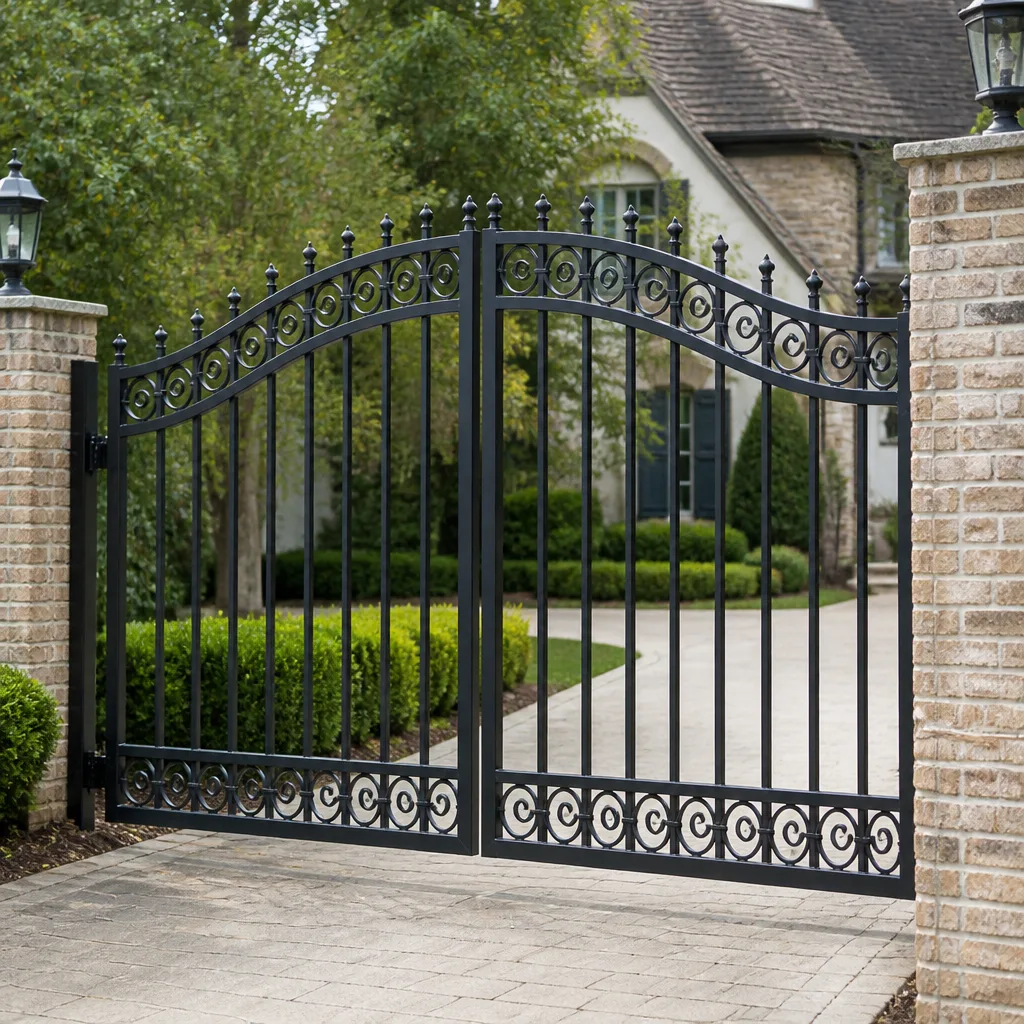 Wrought iron
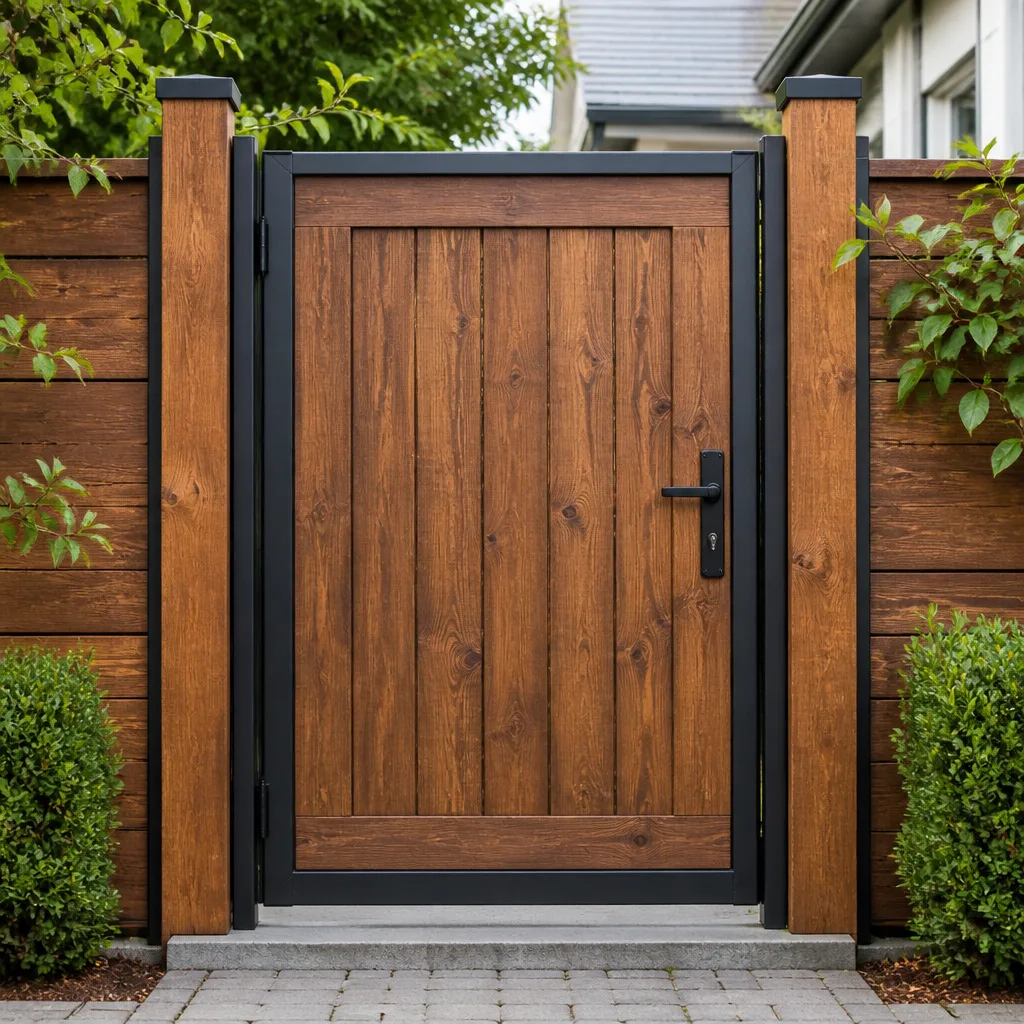 Wood & steel frame
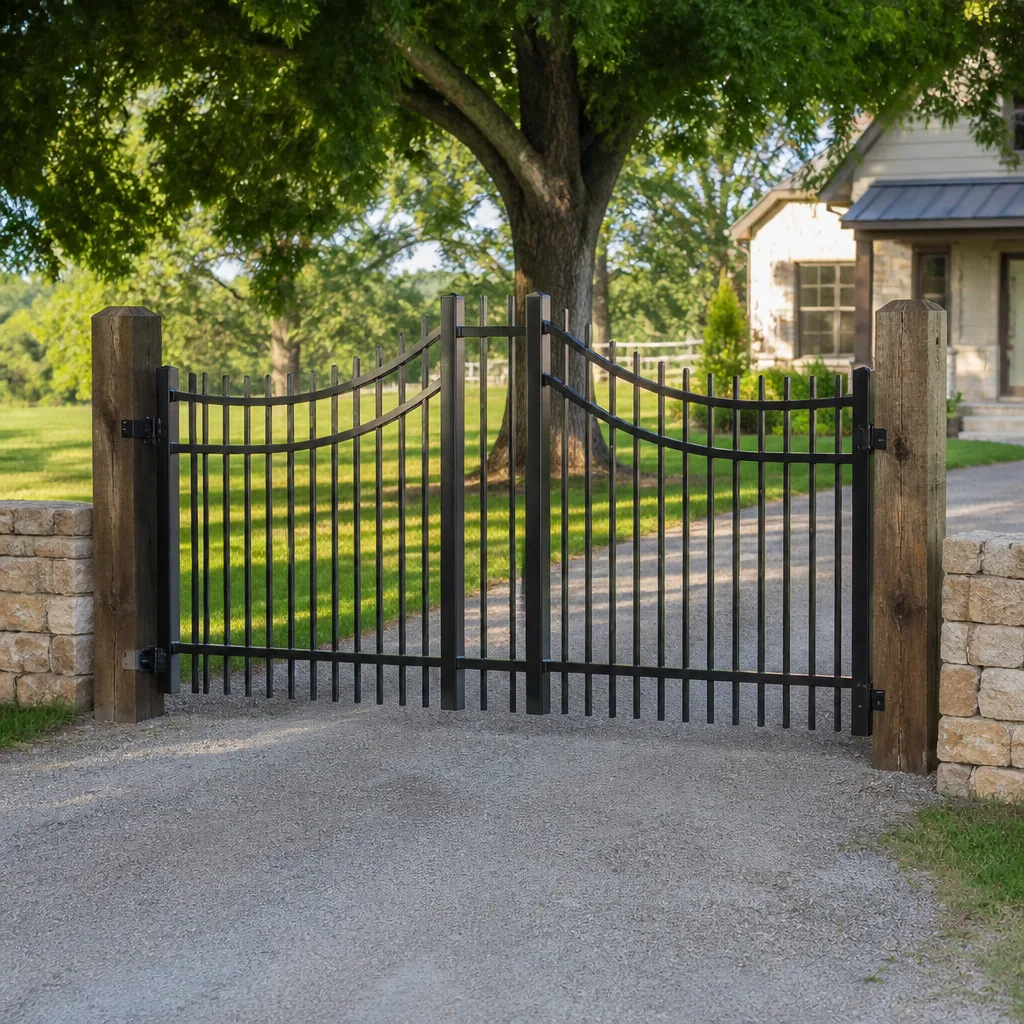 Farm & ranch
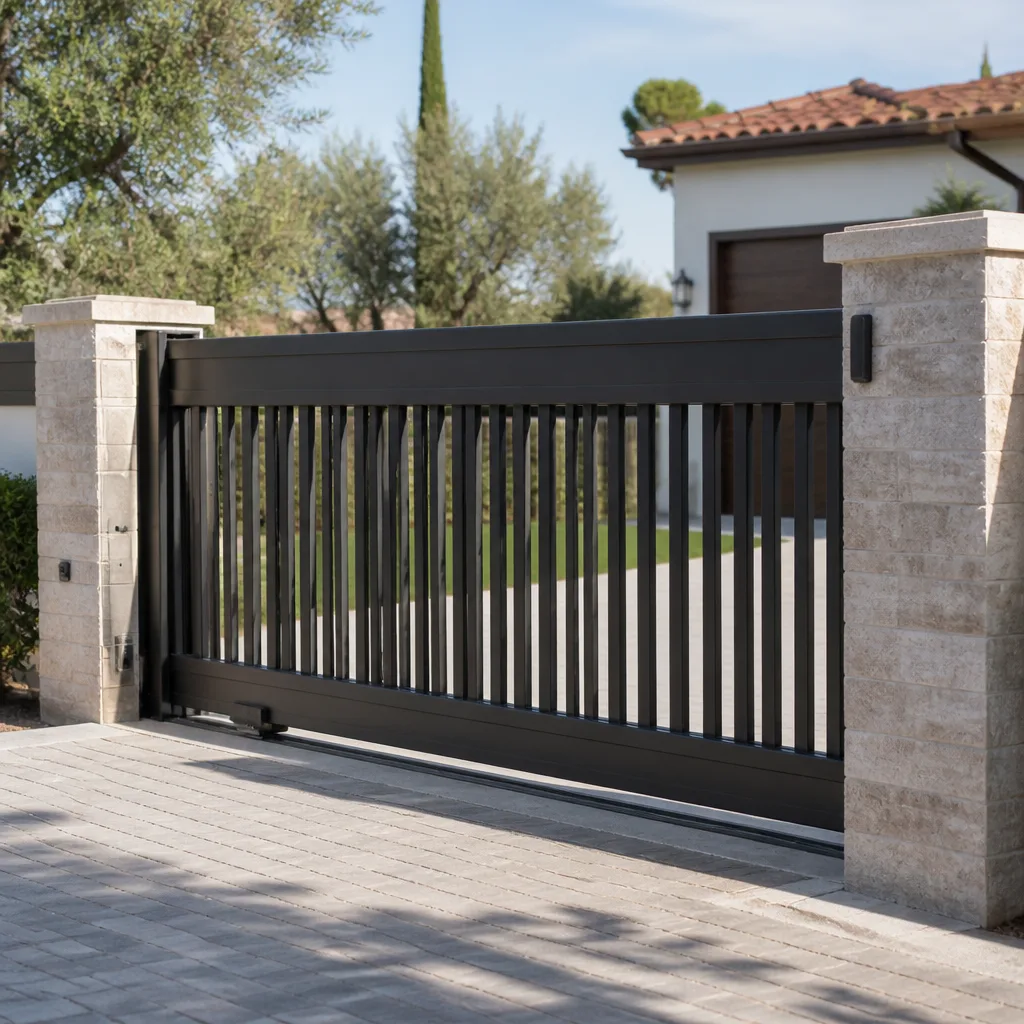 Sliding driveway gates
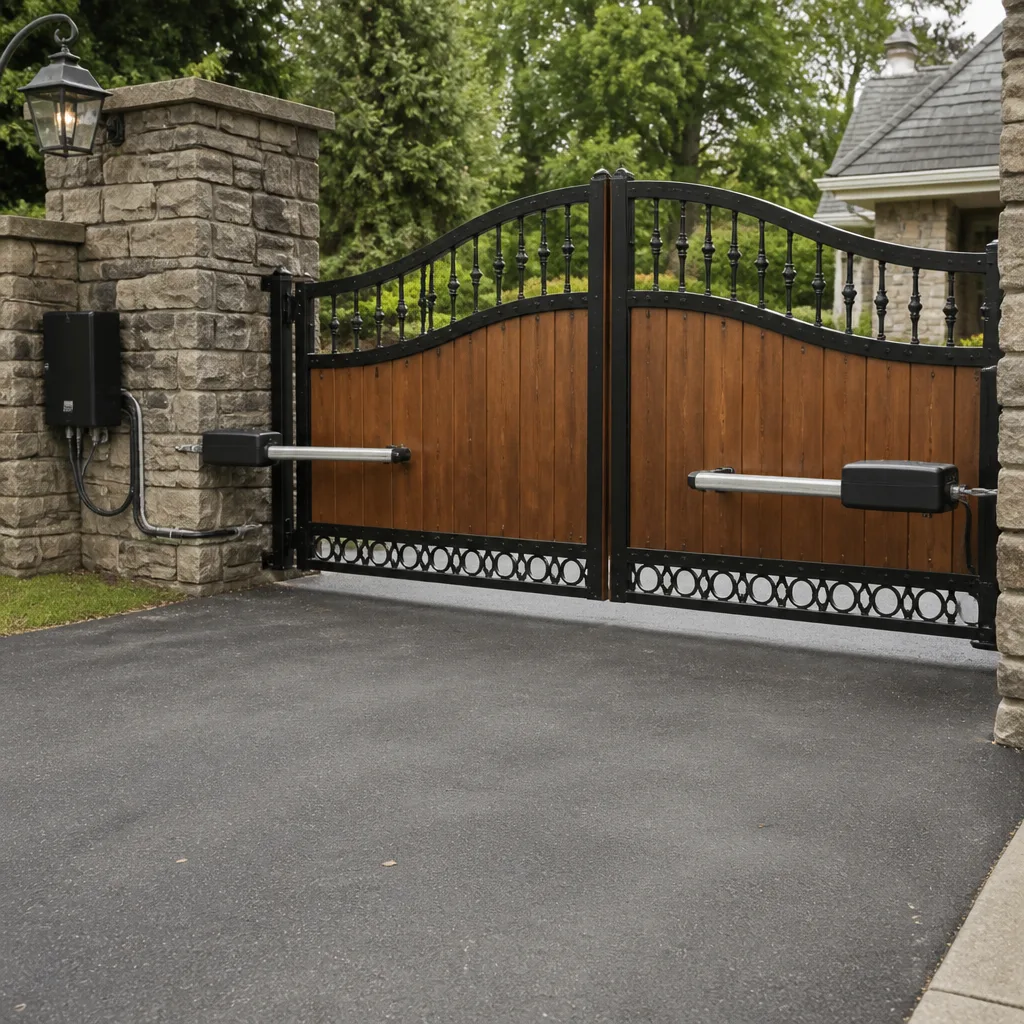 LiftMaster operators
Free on-site gate assessment - hinges, posts, and your LiftMaster or Nice gate operator checked before anything is quoted
The assessment is free and the quote is the invoice.
Get your free estimateSeasonal Gate Repair Care for Centennial: Year-Round Homeowner’s Guide
Most seasonal maintenance guides assume your calendar has four even seasons. Centennial’s doesn’t. We get hard freezes that can arrive before mid-October and then a stretch of 70°F afternoons in January, which means a gate that sailed through the coldest week of the year can start sticking, sagging, or refusing to open in March. The failures cluster at the transitions, not the peaks. This guide walks you through gate care built around Centennial’s real weather inflection points: pre-freeze prep, snow-load differences between gate styles, summer heat and elevation effects on electronics, the spring post-inspection, and why a battery that tests strong in August can die in February. You’ll get checklists, a few things most homeowners never think to look at, and a clear line on when to call.
Quick Answer
In Centennial, gate problems spike during freeze-thaw transitions – typically March and November – when hardware that held fine through a stable cold or warm stretch starts shifting, cracking, or corroding. The core seasonal routine is: prepare moving parts and drainage before the first freeze (often earlier than October 15), clear snow and ice load without forcing the gate, inspect posts, hinges, and the operator after the spring thaw, and check batteries and solar charging at temperature extremes rather than in mild weather. Electric gates need the operator and access control checked alongside the mechanical structure.
Styles & brands we work with
- Wrought iron
- Wood & steel frame
- Farm & ranch
- Sliding driveway gates
- LiftMaster operators
Table of Contents
- Why Gate Failures Cluster at Centennial’s Weather Transitions
- Pre-Freeze Preparation: Beating Centennial’s Early First Freeze
- How Snow and Ice Load Hits Slide, Swing, and Cantilever Gates
- Summer UV and Heat: What 5,800 Feet Does to Gate Electronics
- The Spring Post-Inspection: What Shifts, Cracks, and Corrodes
- Batteries and Solar Panels Across Centennial’s Temperature Range
- Manual vs. Electric Gates: Different Seasonal Priorities
- When Seasonal Care Isn’t Enough
Why Gate Failures Cluster at Centennial’s Weather Transitions
Freeze-thaw cycling is the single biggest driver of gate wear in Centennial, and it does its damage in the shoulder months rather than the dead of winter. A gate that stays frozen solid for a week is, oddly, stable. Metal doesn’t expand much, the ground stays locked, and everything sits in one position. The trouble starts when temperatures swing above and below freezing repeatedly in a short window – late fall and early spring – because every cycle moves the hardware a little and lets moisture back into places it can’t escape from.
What that looks like in practice:
- Footings and posts heave and settle as soil moisture freezes and thaws, which throws a gate out of plumb and makes it drag.
- Hinges and pivot points collect condensation, then freeze, then get forced open by the operator – accelerating wear on bushings.
- Wiring and connectors at low points fill with water from melting snow and refreeze, stressing insulation and terminals.
- Operator lubricant thickens in cold snaps and thins in warm afternoons, so a marginal motor works harder without any obvious symptom.
March and November are when we field the most seasonal gate care calls in Centennial, and the pattern is consistent: nothing was “wrong” during the stable stretch, so nothing got checked.
Pre-Freeze Preparation: Beating Centennial’s Early First Freeze
The first hard freeze around Centennial can land before October 15, so plan your pre-winter work for early October, not late fall. Waiting for a “fall” that arrives on schedule is how homeowners get caught with a gate that won’t latch after a sudden freeze. The work itself isn’t complicated – the trick is timing it before the ground and hardware lock up.
- Clear and test the gate’s full travel. Open and close it by hand (with the operator disengaged) and watch for drag, binding, or a spot where it hesitates. Anything that drags on a mild day will stop the gate once it’s cold.
- Check drainage around footings. Look for low spots where water pools near posts. Standing water that freezes against a footing is what pushes and settles it.
- Lubricate moving parts appropriately. Hinges, rollers, and pivot points on manual and automated gates alike need the lubricant your gate and operator specify. Don’t over-grease – excess attracts grit.
- Inspect seals and gaskets on the operator housing. A cracked seal lets meltwater into the control box, and that’s a spring failure waiting to happen.
- Test the safety devices. Photo eyes, safety edges, and loop detectors need to work before the season that stresses them. A gate that won’t reverse correctly in the cold is a hazard, not a nuisance.
- Photograph or note the current position of everything. Having a reference from fall makes it obvious in spring if a post has shifted or a hinge has opened up.
If your gate is a LiftMaster or an older Mighty Mule, the operator’s manual spells out its own cold-weather limits and lubrication points – follow those over any general advice. And treat the pre-freeze check as the one non-negotiable item on this whole list. Getting it done before the first freeze is worth more than every other seasonal task combined.
How Snow and Ice Load Hits Slide, Swing, and Cantilever Gates
Centennial’s snow is often wet and heavy rather than light and dry, and that matters because wet snow loads differently across gate styles. The short version: slide gates feel it in the track, swing gates feel it in the hinges and operator, and cantilever gates are the most vulnerable overall because they carry their load on a counterbalance with no track or ground support to share it.
- Slide gates. Snow and ice pack into the track and under the gate, and a heavy load on the rail can stall the motor or cause the gate to jump the track. The gate itself often handles the snow weight; it’s the track and the operator that suffer. Keep the travel path clear.
- Swing gates. Wet snow sits on the gate panels and loads the hinges and the operator arm. A swing gate with a light-duty operator working against a snow-loaded panel is where we see motor strain and hinge wear. Don’t force a swing gate through a snow drift – clear the arc first.
- Cantilever gates. These are the most vulnerable to Centennial’s wet, heavy snow. The counterbalance and roller assembly are engineered for the gate’s own weight, and adding a snow load on the far end puts stress on the whole structure. A cantilever gate carrying snow is also more likely to sag at the unsupported end, which affects alignment and travel.
A few rules for snow and ice, regardless of style. Never chip ice off a gate with a metal tool – you’ll score the finish and nick the operator’s seals. Never force a frozen gate open or closed by hand or with the operator; let it thaw or clear it gently. And keep the area under and around automated gates clear so the safety devices can see and the gate can move through its full travel.
Summer UV and Heat: What 5,800 Feet Does to Gate Electronics
Centennial sits at roughly 5,800 feet, and thin air and intense sun change how gate electronics age. UV exposure is stronger at elevation, so anything rubber, plastic, or painted takes more of a beating than the same equipment would at sea level. Heat matters too, but not just air temperature – the inside of a control box sitting in direct sun gets far hotter than the ambient reading.
Where summer does its damage:
- Control boards. Heat is the enemy of capacitors and solder joints. A board in a sun-baked enclosure ages faster, and the failures often show up months later in cold weather, which is why summer problems get misdiagnosed as winter problems.
- Rubber seals and gaskets. UV degrades seals on operator housings, safety edges, and photo-eye lenses. A seal that goes brittle in summer lets water in during the fall, and that water freezes in winter.
- Wiring insulation. Sun exposure on exposed runs and connectors cracks insulation. Combine that with elevation’s stronger UV and you get failures at connections that look fine until the gate stops.
- Paint and finish. Faded or chalky finish is cosmetic, but checking for it is a good excuse to look for rust starting on welds and hardware.
Summer is also the best time to check the operator’s ventilation and shade. If your control box sits in full afternoon sun, that’s a real factor in board life. A LiftMaster or FAAC operator installed in a shaded spot will age more slowly than the same unit in direct sun, and there’s not much you can do about placement after install – but you can keep the enclosure clean, clear of debris, and sealed.
The Spring Post-Inspection: What Shifts, Cracks, and Corrodes
Once the freeze-thaw season winds down, do a full inspection before you trust the gate through another year. This is where you catch the damage the transitions caused while it’s still cheap to fix. The spring inspection is less about cleaning and more about looking for movement.
- Check posts for plumb and footing movement. Look for cracks in the concrete footings, exposed or heaved soil, and gaps at the base of posts. A gate that was square in fall and isn’t in spring means the footing moved.
- Look for cracks and corrosion. Inspect welds, hinge plates, and hardware for rust and stress cracks. Freeze-thaw cycles open up small cracks into big ones, and corrosion starts in the tight spots.
- Test the gate’s swing or travel. Open it by hand and feel for binding, rubbing, or a change in effort. Any change from your fall reference is a signal.
- Inspect the operator and its connections. Look at the motor mounts, check the wiring at the control box for moisture or corrosion, and verify the safety devices still function.
- Check alignment on slide and cantilever gates. Look at the track, rollers, and guides for wear, and confirm the gate runs true end to end without riding up.
Corrosion in Centennial is mostly a moisture story, not a salt story – water in tight joints and trapped against hardware. So pay particular attention to the insides of hinges, the base of posts, and any spot where snow sat against the gate all winter. If you find a cracked footing or a post that’s clearly moved, that’s a structural issue, not a lubrication issue, and it’s worth getting a professional eye on it before it gets worse.
Batteries and Solar Panels Across Centennial’s Temperature Range
A battery that tests fine in August can fail in February, and that surprises people. Battery capacity drops as temperature falls, so a battery with only marginal reserve is fine in warm weather and can’t deliver enough cold-cranking current to move the gate on a cold morning. Add in the fact that batteries also age faster in summer heat, and you get a unit that’s weaker in winter than its summer test suggested.
Here’s the practical way to think about it:
- Test under load, not just voltage. A resting voltage reading in mild weather tells you very little. The relevant question is whether the battery can start and run the operator when it’s cold.
- Expect shorter reserve in cold snaps. If your gate runs on battery backup or solar, plan for less runtime in the coldest stretches, and check the battery before the first freeze rather than after a failure.
- Keep solar panels clear. Snow covering a solar panel means no charging, and a battery that’s already marginal won’t recover enough during short winter days. Keep panels clear of snow and debris.
- Check the charger or solar controller. Heat in summer ages charge controllers too. Verify the controller is charging correctly in summer so the battery is healthy by winter.
Many automated gates run off mains power with battery backup, while some – a Mighty Mule or a solar-configured Elite setup, for example – rely more heavily on the battery and panel. Know which kind you have. It changes how much winter margin you actually have and how early you should test.
Manual vs. Electric Gates: Different Seasonal Priorities
Manual gates and automated gates share the structural side of seasonal care, but the operator changes what you prioritize. Manual gates fail mostly mechanically: hinges, latches, posts, and alignment. Automated gates fail in those same places plus the electronics, and an electronic problem often shows up as a mechanical symptom – a gate that “drags” might have a motor in trouble rather than a bad hinge.
For a manual gate, the seasonal list is shorter: check hinges and latches, keep the swing or slide path clear, watch the posts for movement, and lubricate appropriately. That’s about it. For an automated gate, add the operator, the safety devices, the wiring, and the battery or power source. That’s a bigger checklist, and it’s the reason electric gate repair is its own discipline – diagnosing an operator problem takes different knowledge than diagnosing a bent hinge.
One more distinction: cantilever and slide gates have their own seasonal priorities (counterbalance, track, rollers) that don’t apply to a swing gate, and vice versa. Don’t apply a generic checklist to an automatic gate expecting it to cover everything. The safest approach is to match the seasonal routine to the gate style and its operator, whether that’s a LiftMaster or a FAAC unit, and to take the operator’s own manual as the authority where the two overlap.
When Seasonal Care Isn’t Enough
Seasonal maintenance catches most things, but some problems are past the point of a homeowner checklist. Call a professional if a post has clearly moved or a footing is cracked, if the gate binds or drags even after you’ve cleared and lubricated it, if the operator strains or stops mid-travel, if any safety device fails to reverse the gate, or if wiring or connectors show moisture or corrosion damage. Those are the cases where the fix requires diagnosis and sometimes structural work, not another round of lubrication. If your gate is electric and the operator or access control is the issue, that’s squarely in our wheelhouse – we work exclusively on gates, from a bent hinge to a failed motor board, across LiftMaster, FAAC, Viking, and more brands than most generalists touch. Gate Repair Centennial offers free estimates in Centennial – call (866) 361-9624.
See the difference
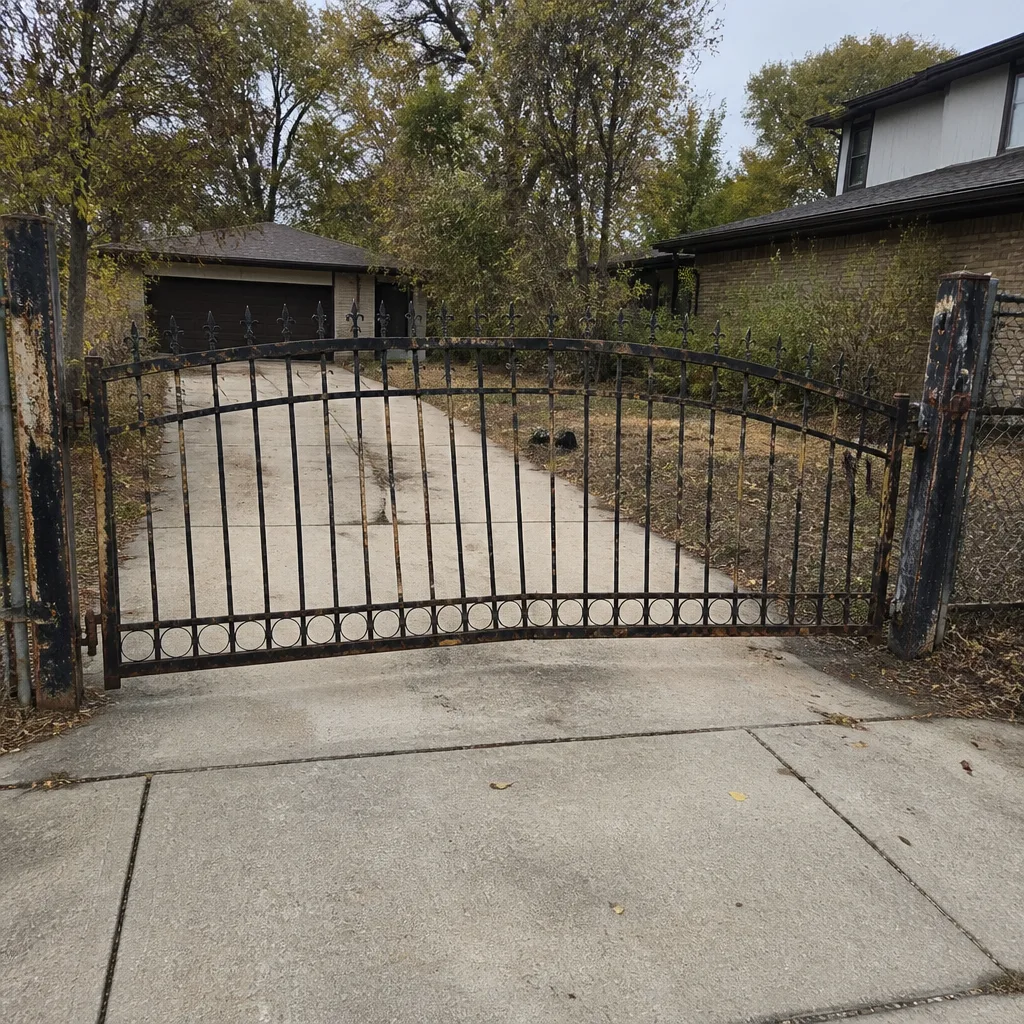 Before
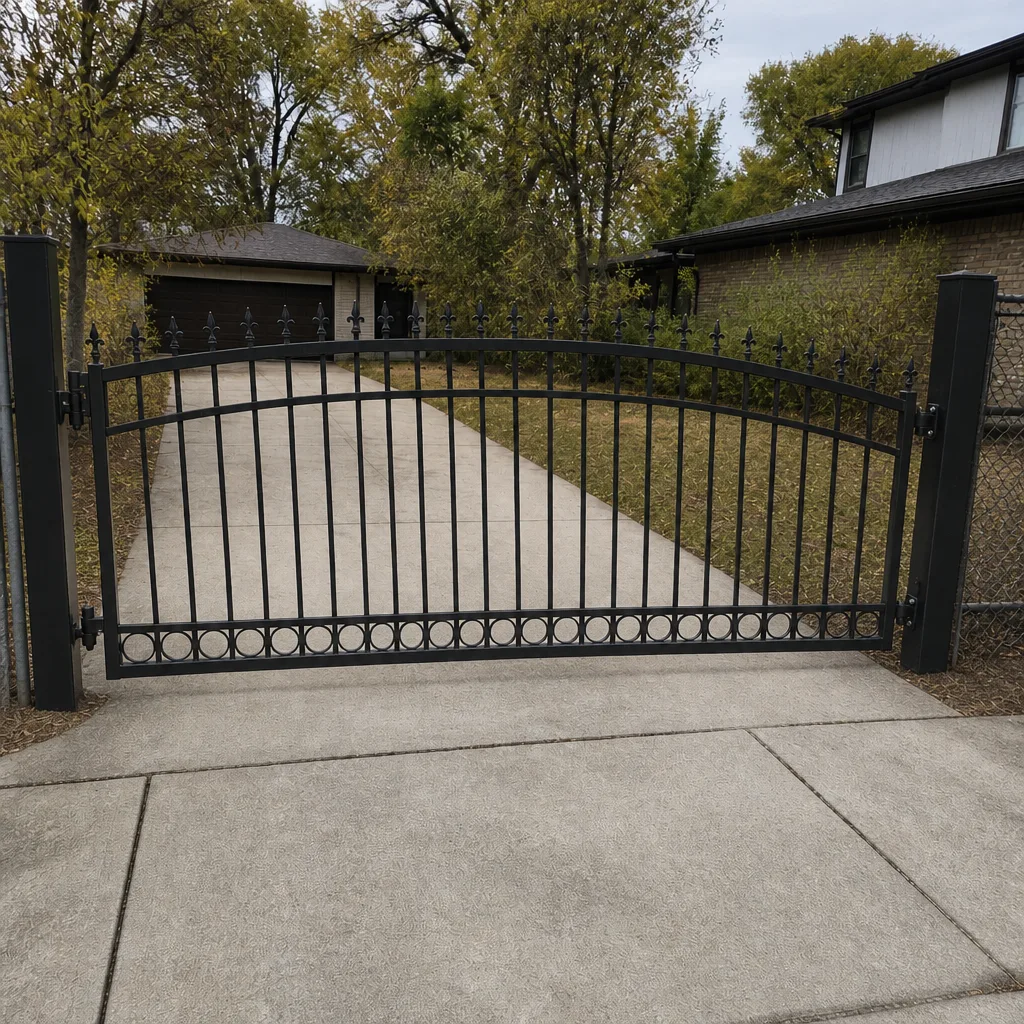 After
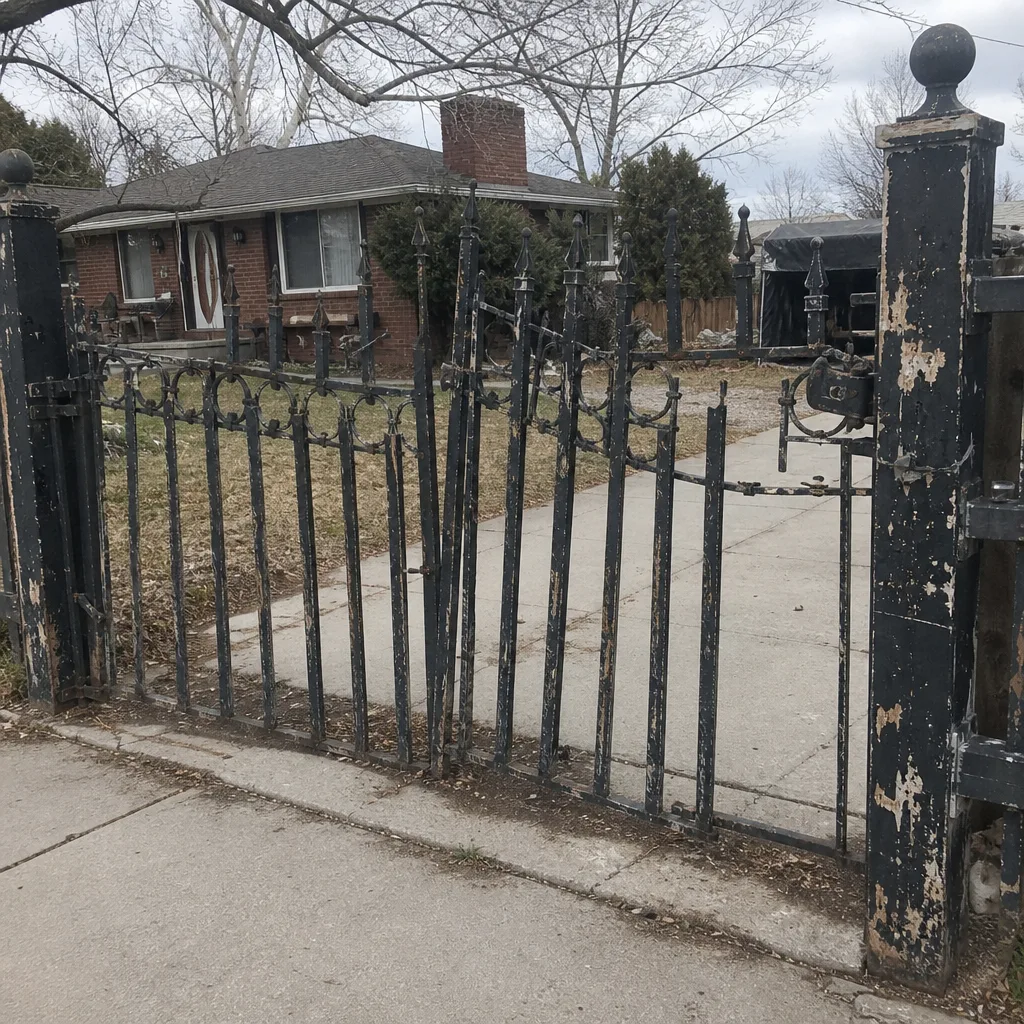
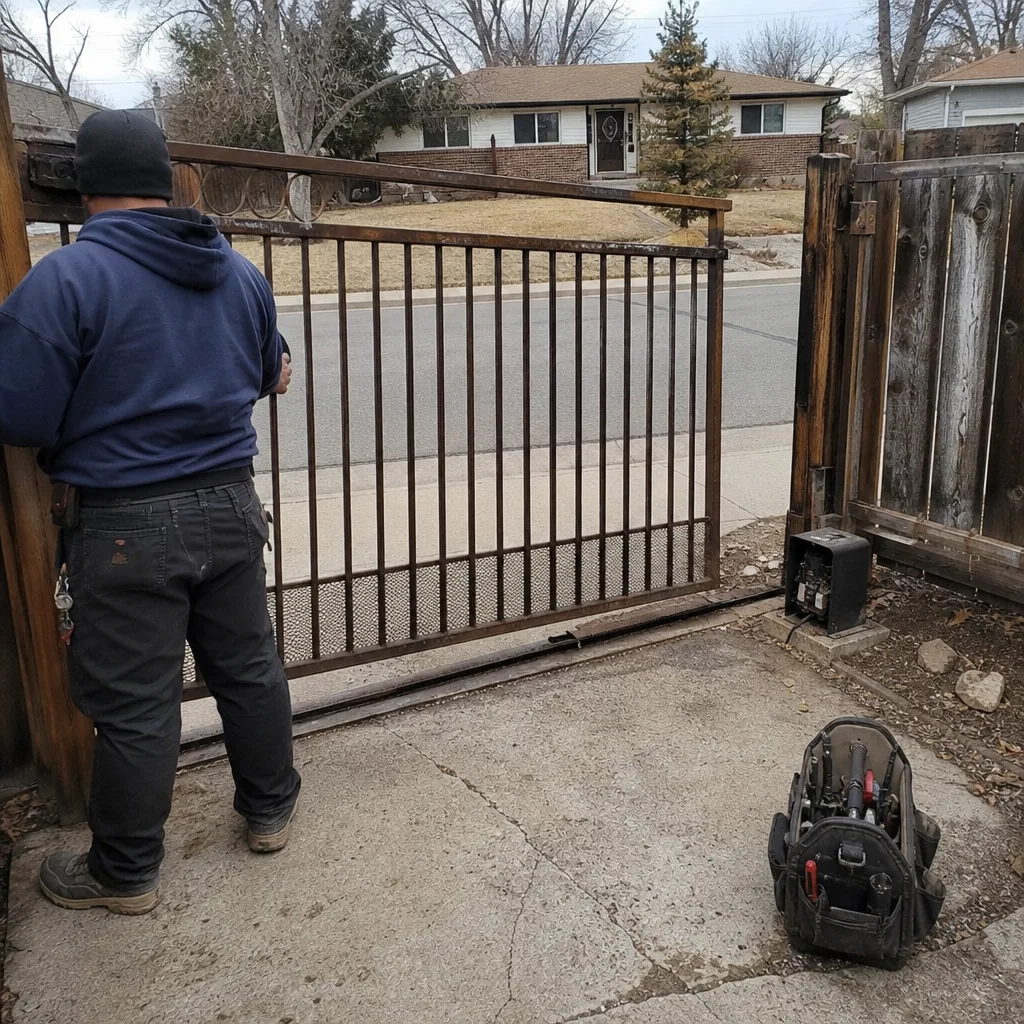 Before
 After
 Before
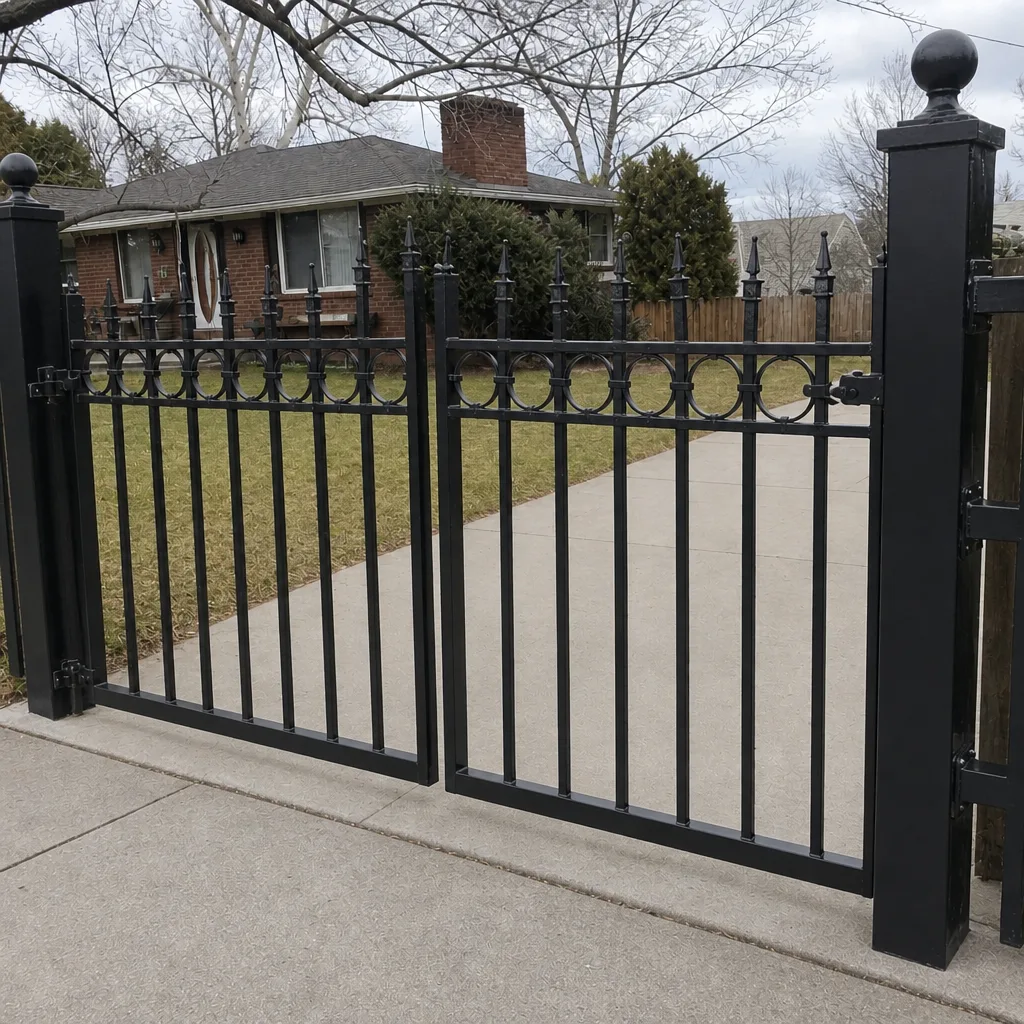 After
Frequently Asked Questions
Prepare in early October, because the first hard freeze around Centennial often arrives before October 15. Clear and test the gate’s travel, check drainage around footings, lubricate moving parts, and test safety devices before that first freeze rather than waiting for a later “fall.” If you’ve missed the window, don’t force a frozen gate – call (866) 361-9624 for a free estimate.
March failures are almost always freeze-thaw damage. Repeated cycles above and below freezing move footings, crack hardware, and let water into joints that a stable cold stretch never disturbed. The gate held fine in January because the ground was locked; the transition is what broke things. A spring post-inspection catches this early – call (866) 361-9624 to schedule one.
Cantilever gates are the most vulnerable to Centennial’s wet, heavy snow. They carry their load on a counterbalance with no track or ground support sharing it, so added snow weight stresses the structure and can cause the unsupported end to sag. Slide gates suffer in the track, and swing gates load their hinges and operator. Keep the travel path clear on all styles and call (866) 361-9624 if a gate has stalled under snow load.
Battery capacity drops as temperature falls, so a marginal battery is fine in August and can’t deliver enough current to move the gate on a cold February morning. Summer heat also ages batteries faster than many people realize. Test the battery under load before the first freeze – call (866) 361-9624 for a free estimate if your gate is stalling in cold weather.
Yes. At roughly 5,800 feet, UV exposure is stronger, so rubber seals, wiring insulation, and painted surfaces age faster. Heat inside a sun-baked control enclosure also wears on control boards and capacitors. The practical response is to check seals, insulation, and the controller in summer, not winter, and to keep the enclosure clean and shaded. Call (866) 361-9624 if your operator is acting up.
Yes. We work on electric and automated gates from LiftMaster, FAAC, BFT, Linear, Viking, Ghost Controls, DoorKing, Elite, and Mighty Mule, and we don’t tell a customer their brand is “unsupported.” From a bent hinge to a failed motor board, we diagnose and repair it. Call (866) 361-9624 for a free estimate.
Common Mistakes to Avoid
- Waiting for a “fall” that arrives on schedule. Centennial’s first freeze can beat October 15, so late-October prep often comes after the gate has already locked up. Do the pre-winter work in early October.
- Forcing a frozen gate. Using the operator or a shovel to break a gate loose loads hinges and the motor beyond design and causes damage the thaw won’t fix. Clear the path gently or wait for it to thaw.
- Chiping ice with metal tools. A metal scraper scores the finish and nicks operator seals, which lets water in later. Use a plastic tool at most.
- Treating the spring inspection as optional. The post-thaw inspection catches footing movement, cracks, and corrosion before they become structural. Skipping it is how a small shift becomes a gate replacement.
- Judging a battery by a summer voltage test. A resting voltage check in August says nothing about cold-weather performance. Test under load before the freeze.
- Assuming all gate styles need the same seasonal routine. Cantilever, slide, and swing gates have different vulnerabilities, and automated gates need operator and safety checks a manual gate doesn’t. Match the routine to the gate.
- Overlooking the wiring after a wet winter. Low-point connectors and control-box terminals are where meltwater collects and refreezes. Check them in spring, not just the mechanical parts.
The Bottom Line
Centennial doesn’t give your gate four even seasons, so build your care around its actual inflection points instead. Prepare before the first freeze (often earlier than October 15), clear snow and ice load without forcing the gate – especially a cantilever gate – and inspect posts, hinges, operator, and wiring after the spring thaw. Check batteries and solar under load before the cold, and keep summer eyes on seals, insulation, and control boxes because that’s where winter problems start. Most of this is a homeowner checklist. The rest is a call. Gate Repair Centennial handles gate repair, electric gate repair, and full gate installation – we’re a gate-only specialist, not a general contractor that handles gates on the side, and our technicians are fluent in motor, operator, and access-control diagnostics. If your gate is in Centennial and won’t behave at the transitions, or you’re ready for a new one, reach out. For more on Gate Repair Centennial, call (866) 361-9624 for a free estimate. We answer 24/7, with fast dispatch from 7am to 7pm, Sunday through Friday.
Written by the team at Gate Repair Centennial, serving Centennial since 2014.