
Last updated November 14, 2026
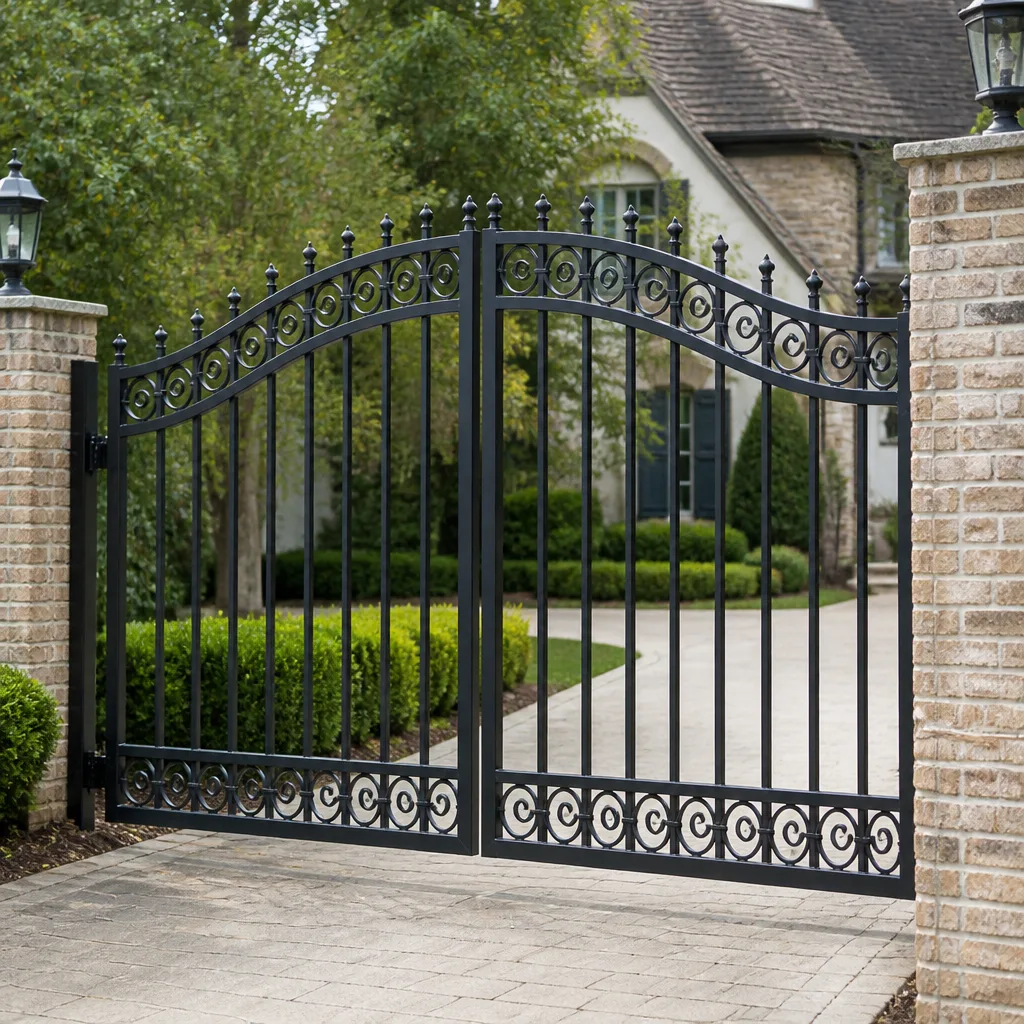 Wrought iron
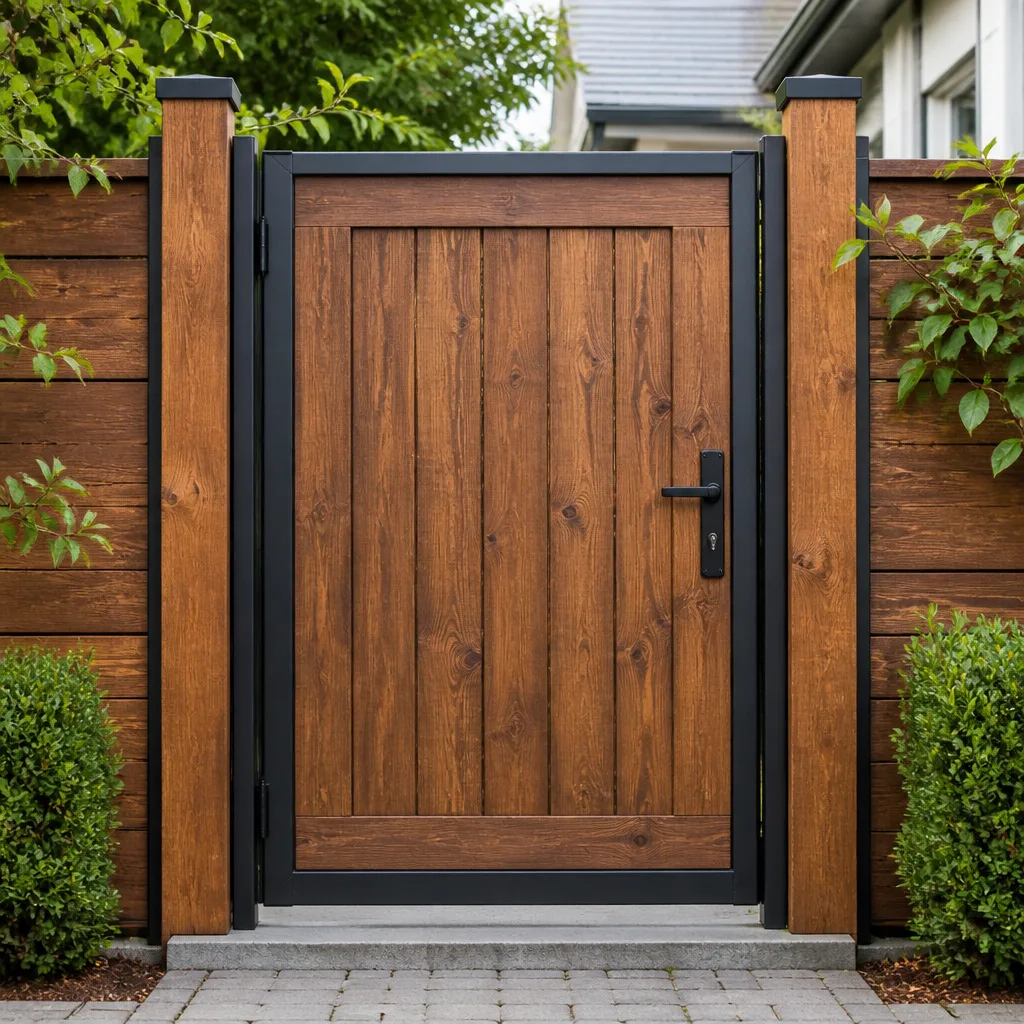 Wood & steel frame
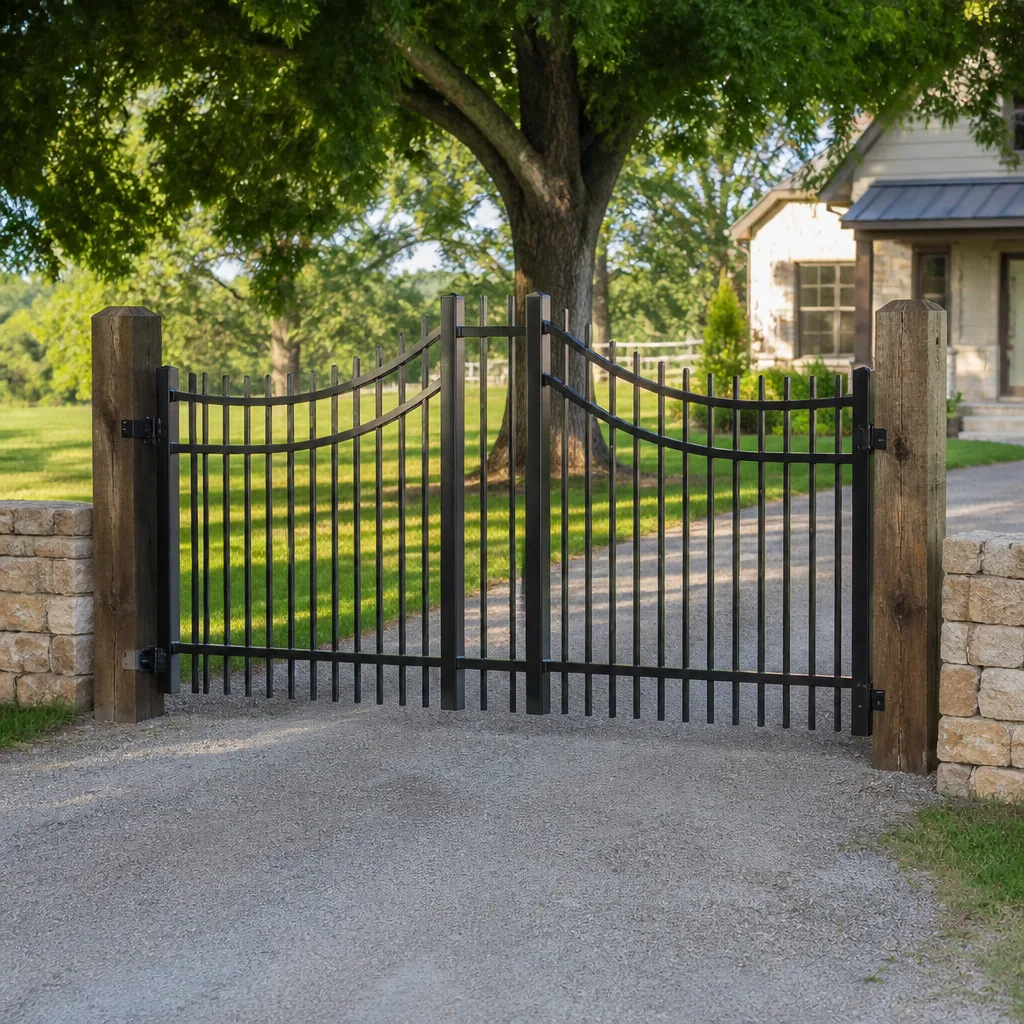 Farm & ranch
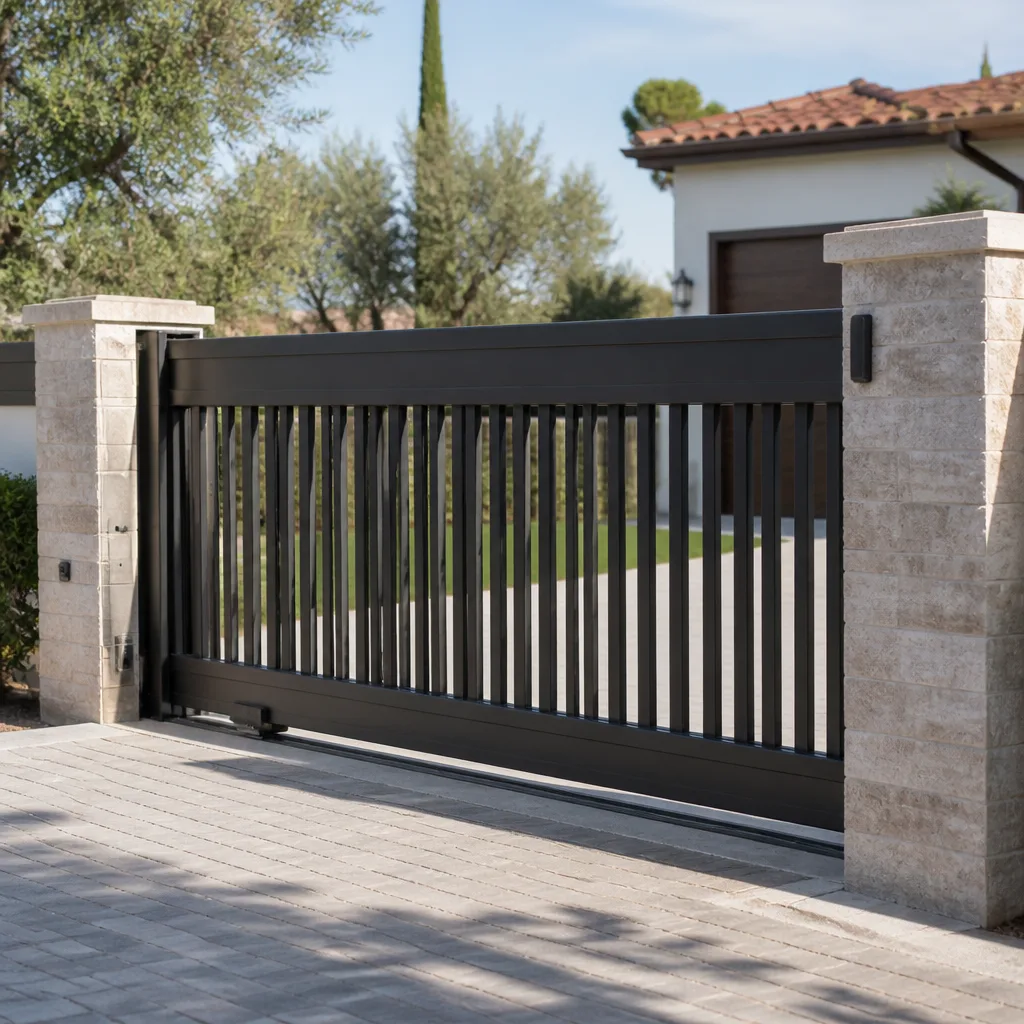 Sliding driveway gates
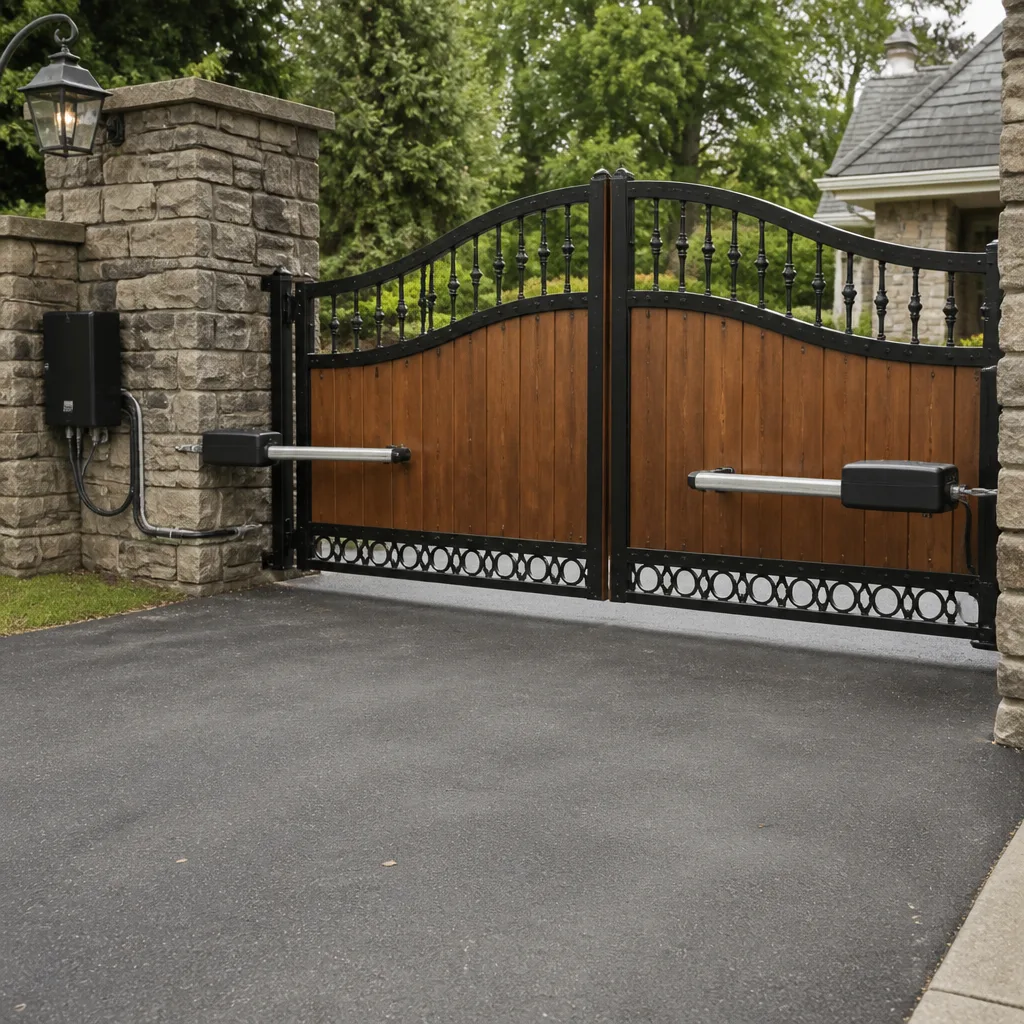 LiftMaster operators
Free on-site gate assessment - hinges, posts, and your LiftMaster or Nice gate operator checked before anything is quoted
The assessment is free and the quote is the invoice.
Get your free estimateDIY vs Professional Gate Repair: The Centennial Homeowner’s Decision Guide
Replacing a gate hinge yourself is straightforward. Adjusting your gate operator’s safety reversal force yourself can leave the gate out of compliance with UL 325, and that distinction matters the moment a child is injured. That’s the part most DIY advice skips: the line between “I can handle this” and “I shouldn’t” isn’t really about your skill with a wrench. It’s about whether the problem is mechanical and static or electrical and dynamic. In this guide, we’ll walk through exactly which gate repairs are safe to do yourself, which ones carry real liability, what the tools actually cost compared to a service call, and how a botched fix can snowball into a full operator replacement. If you own a gate in Centennial, this is the breakdown you’ve been looking for.
Quick Answer
The DIY vs professional question comes down to the type of failure. Mechanical issues on a manual or automated gate – worn hinges, a sagging frame, loose latches, minor wood repair, lubrication – are reasonable DIY territory for a careful homeowner with the right tools. Anything involving the operator, motor, wiring, safety sensors, or control board belongs with a trained gate technician, because automated gate adjustments carry UL 325 compliance requirements and injury liability that a homeowner can’t safely assume alone.
Styles & brands we work with
- Wrought iron
- Wood & steel frame
- Farm & ranch
- Sliding driveway gates
- LiftMaster operators
Table of Contents
- Why the Mechanical vs Electrical Divide Is the Real Question
- What’s Actually DIY-Safe on a Gate (and What Isn’t)
- The UL 325 Problem: Why Automated Adjustments Are a Liability Issue
- The Tools You’d Need, and What They Cost vs One Service Call
- When DIY Goes Wrong: The Road from a $20 Part to an Operator Replacement
- Insurance and Liability: What Your Policy May Not Cover
- Centennial-Specific Considerations
- When to Call a Professional
Why the Mechanical vs Electrical Divide Is the Real Question
Most DIY gate advice treats “gate repair” as one category. It isn’t. A manual gate and an automated gate have almost nothing in common once the operator enters the picture. A manual gate is a mechanical object: hinges wear, frames sag, latches loosen. An automated gate is a mechanical object plus a motor, a control board, safety sensors, and wiring – all governed by safety standards that a manual gate never touches.
A manual gate can’t close on someone with enough force to trap them. An automated gate can. That difference drives everything about whether a repair is reasonable to attempt yourself.
Here’s the practical split we use when a customer calls us in Centennial with a gate that stopped working:
- Mechanical, static problems: hinges, latches, frame alignment, post settling, rust, wood rot, physical binding. These are visible, testable, and reversible if you get them wrong.
- Electrical, dynamic problems: motor failure, operator error codes, safety sensor misalignment, control board faults, wiring issues, limit switch drift, force calibration. These are invisible, non-linear, and a wrong adjustment can create a safety hazard the gate won’t warn you about.
If your gate doesn’t have an operator, most of the repairs on it fall into the first bucket. Once the operator exists, the second bucket opens up and stays open for the life of the gate. The decision isn’t “am I handy” – it’s “is the mechanism I’m touching governed by a safety standard.”
For a manual gate, the answer is usually no. For an automated one, it’s yes. That’s the fork in the road, and every section that follows comes back to it.
What’s Actually DIY-Safe on a Gate (and What Isn’t)
Below is the definitive list we hand to homeowners who ask us in Centennial whether they should attempt a repair themselves. It applies to both manual and automated gates – the mechanical items don’t change just because the gate has a motor.
Genuinely DIY-safe
- Hinge replacement. A worn or seized hinge is a bolt-off, bolt-on job. Match the hinge size and swing direction and it’s done in twenty minutes.
- Lubrication. Hinges, latches, and the pivot points on swing gates benefit from a proper lubricant every few months. On slide gates, the roller track gets the same treatment.
- Minor wood repair. Filling a small crack, tightening a loose board, or sealing a weathered edge is well within reach.
- Latch and catch adjustments. If a manual gate won’t latch, the catch is usually a few millimeter of alignment – a screwdriver and five minutes will reset it.
- Clearing debris. Gravel in the slide track, leaves in the hinge gap, and vegetation growing against the gate cause more “stuck” gates than any mechanical failure.
- Tightening visible bolts. Loose fasteners on the frame are a legitimate homeowner fix. Just don’t tighten anything attached to the operator or the safety sensors.
Not DIY-safe – call a trained technician
- Any adjustment to the operator. Force, speed, reversal sensitivity, and limit positions all affect safety behavior.
- Wiring and power. The line voltage side of an operator should never be touched without a technician on site.
- Safety sensor alignment and testing. Photoelectric sensors and edge sensors must be tested to standard, not just “moved until the gate stops.”
- Control board or motor replacement. Board-level diagnostics on a LiftMaster, FAAC, or BFT unit requires specific knowledge of that series.
- Track realignment on a slide gate. A gate that’s come off its track carries a crushing risk – a trained eye is required to diagnose whether the track, posts, or gate body warped.
- Post replacement or re-setting. Footing depth, plumb, and alignment to the operator arm all need to be right on the first pass, or the operator will fight the gate forever.
If your situation falls into the second list, you’re in the right place to look at gate repair options that don’t leave you guessing.
The UL 325 Problem: Why Automated Adjustments Are a Liability Issue
UL 325 is the safety standard that governs automated gate operators in the US. It addresses entrapment protection, force limits, and the requirement for safety devices that stop a gate when something or someone is in its path. You don’t need to memorize it. You do need to understand what it means for a homeowner adjusting an operator.
When an operator’s force setting is increased – because the gate “seemed sluggish” or because a sagging hinge made it bind – the gate may still close, but it will close harder. The safety reversal feature that’s supposed to stop the gate when it meets resistance can be configured, by that same adjustment, to push through resistance instead. If a child is in the path, the gate is now a hazard. That’s a liability question, not just a competence question.
What UL 325 compliance requires on the service side, and what a homeowner attempting DIY adjustments typically skips:
- Force calibration. Operators from LiftMaster, FAAC, Linear, and every other major brand have specified force settings tied to the gate’s weight and dimensions. Increasing force above spec is what makes the gate dangerous.
- Safety device testing. Photoelectric sensors and gate edges have to be tested to confirm they actually reverse the gate when triggered – not just that they’re powered and aligned.
- Documentation. The safety device, operator, and installation together form the compliant system. When a technician adjusts your operator, they leave you knowing what was changed and why.
- Entrapment testing. Each operator’s manual specifies the entrapment test procedure. Skipping it, or assuming the gate passed because it closed normally once, is how non-compliant gates end up in service.
We work exclusively on gates – it’s the only thing we do – and this is the reason our electric gate repair calls start with a full safety review of the operator, not just the fault code. The motor isn’t the only thing that matters.
The Tools You’d Need, and What They Cost vs One Service Call
Serious DIY gate work requires more than a socket set. Before you commit to a self-repair, look at what a legitimate job actually demands – and compare that to what one service call costs in the Centennial market.
Here’s the tool list we’d expect a homeowner to own if they’re serious about their own gate maintenance:
- Socket and wrench set (metric and standard) – hinges and brackets rarely match sizes across a single gate.
- Torque wrench – operator brackets and post anchors specify torque. A bare ratchet won’t cut it.
- Multimeter – checking voltage at the operator, testing sensor continuity, identifying a bad control board connection.
- Digital level – post plumb and gate square need more than a bubble level on a long span.
- Angle grinder – rusted bolts, seized hinges, and old welds that need to be cut to replace a bracket.
- Post hole digger or auger – if the diagnosis is a settled or leaning post, the fix is a new footing.
- Fasteners and hardware – a well-stocked bin saves multiple hardware store trips.
- PPE – eye protection, gloves, and something high-visibility if the gate is near a driveway or street.
Assembling this list from scratch runs into hundreds of dollars at retail. If you’re the type of homeowner who already owns most of it, DIY becomes more reasonable. If you’d be buying the torque wrench and the grinder for this one job, the math tilts hard toward a professional visit – and the professional visit comes with the diagnostic knowledge you can’t buy in a tool aisle.
For a Centennial homeowner facing a mechanical repair, a service call is a known number, per job, quoted and agreed before any work starts. Compare that to buying three tools you’ll use once, plus an evening of your time, plus the chance you misdiagnose the problem and have to call anyway. If you’re ready to skip to the call, our team at Gate Repair Centennial can quote it in a few minutes.
When DIY Goes Wrong: The Road from a $20 Part to an Operator Replacement
The most expensive gate repair we see isn’t the one that fails completely. It’s the one that almost works. Here’s the pattern that turns a small DIY fix into a full operator replacement – and it happens often enough that we’ve written it down step by step.
- The gate starts binding. A sagging hinge or a slightly misaligned post makes the gate harder to move. The correct fix is the hinge or the post.
- The homeowner compensates in the wrong place. Rather than fix the mechanical cause, the operator’s force gets turned up because “the gate needs more power.”
- The operator compensates. The motor now pushes through the binding. It works for a while, but every cycle stresses the gearbox, the motor, and the control board harder than designed.
- A safety fault appears. The operator starts reversing mid-travel, or the safety sensors report an obstruction that isn’t there. Sometimes the board logs an error the homeowner can’t interpret without the service manual.
- A second DIY attempt is made. Force gets turned up again, or the sensor gets bypassed, or the limit switch gets moved. Now the operator is doing something it shouldn’t, and the safety device is doing nothing at all.
- The motor board fails. Compounded stress plus bad settings is a common path to a dead control board. What started as a $20 hinge is now a motor, a board, and a technician visit.
The alternative path is the boring one. Replace the hinge, adjust the operator back to spec, test the safety devices, move on. Nothing dramatic happens. That’s the point. When customers in Centennial call us and ask “repair or replace,” we’ll tell them which one actually makes sense for their situation – and it’s not always replacement, even when the operator looks dead.
Insurance and Liability: What Your Policy May Not Cover
This is the part of DIY gate repair that rarely gets discussed, and it’s the part we want every Centennial homeowner and HOA manager to think through carefully. Your homeowner’s policy is written to cover accidents. It is generally not written to cover an injury caused by work you performed on an automated system you were not qualified to service.
If an improperly adjusted automated gate closes on a delivery driver, a child, or a visitor, three things can happen at once:
- You may face civil liability for the injury. A gate that fails to reverse because the force was set beyond UL 325 spec is not a “mechanical failure” – it’s a non-compliant system that someone modified.
- Your insurer may investigate the repair history. Insurers routinely look at whether maintenance was done to standard, and self-performed adjustments to safety-relevant equipment are a known red flag in claims review.
- Your HOA may carry separate exposure. If the gate serves a community, the HOA’s liability isn’t just for the injured party – it’s for having allowed an undocumented modification to a shared safety system.
We’re not in the business of telling you what your policy does or doesn’t cover – that’s a conversation with your insurer. But we do tell every customer the same thing: if you ever needed to demonstrate that an operator was serviced to standard, a documented technician visit is the record. A DIY adjustment leaves no record at all, except the state of the gate when something goes wrong.
HOAs across Centennial can also ask us to review their gate operators as a safety baseline before the question ever comes up. Every brand on our bench – LiftMaster, FAAC, BFT, Linear, Viking, Ghost Controls, DoorKing, Elite, Mighty Mule – is one we can inspect and document, and no customer has ever been told their brand is “unsupported.”
Centennial-Specific Considerations
Working gates in and around Centennial teaches you a few things that generic DIY guides don’t cover. The climate here plays a bigger role than most people expect. Colorado’s cycle of hard freezes and warm daytime thaws works on gate hardware the same way it works on driveways – expansion, contraction, expansion, contraction. Hinge pins seize, post footings heave slightly, and hardware loosens season to season.
What that means for the DIY-vs-professional decision in Centennial:
- Spring is the inspection season. After the freeze-thaw cycle, gates often need hinge lubrication, bolt tightening, and a visual once-over before anything binds. This is good DIY work.
- Autumn prep matters more than people realize. Loose hardware that felt fine in July often starts binding by November. Latching issues that appear in fall are usually mechanical, not operator-related.
- Wind exposure accelerates wear. Bent hardware, loose brackets, and post movement are more common in Centennial’s windier stretches than in more sheltered Front Range neighborhoods.
- Wood gates weather hard. The dry summers and freeze cycles age wood faster than the climate labels suggest. Minor repairs done early are DIY-safe. Structural wood failure or rot at the post is not.
We’ve been in business in Centennial since 2014, and the seasonal pattern hasn’t changed much in that time. The gate that gets a short inspection in spring is the gate that doesn’t need an emergency call in fall.
If a gate fails outside standard dispatch hours, we answer 24/7. Our dispatch window is Sunday through Friday, 7am to 7pm, and we’re closed Saturday. A call outside dispatch hours gets booked into the next opening.
When to Call a Professional
Call a gate technician when the problem involves anything on the electrical or operator side of the gate. That means a dead operator, a gate that reverses for no clear reason, error codes, sensor faults, wiring issues, motor overheating, or a slide gate that’s come off track. Call if the gate is binding badly enough that it needs adjustment beyond lubrication. Call if a post is leaning and the gate can’t latch. And call if you’ve already attempted a DIY fix and the situation has gotten worse or moved to a different problem – some of the most avoidable operator replacements start with a second attempt at a first mistake.
Gate Repair Centennial offers free estimates in Centennial for repair, electric gate repair, and full installation. Call (866) 361-9624 and we’ll tell you what’s going on, what the fix is, and what it costs before any work starts. We answer 24/7. Fast dispatch from 7am to 7pm, Sunday through Friday.
See the difference
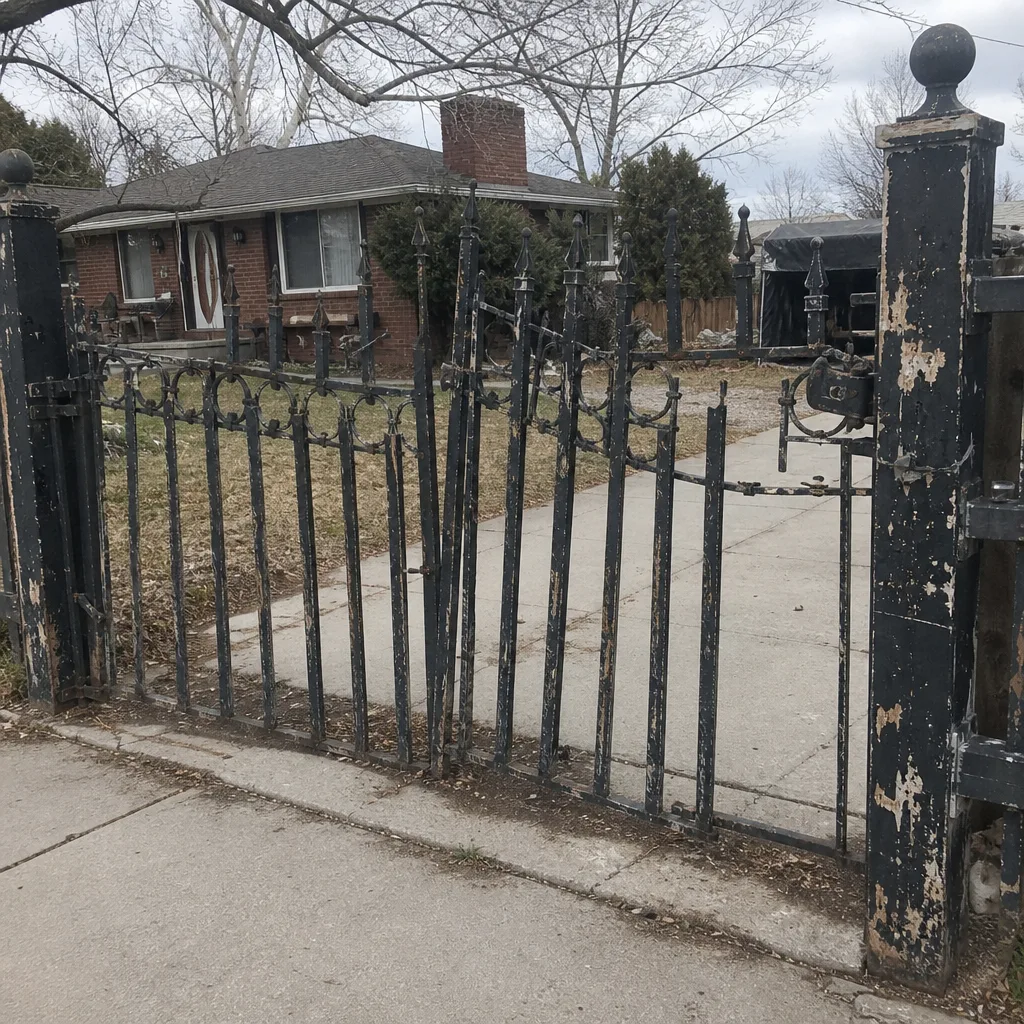
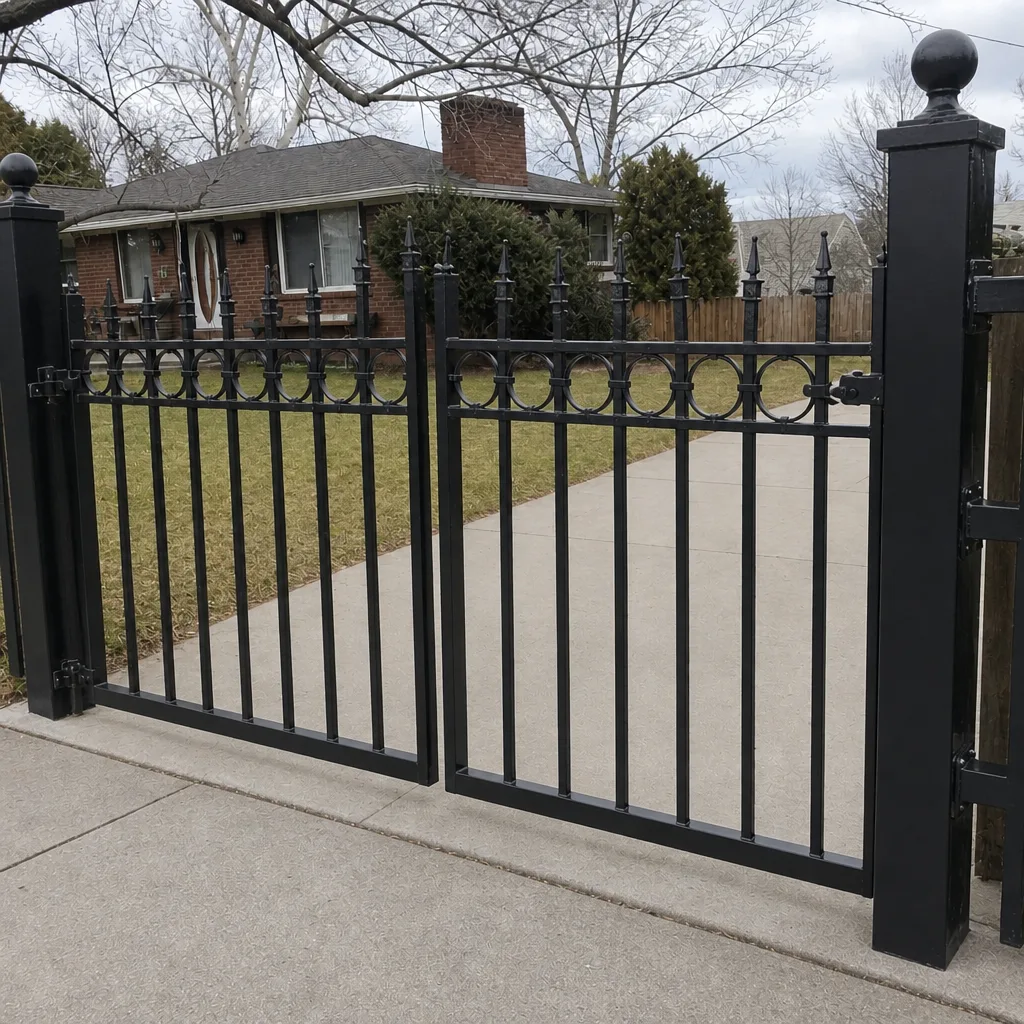
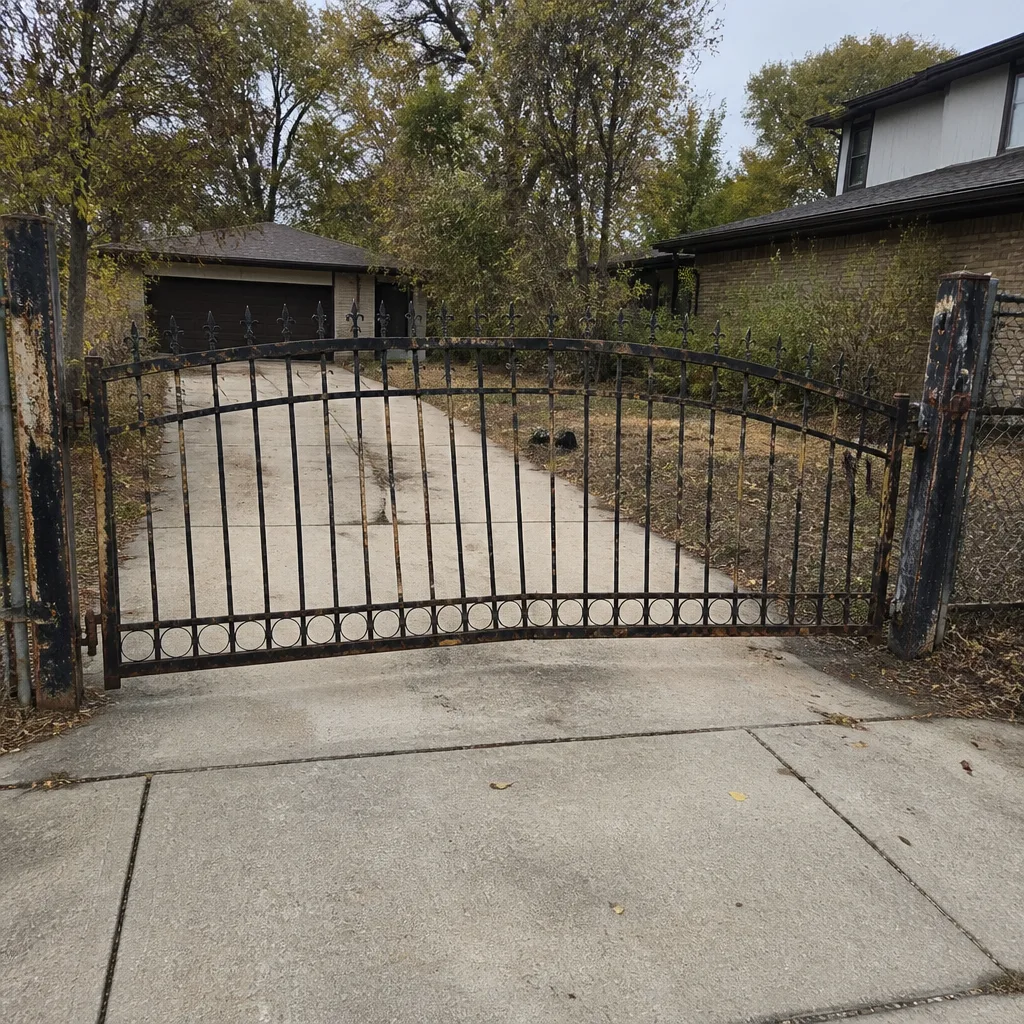 Before
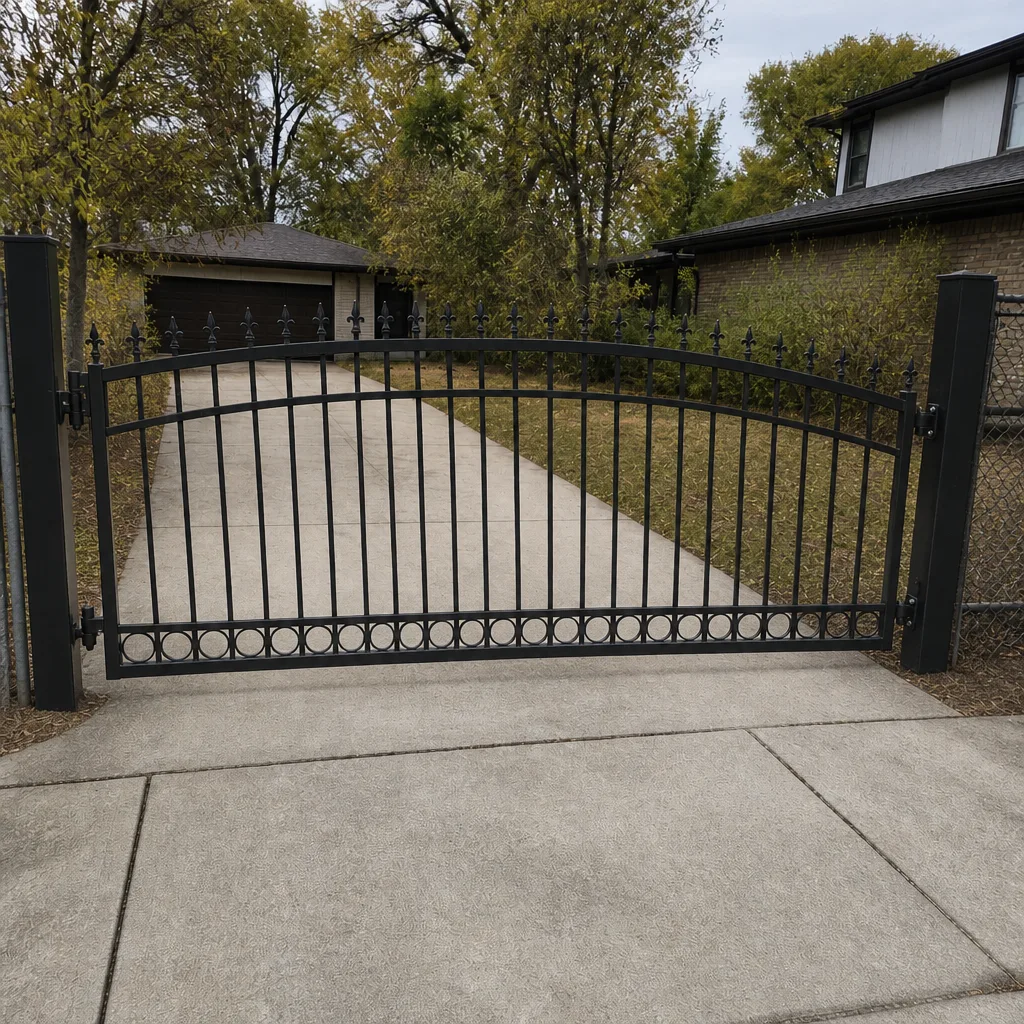 After
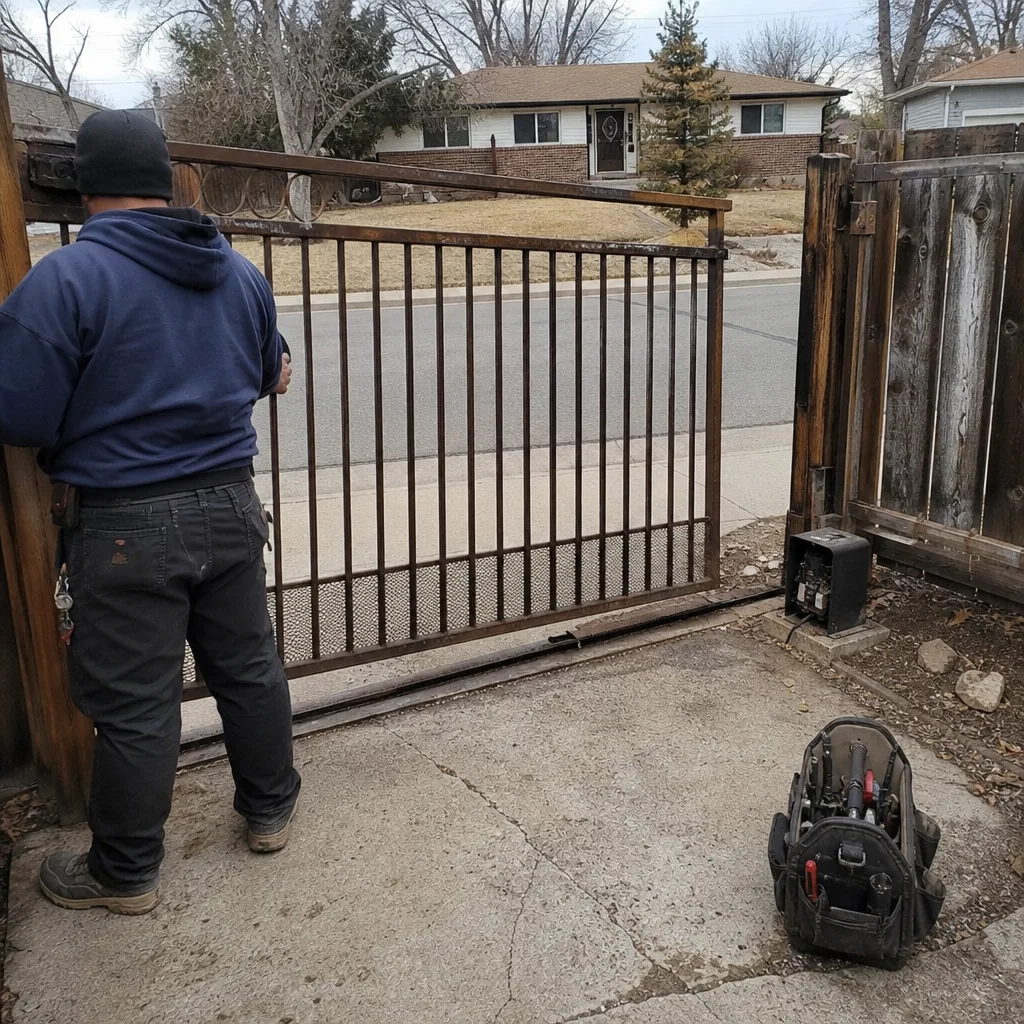 Before
 After
 Before
 After
Common Mistakes to Avoid
- Adjusting the operator’s force to compensate for a mechanical problem. The gate binds because of a hinge or a post. Increasing force just pushes the operator to fight the mechanical issue harder, wearing out the motor and gearbox over time. Fix the cause, not the symptom.
- Bypassing a safety sensor to “test” the operator. Once the sensor is bypassed, the gate cannot tell the difference between an obstruction and open space. Never leave a bypass in place beyond the specific test step the operator’s manual describes.
- Ignoring a minor binding issue until spring. In Centennial’s climate, a hinge that binds in late fall stresses the operator all winter. That’s how a small mechanical fix becomes a motor replacement.
- Buying an operator online without checking the gate’s weight rating. Operators sized for the wrong gate weight either burn out early or, worse, can be configured to push harder than the standard allows just to move the gate.
- Assuming a post is fine because it looks fine. Post movement often shows up as a hard-to-latch gate before it shows up as a visibly leaning post. If a manual gate needs a latch adjustment more than once a season, check the post before re-adjusting.
- Ignoring seasonal hardware checks. A five-minute hinge and bolt inspection twice a year is the cheapest homeowner gate maintenance there is. Skipping it makes every other repair more likely.
- Documenting nothing. Whether you DIY a repair or have one done professionally, note what was changed. It matters when a future technician is diagnosing a fault, and it matters if a question ever comes up about the gate’s service history.
Frequently Asked Questions
Mechanical parts of an electric gate – hinges, latches, loose bolts, minor wood repair – are reasonable to handle yourself. Anything touching the operator, motor, wiring, control board, or safety sensors should go to a trained technician, because those adjustments carry UL 325 compliance and injury liability that a homeowner can’t safely assume alone. If the gate stops moving but the operator powers on, that’s a mechanical call. If the operator itself is misbehaving, call a technician.
UL 325 is the safety standard for automated gate operators, covering entrapment protection, force limits, and required safety devices. It matters because an operator that’s been adjusted beyond spec – usually by increasing force to compensate for a binding gate – can fail to reverse when something is in the way. That’s a safety hazard the gate won’t warn you about until it happens, and it’s the reason we treat operator adjustments differently from hinge or latch work.
That depends on your specific policy and the circumstances, so the answer has to come from your insurer, not from us. What we can tell you plainly: insurers routinely review whether safety-relevant equipment was serviced to standard. A documented professional visit gives you a service record. A DIY adjustment to an automated operator typically leaves none. For anyone with an HOA gate or a gate used by visitors or deliveries, that record is worth having.
Pricing is per job and set by a written estimate, which we quote and agree to before any work begins. The range depends on whether the issue is mechanical or involves the operator, and on parts availability for your specific brand. We don’t quote a number over the phone for anything we haven’t seen. Call (866) 361-9624 for a free estimate – we’ll tell you what’s needed and what it costs before we start.
Yes, in most cases we can offer same-day service for repair and electric gate repair calls. Call (866) 361-9624 and we’ll confirm the current window for your part of Centennial. We answer 24/7. Fast dispatch from 7am to 7pm, Sunday through Friday, and a call outside that window gets booked into the next opening. For larger jobs – a new operator or a full install – we measure and schedule rather than promise same-day, because those jobs need the right parts on hand.
We work on operators from LiftMaster, FAAC, BFT, Linear, Viking, Ghost Controls, DoorKing, Elite, and Mighty Mule. Whether your operator is one of those or another in-between brand, the answer is the same – we’ll diagnose it, we’ll tell you the honest fix, and we won’t tell you that brand is unsupported. Call (866) 361-9624 to confirm what your specific unit needs.
The Bottom Line
The DIY decision for a gate comes down to one question: is the mechanism you’re touching governed by a safety standard? Hinges, latches, lubrication, and small wood repairs are yours to handle, and doing them yourself keeps the operator from ever having to compensate for a mechanical problem. Operator adjustments, wiring, safety sensors, control boards, and motor work belong with a technician, because UL 325 compliance and liability exposure sit behind every setting on that board. Get the split right and you’ll avoid the most expensive path in gate repair: a small mistake compounded by a second attempt at the same mistake. When you’re over your head, we’re a phone call away.
Call (866) 361-9624 for a free estimate. Whether your operator is LiftMaster, FAAC, Viking, or anything in between, we know it. From a bent hinge to a failed motor board – diagnosed and repaired. We answer 24/7. Fast dispatch from 7am to 7pm, Sunday through Friday, closed Saturday.
Written by the team at Gate Repair Centennial, serving Centennial since 2014.