
Last updated November 14, 2026
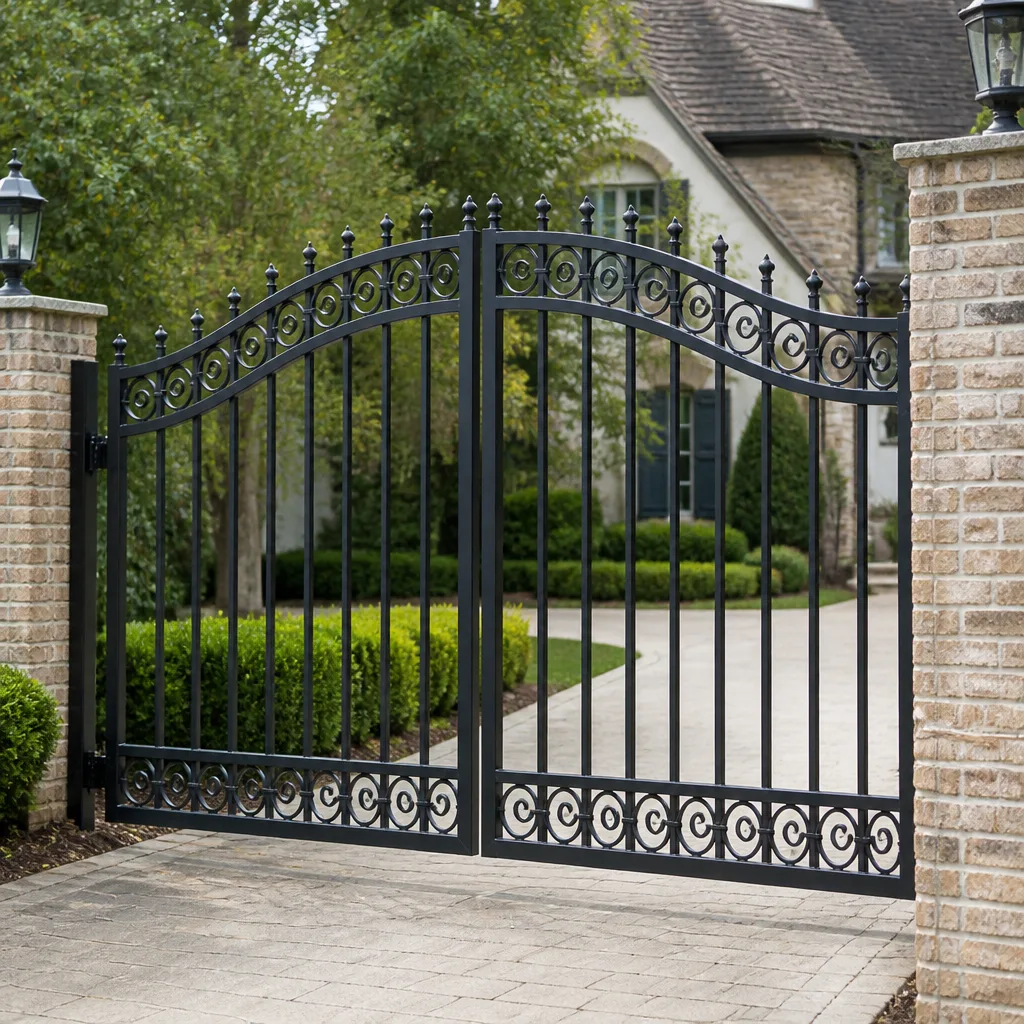 Wrought iron
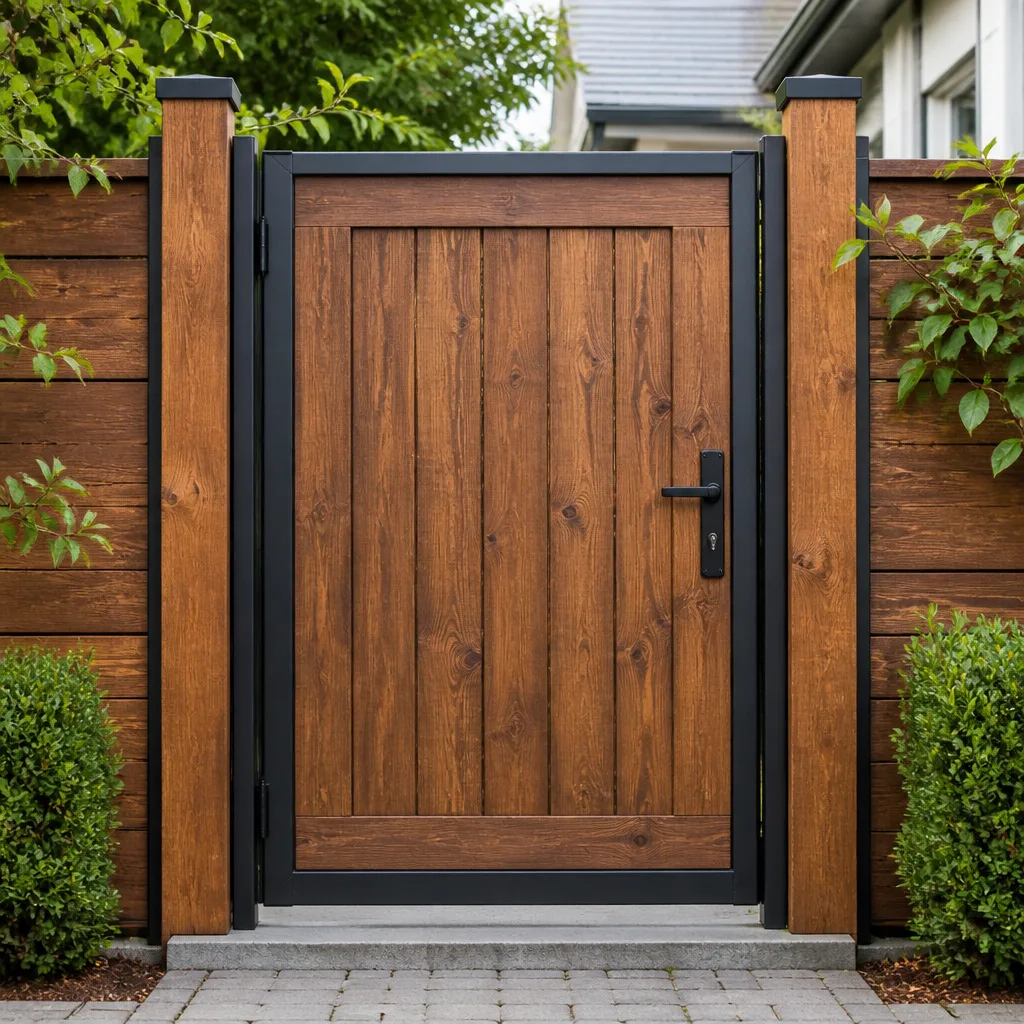 Wood & steel frame
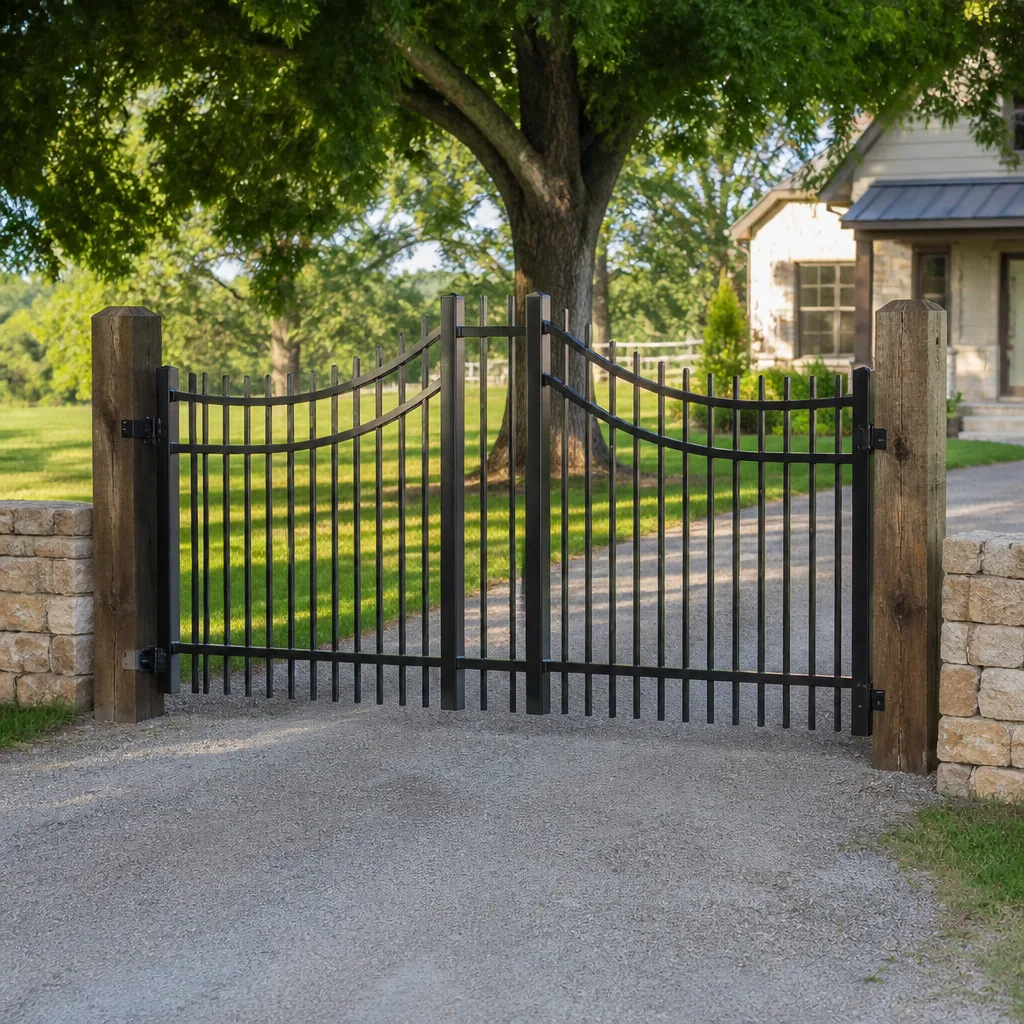 Farm & ranch
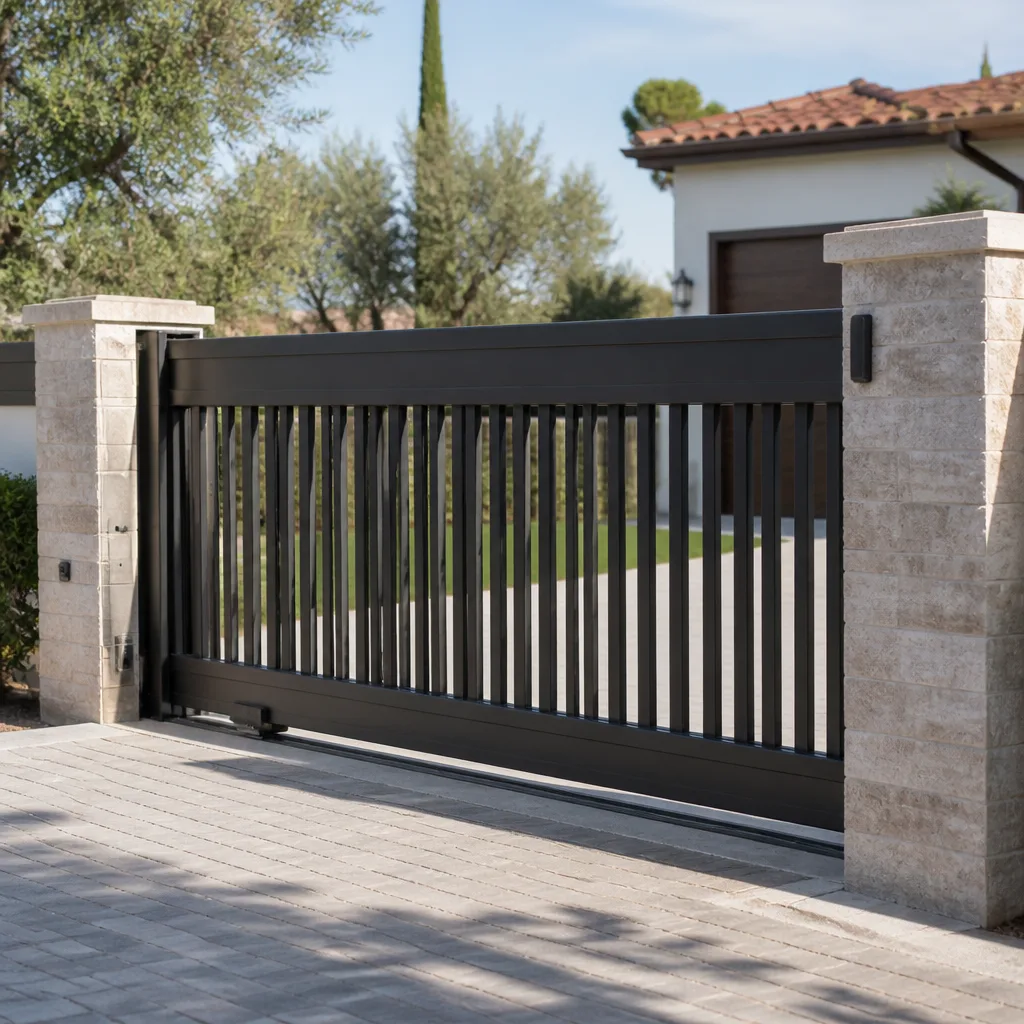 Sliding driveway gates
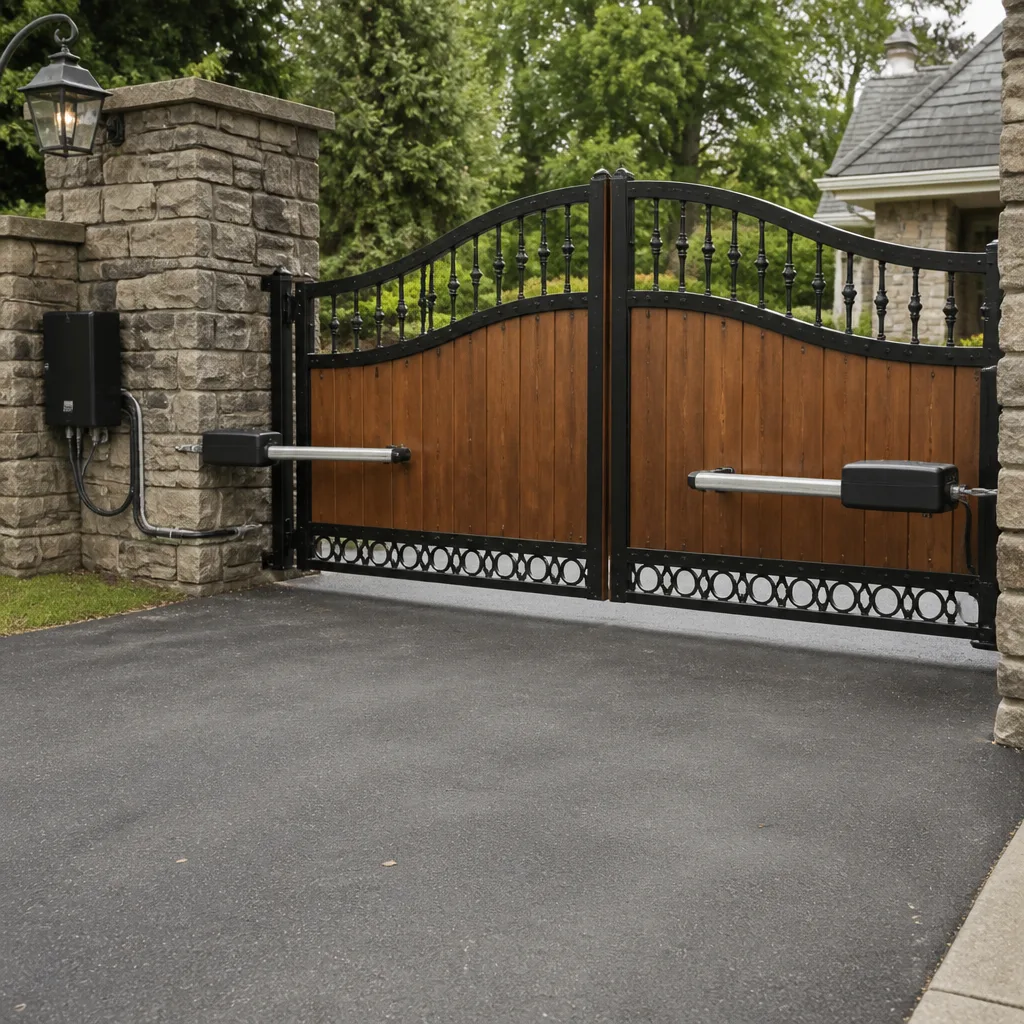 LiftMaster operators
Free on-site gate assessment - hinges, posts, and your LiftMaster or Nice gate operator checked before anything is quoted
The assessment is free and the quote is the invoice.
Get your free estimateChoosing the Right Gate Repair Brand: A Buyer’s Guide for Centennial
Most gate operator buying decisions in Centennial get made on a spec sheet: how many cycles, what horsepower, what price. That’s the wrong starting point. The brand you pick determines who can fix it when it fails, whether the parts are sitting on a shelf in Denver or on a container ship, and whether the next technician who shows up has ever seen that control board before. A brand that dominates in one region can have almost no local service presence in the Denver metro, which means buying on price today and paying for it in availability later. This guide rates the major operators by repairability, not just features.
Styles & brands we work with
- Wrought iron
- Wood & steel frame
- Farm & ranch
- Sliding driveway gates
- LiftMaster operators
Quick Answer
The best gate operator brand for a Centennial property is the one with local parts availability, technicians who carry diagnostic tools for it, and a control board that can be replaced without swapping the whole unit. For most residential driveways, LiftMaster and FAAC offer the strongest combination of local service familiarity and repairability. For long rural driveways without power, Mighty Mule and Ghost Controls are worth considering, with tradeoffs in duty cycle and control board access. Access-controlled commercial entries in Centennial lean toward DoorKing and Linear. Duty cycle matters more than headline price in every case.
Table of Contents
- Why Repairability Beats Spec Sheets in Centennial
- Brand-by-Brand Repairability Rating for Centennial
- Matching Operator Duty Cycle to Your Actual Usage
- Solar vs. AC-Powered Operators at 5,800 Feet
- Proprietary vs. Open-Protocol Control Systems
- Smart Home and Access Control Integration
- How a Gate-Only Technician Diagnoses a Failed Operator
- Common Mistakes to Avoid
- When to Call a Professional
- Frequently Asked Questions
Why Repairability Beats Spec Sheets in Centennial
A gate operator is a machine with a service life, and the service life depends on who can reach it. That’s the core problem with buying a brand that has no local footprint. Here’s what actually determines how fast a failed operator gets back online:
- Parts availability locally: control boards, limit switches, and receiver modules either sit in a distributor’s warehouse in the metro or they don’t. If they don’t, you’re waiting on shipping before work even starts.
- Technician familiarity: a technician who has worked on a given operator family dozens of times reads a fault code in seconds. A technician seeing it for the first time reads a manual.
- Control board replaceability: some boards are modular and swap in fifteen minutes. Others are potted into the housing or paired to the unit in ways that force a full replacement.
- Manual release and override design: a stuck gate needs to be released manually before anything else happens. Some designs make that easy for a homeowner; others require tools and a technician.
This matters more in Centennial than in milder climates because the temperature swings stress the electronics and the mechanics at the same time. An operator that runs reliably at a stable 70 degrees meets a very different set of conditions here, and the failure mode is often electrical rather than mechanical. When a control board goes, the question becomes whether the brand you bought has a board available nearby. We’ve seen operators sit out of service for weeks waiting on a part that a locally supported brand would have had same day. That’s the whole argument for weighting repairability above a couple hundred dollars of upfront savings.
For a property manager overseeing multiple entries, this also shapes the service call. Every Gate Repair Centennial visit starts with identifying the operator family, because the diagnostic path branches based on it. A gate-only technician knows that path for the common brands and can tell you quickly whether you’re looking at a repair or a replacement decision.
Brand-by-Brand Repairability Rating for Centennial
Here’s how the brands we work on most stack up on pure repairability in the Centennial market. This isn’t a ranking of quality; it’s a ranking of how easy it is to keep a given brand running when something goes wrong.
LiftMaster
Strong local presence, widely stocked parts, and technicians who know the line well. Control boards are modular on most residential models, which means a board failure is usually a board swap rather than a whole-unit replacement. For a Centennial driveway gate, this is the safest bet on repairability grounds. MyQ integration (covered below) adds a smart-home option without forcing a full system change.
FAAC
Italian engineering, common on swing gates across the Denver metro, and well supported locally. Diagnostic access is good, and the mechanical components are serviceable rather than sealed. The tradeoff is that some models use proprietary receivers and remotes, so budget for keeping spares on hand. When FAAC hardware is on a property, we know the diagnostic sequence for it cold.
Elite
A solid mid-market line that many Centennial homeowners end up with after installation by a builder or previous owner. Repairability is decent but local parts availability is more variable than LiftMaster or FAAC, so an urgent gate repair job sometimes means calling around for a board. Worth knowing before you buy into the brand fresh.
Mighty Mule
Popular for DIY installs and rural properties because of the price point. Repairability is fair, but the residential-rated models struggle on heavy gates and high-cycle entries. If your gate gets used more than a couple dozen times a day, a Mighty Mule operator is going to fail early. Not the right choice for a busy HOA entry.
Other brands we see in Centennial
BFT, Linear, Viking, Ghost Controls, and DoorKing all come through our shop regularly. Linear and DoorKing show up most often on access-controlled commercial and HOA entries. BFT and Viking are common on swing gates. Ghost Controls is favored for solar setups on long driveways. Each of these has its own diagnostic quirks, but the repairability principles are the same: local parts, technician familiarity, control board access.
Matching Operator Duty Cycle to Your Actual Usage
Duty cycle is the single most overlooked spec in gate operator shopping. It describes how hard an operator can work before it needs to rest, and it’s usually expressed as a percentage of an hour or as a cycle rating per day. A residential-rated operator is designed for a handful of open-and-close cycles a day. A property with high traffic, whether an HOA entry, a commercial lot, or a busy household, will burn through a residential operator in a fraction of its rated life.
Here’s how to think about it in practice:
- Count your real daily cycles. Not the number of cars, the number of open-and-close sequences. A car entering and leaving is two cycles.
- Add margin for peaks. If your baseline is 40 cycles, plan for 60. Guests, deliveries, and service vehicles add up.
- Match the operator class to that number. Residential operators typically handle light daily use. High-cycle and commercial-rated operators cost more but last through the workload.
- Consider duty cycle, not horsepower, on swing gates. Swing gate failures are often hinge and arm stress, not pure motor power.
In Centennial, we see this mistake on HOA entries most often. A board installs a residential operator to save on the original bid, and two or three busy seasons later it’s failing. The replacement is now a commercial-rated unit and the total cost exceeds what a commercial operator would have cost upfront. If you’re managing an HOA entry, the duty cycle conversation should happen before the bid, not after the first failure. For commercial and access-controlled entries, electric gate repair often turns into a duty-cycle correction because a shop or HOA entry simply runs the wrong class of operator.
Solar vs. AC-Powered Operators at 5,800 Feet
Centennial sits at roughly 5,800 feet, and that elevation changes how solar gate operators perform here. The upside is abundant sun. The downside is that high-elevation sun is intense and panel output varies more than people expect between summer and winter, and battery chemistry doesn’t love the cold swings of a Front Range winter.
Here’s the honest comparison for Centennial properties:
- AC-powered operators are the right choice almost any time a power run is practical. No battery to degrade, no panel to shade, no charge controller to fail. If the gate is within reach of power, run power.
- Solar operators make sense when the run to power is genuinely expensive or impossible, typical on rural driveways east of Centennial. The operator brand and the solar kit need to be matched; not all operators are designed to accept a solar charge controller.
- Winter performance is the wildcard. Cold reduces battery capacity, and short winter days reduce charge. A solar setup sized for summer in Centennial can dip into low-battery faults by January. Size for winter, not summer.
- Ghost Controls and Mighty Mule are the two brands most commonly paired with solar setups locally. Both offer solar-ready models, with the duty cycle caveats noted above.
Whichever route you take, the solar conversation should happen at the install stage, not as an add-on after the fact. A gate-only technician who works with these systems regularly can tell you quickly whether a given operator is a good candidate for solar and how to size the panel and battery for a Centennial winter.
Proprietary vs. Open-Protocol Control Systems
The control protocol an operator uses has a quiet, long-term effect on your repair options. Proprietary systems lock you to the manufacturer’s parts, remotes, and service network. Open-protocol systems (like those following common access-control standards) let any qualified technician work on the entry system without needing brand-specific tooling.
What this means in practice:
- Proprietary operators tend to be easier to integrate with their own manufacturer’s accessories, but trickier when you want a mixed-brand access-control setup.
- Open-protocol operators give you more freedom later. You can add a new card reader or keypad from a different manufacturer without swapping the operator.
- Receiver compatibility is worth checking before you buy. If you’re adding a remote or a vehicle transponder, will it work with the operator you already have?
- Access-control electronics often survive the operator itself. If you’re replacing an operator, save the readers and keypads if they’re still working. They may hook up to the new unit.
For most residential properties, protocol flexibility doesn’t matter much because you’re not integrating anything. For HOA and commercial entries in Centennial, it matters a lot. A facility manager planning to add or change access control should have a conversation with the gate technician before committing to an operator brand, because changing the operator later is much more expensive than picking the right one now.
Smart Home and Access Control Integration
Smart home gate integration has matured enough that it’s a real consideration, not a novelty. The question is whether your operator brand supports it without forcing a full swap. Here’s the landscape:
- LiftMaster MyQ is the most established option for residential smart gate control. It gives you phone-based open, close, and status, and it works with the operator you’re likely to buy anyway.
- DoorKing is the standard for HOA and commercial access control in Centennial, with support for intercoms, card readers, and phone-based entry. It’s a different system class than residential operators.
- Third-party controllers exist for adding smart control to older operators. They work with a range of brands, but compatibility varies, and they add a point of failure.
The rule of thumb: if smart integration is important to you, pick the operator with that integration built in, not a bolt-on controller. A built-in system is one less component to troubleshoot. A bolt-on can be perfectly reliable, but when the gate acts up, the diagnostic path is longer because there are two systems to check. If you’re building out a Centennial property with new gate infrastructure, plan the integration layer at the same time as the operator, not after.
How a Gate-Only Technician Diagnoses a Failed Operator
What actually happens when a gate stops working and a specialist shows up? Understanding the diagnostic path helps you describe the problem accurately and sets expectations for the visit.
- Manual release and gate inspection. Before touching the electronics, the technician releases the gate from the operator and checks that the gate itself moves freely. If the gate is binding on a hinge or off its track, that’s the root cause and the operator was fine.
- Power and safety edge check. Voltage at the operator, condition of the wiring run, and the state of the safety edges and photo-eyes. Many “dead operator” calls are actually a tripped safety edge or a broken photo-eye beam.
- Control board diagnostics. Fault codes, LED status indicators, and physical inspection of the board for burned traces, blown capacitors, or water intrusion.
- Operator and motor test. Motor windings, brake, limit switches, and the manual release mechanism on the operator itself.
- Access control system check (if present). Keypads, card readers, intercoms, and receivers, in case the operator is fine and the trigger signal is missing.
This is why brand familiarity matters so much. A technician who knows the operator family can shortcut steps 3 and 4 by going straight to the likely fault. A technician seeing the unit for the first time works through it blind. That speed difference is what local support actually buys you.
Common Mistakes to Avoid
- Buying on price without checking local parts availability. A $200 cheaper operator that needs a control board from out of state can cost more in downtime than it saved upfront.
- Ignoring duty cycle on HOA and commercial entries. Residential-rated operators on high-cycle entries fail early, and the replacement path costs more than buying the right class of operator from the start.
- Sizing solar for summer in Centennial. Winter sun angle and cold batteries will find the gap. Size the system for the worst month, not the best.
- Swapping the whole operator when only the control board failed. Many operators have replaceable boards. Check before replacing the unit.
- Bypassing safety edges to make the gate “just work.” This is a genuine safety hazard. A gate that can close on a pedestrian or a vehicle is not a working gate.
- Calling a general handyman for an operator fault. Operator wiring and power are the dangerous parts of a gate system. A trained gate technician is the right call.
- Installing a new operator without checking protocol compatibility with existing access control. Changing the operator can orphan working keypads and readers, which is a needless expense and a longer outage.
Each of these is a story we’ve heard more than once. Most are avoidable with a short conversation before the money gets spent. That’s the practical difference between a generalist and someone who works on gates only.
When to Call a Professional
If your gate has stopped entirely, if it moves and stops at odd positions, if the operator is dead but the gate itself is fine, if you see or smell anything unusual around the operator housing, or if a safety edge has failed, call a professional. Electric gate operators carry mains power and store enough mechanical force to seriously injure someone. Heavy gate panels can crush. Slide gates that have come off the track can drop. None of that is a DIY diagnostic. If your gate brand is one you’ve never heard of, that’s also a reason to call someone experienced with the major operators rather than replacing blindly.
Even simple-looking mechanical issues benefit from an experienced eye because the interplay between the gate and the operator is where most failures hide. Gate Repair Centennial offers free estimates in Centennial. Call (866) 361-9624. We answer 24/7. Fast dispatch from 7am to 7pm, Sunday through Friday.
Frequently Asked Questions
For most Centennial homeowners, LiftMaster or FAAC offers the best combination of local parts availability, technician familiarity, and repairability. LiftMaster has the strongest local service footprint and MyQ for smart control. FAAC is a solid choice on swing gates with good local support. The right answer depends on your gate type, cycle volume, and whether you need smart integration.
Only if the gate is light, the cycle volume is low, and you’re comfortable with a shorter service life. Mighty Mule is popular for DIY and rural installs because of the price point, but on a heavy gate or a busy entry it fails early. On a low-traffic residential driveway it can be fine. If the driveway cycles more than a couple dozen times a day, look elsewhere.
Solar makes sense only when a power run is impractical. At 5,800 feet, winter performance is the real consideration: shorter days and cold batteries can push a solar setup into low-battery faults if it was sized for summer. If power is reachable, run power and use an AC operator. If solar is the only option, size the panel and battery for winter, not summer.
Often, yes. If your operator is LiftMaster and supports MyQ, it’s built in. For other brands, third-party controllers can add phone-based control, but compatibility varies. The cleanest solution is an operator with integration built in. Call and we can tell you what works with the specific operator you have.
Proprietary operators lock you to the manufacturer’s parts, remotes, and accessories. Open-protocol operators let any qualified technician work on the entry system without brand-specific tooling, and they allow adding access control hardware from different manufacturers. For residential driveways, this rarely matters. For HOA and commercial entries, it matters a lot.
We work on operators across a wide range of brands, including LiftMaster, FAAC, BFT, Linear, Viking, Ghost Controls, DoorKing, Elite, and Mighty Mule. Brand-agnostic diagnosis is the whole point: no operator brand gets told it’s unsupported. If it’s a gate, we diagnose it.
The Bottom Line
The best gate operator brand for your Centennial property is the one you can actually keep running. Weight local parts availability, technician familiarity, and control board replaceability above a couple hundred dollars of upfront savings. Match duty cycle to real usage, especially on HOA and commercial entries. Size solar for winter if you go that route. Check protocol compatibility if you’re integrating smart controls or access hardware. And when it fails, call someone who works on gates only. The Gate Repair Centennial team works on gates exclusively in Centennial, and the free estimate tells you repair or replace before any work begins. Call (866) 361-9624. We answer 24/7. Fast dispatch from 7am to 7pm, Sunday through Friday.
Written by the team at Gate Repair Centennial, serving Centennial since 2014.
See the difference
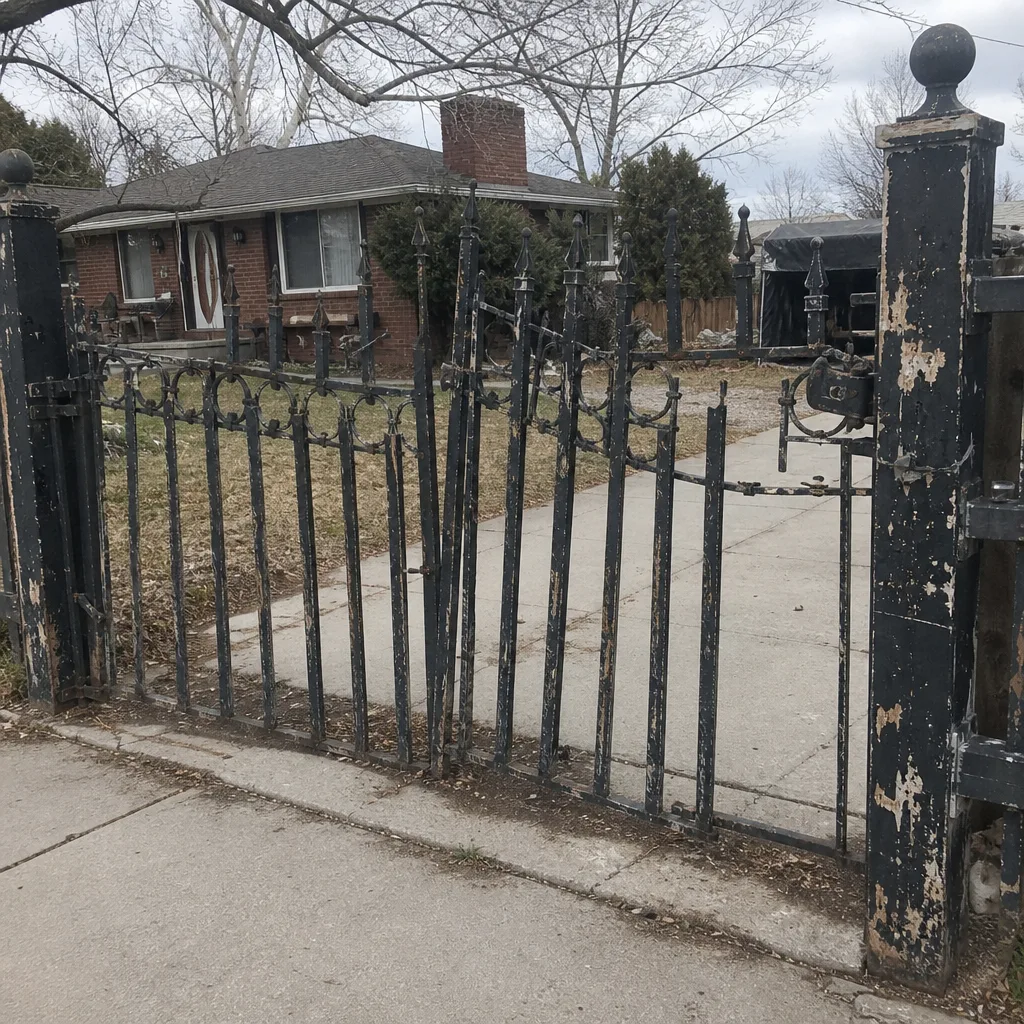
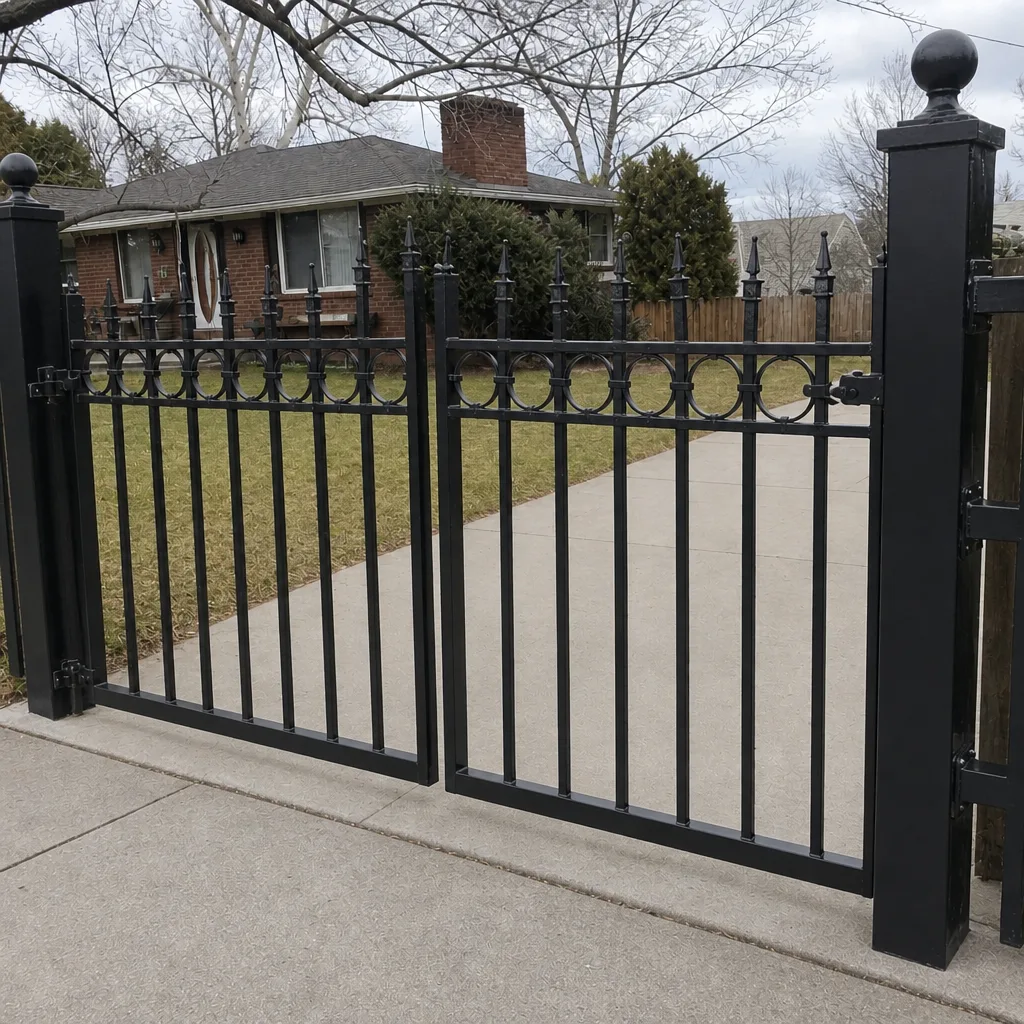
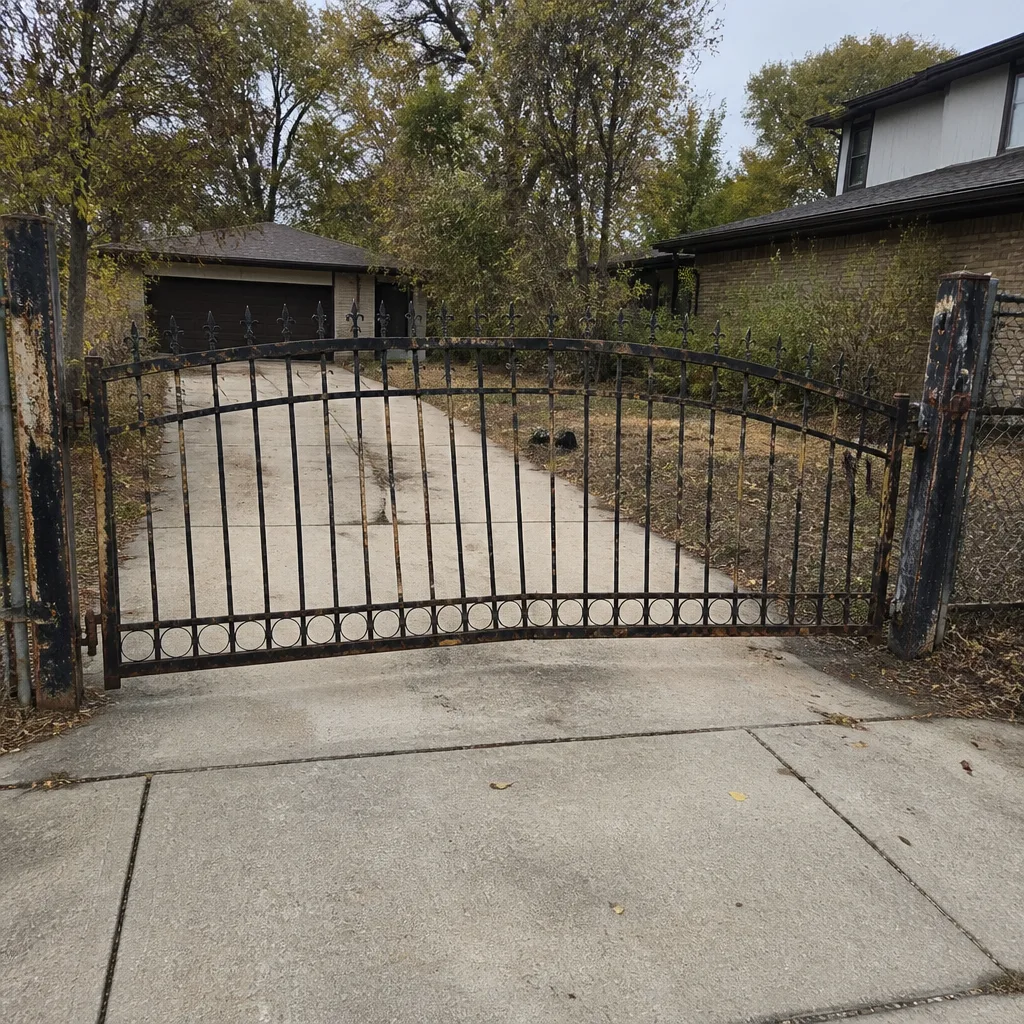 Before
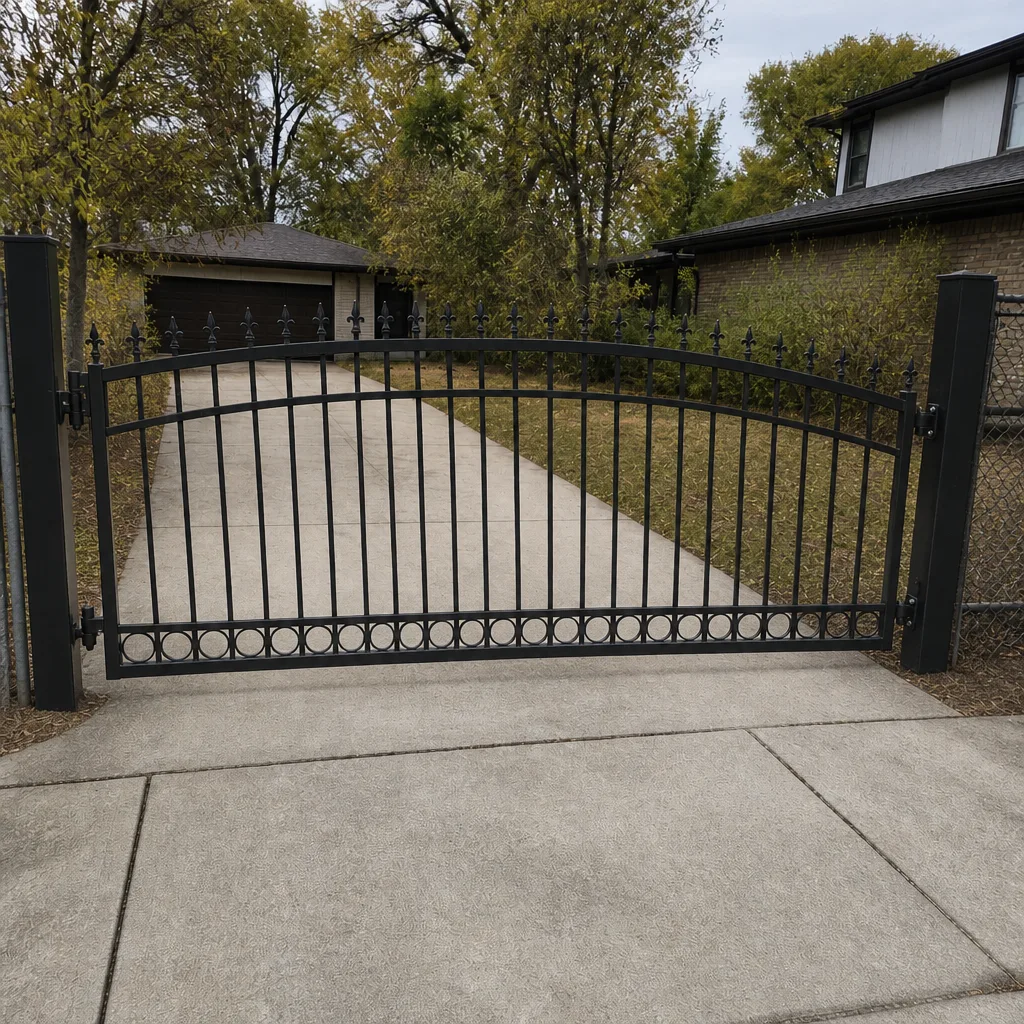 After
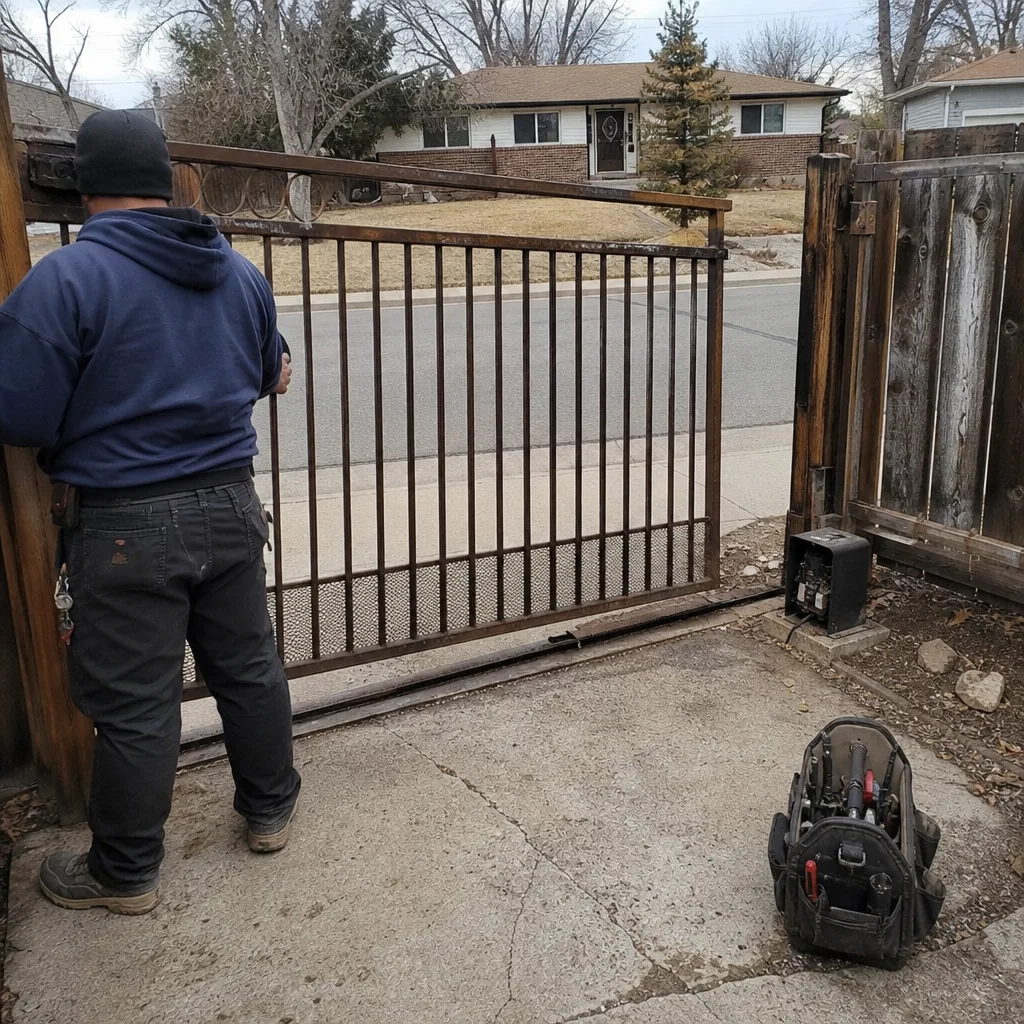 Before
 After
 Before
 After