
Last updated November 14, 2026
 Wrought iron
 Wood & steel frame
 Farm & ranch
 Sliding driveway gates
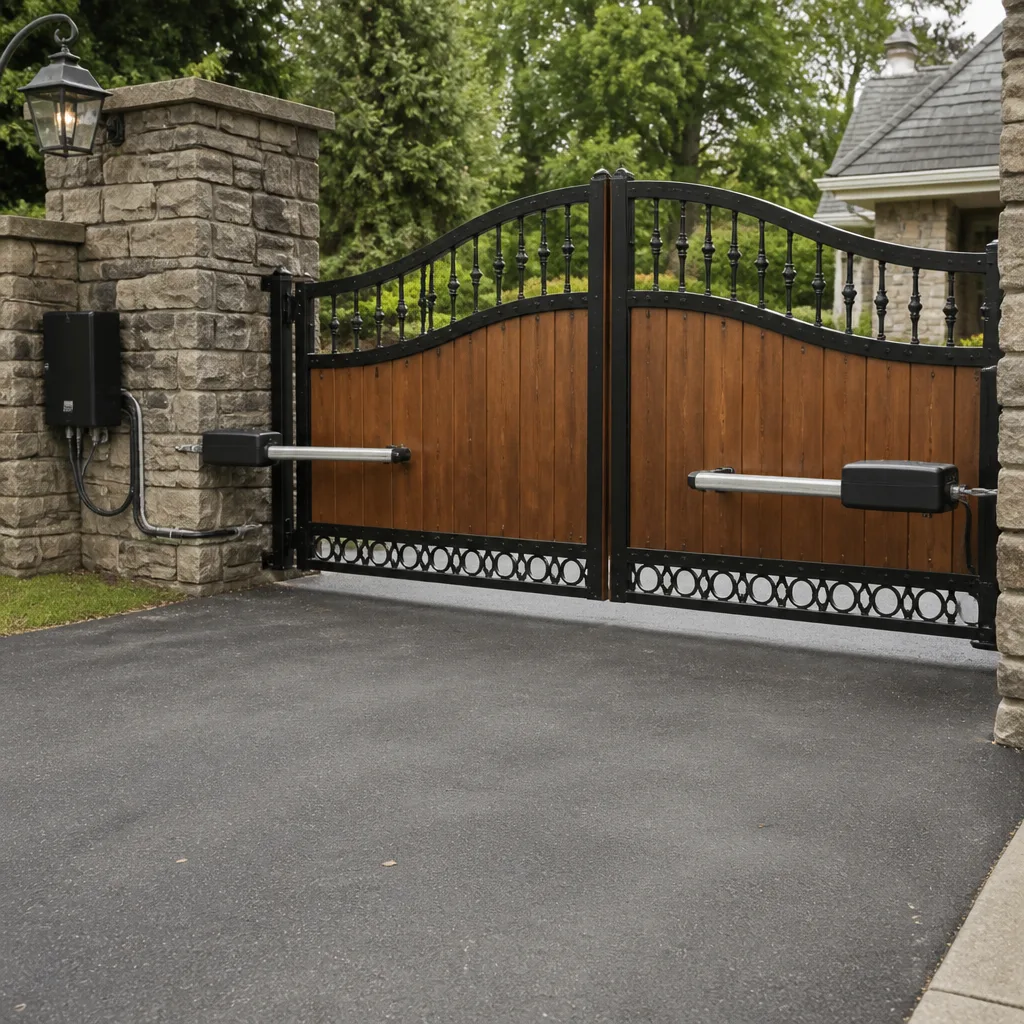 LiftMaster operators
Free on-site gate assessment - hinges, posts, and your LiftMaster or Nice gate operator checked before anything is quoted
The assessment is free and the quote is the invoice.
Get your free estimateGate Repair Maintenance Schedule: What to Do and When
Most gate maintenance advice is built around a single annual checklist, and that’s the problem. A manual gate and an electric gate with a control board age on completely different clocks, and in Centennial the calendar itself does half the damage. The most common reason a gate quits in January is that nobody greased the hinges, checked the operator’s battery backup, or looked at the footing drainage back in October. Here’s the whole picture: a layered schedule by interval and by gate type, tailored to how Centennial’s freeze-thaw cycles and summer monsoon storms treat gates, manual or automated.
Quick Answer
A gate needs monthly visual checks, quarterly lubrication and hardware tightening, biannual operator and safety-device testing, and annual structural and electrical inspection. In Centennial, schedule specific seasonal work: pre-winter prep in October, post-freeze inspection in March and April, and drainage checks in July and August. Manual and electric gates share some tasks but not all, so the schedule below is split by system type.
Styles & brands we work with
- Wrought iron
- Wood & steel frame
- Farm & ranch
- Sliding driveway gates
- LiftMaster operators
Table of Contents
- Monthly Tasks
- Quarterly Tasks
- Biannual Tasks
- Annual Tasks
- Seasonal Checklist for Centennial
- Maintenance by Gate Type
- Components With Predictable Lifespans
- Master Maintenance Table
What Should You Check on a Gate Every Month?
Once a month, walk the gate through its full cycle and look for anything that changed. This takes about ten minutes per gate and catches nearly every failure before it strands you with a gate stuck mid-travel. The point is comparison: you’re looking for what’s different from last month, not judging the gate against some ideal. As a gate-exclusive company, we can tell you that the calls we get are rarely surprises. They’re things that were visible for weeks.
Run through this in order:
- Open and close the gate and listen. Grinding, scraping, popping, or a strained whine from the operator means something is off.
- Watch for smooth travel. A gate that hesitates, jerks, or drags at one point along its path is telling you exactly where the problem is.
- Look at the hinges, rollers, and track for wear, loose bolts, or metal shavings on the ground. Shavings mean binding.
- Test the safety reverse if it’s a photo-eye system. Block the beam with your hand while the gate closes; it should stop and reverse.
- Check the ground under the operator housing and the gate posts for new cracks, settling, or water pooling.
- Confirm the auto-close timer, if you use one, still works as expected.
Note anything odd on paper or in your phone. Patterns over two or three months tell you whether you’re looking at an adjustment, a worn part, or operator trouble. If the gate on a Centennial property stops responding to the remote entirely, that’s usually a battery, a photo-eye obstruction, or a control board fault, and it’s worth a call rather than a wait-and-see.
What Belongs on the Quarterly List?
Every three months, move from watching to touching. This is when lubrication, tightening, and cleaning happen, and when you catch the slow deterioration that visual checks miss. Do this in the same visit each quarter so the schedule becomes a habit.
Quarterly tasks:
- Lubricate the hinges, pivot points, and roller bearings with a grease rated for outdoor use. A lithium or silicone grease holds up better through Centennial’s temperature swings than a thin spray lubricant that washes away or gums up.
- Inspect and tighten the hinge pins and mounting bolts on the gate frame. Seasonal ground movement loosens hardware over time.
- Clean the photo-eye lenses on both sides of the driveway. Dust, cobwebs, and mud splatter all cause phantom reversals and intermittent stops.
- Clean the track (sliding gates) or the wheel path (rolling gates) and clear debris. Gravel and leaves in the track are the number-one cause of dragging slide gates.
- Check the gate’s level and clearance from the ground. Panels that start scraping predict a post or footing issue.
- Inspect the operator’s exterior housing for cracks, insect nests, or moisture intrusion. Wasp nests inside a control box are more common than you’d think.
- Look at the emergency release mechanism on automated gates. Make sure it moves freely so you can operate the gate manually if power fails.
If you’re hearing a repetitive clunk or noticing the gate lands on a different spot each time it closes, an adjustment issue may already be in play. That’s the point where professional eyes save you money later.
What Needs Testing Twice a Year?
Twice a year, test the systems that keep the gate safe and the operator healthy. Safety devices are the part of a gate that people skip because they “worked last time.” Automatically closing gates have real crushing and pinning risk, and the systems that prevent it need periodic testing, not assumption.
Biannual testing includes:
- Photo-eyes and safety edges. Trigger each one during the closing cycle. The gate should stop and reverse immediately. If it doesn’t, treat it as an operator failure and stop using the automatic function until it’s fixed.
- Operator force and sensitivity. The gate should stop when it meets resistance. If it pushes through, that setting needs adjustment by a technician.
- Battery in the operator’s backup unit. Many electric operators, including LiftMaster and Viking models, have backup batteries for power failure. Check them under load twice a year.
- Limit switches. Confirm the gate opens fully and closes fully without over-travel. Drift in limit settings causes the travel to creep, which strains the motor over time.
- Access control devices. Keypads, intercoms, card readers, and remotes should all be tested. A single failing card reader on a commercial gate creates real friction for tenants and visitors.
If you manage an HOA or a commercial property in Centennial and you’re running a DoorKing access system or similar access-control setup, put these tests on a calendar and assign an owner. Automated gates that serve dozens of users per day need more attention than a single-home driveway gate.
What Belongs on the Annual Inspection?
Once a year, do the deep work. This is where most gate owners will want a professional, because it involves the structure, the electrical connections, and the operator internals. An annual inspection is also when you build a replacement budget for the parts that are on their way out.
The annual list:
- Inspect the gate posts and their footings. Cracks in the concrete or a post that’s started to lean deserve real attention. The footing is the foundation of the entire gate.
- Check the gate frame for rust, bent members, weld cracks, and loss of structural rigidity.
- Inspect the operator motor for wear, and clean the internal components as needed. If a section of the operator board is showing heat or discoloration, that’s an early sign of failure.
- Check all electrical connections, conduit, and junction boxes at the operator and access points. Loose connections and moisture intrusion in Centennial’s climate are common culprits.
- Confirm the emergency stop functionality and re-test the safety edge if the gate has one.
- Review the gate’s overall condition for signs it’s near its end of life. Repair or replace is a real decision here. In our experience, a fair number of gates being “repaired” for the third year in a row are costing their owners more than a replacement would have.
If you’re not sure whether your system is one of the brands we service, or you’re working with an older system whose history you don’t know, that’s the right time to book professional gate repair and have it looked at in one visit.
What Seasonal Tasks Matter Most in Centennial?
Centennial’s climate drives specific work at specific times. Winters deliver repeated freeze-thaw cycling that shifts ground, works hardware loose, and cracks concrete. Summer monsoon storms dump water fast enough to test any drainage design. Skipping the right check at the wrong time costs you far more than doing it on schedule.
October: Pre-winter prep. This is the most important visit of the year. Lubricate every moving part with heavy grease that won’t thin in cold weather. Check and torque the hinge pins and mounting bolts while the ground is still settled. Test the operator’s battery backup and charge it if needed. Clear drainage away from the gate posts and the operator base. Note any cracks in concrete that will open further with the first freeze. Consider whether your operator is rated for cold weather and whether its internal heater, if equipped, works.
March and April: Post-freeze inspection. As the ground thaws and shifts, re-check the gate posts for lean and cracks. Re-tighten hardware that loosened during freeze-thaw cycling. Test the gate’s complete cycle, because winter is when small issues become visible. Clean out any debris that collected during the winter, and test the battery backup after a season of sitting.
July and August: Monsoon drainage check. Walk the gate line ahead of and during storm season. Confirm the drainage paths around gate posts and the operator housing are clear. Check for water intrusion in the operator and control boxes. Look at the gate posts again for movement or washout. Test the safety devices thoroughly because heavy moisture creates electrical gremlins. If you find the gate’s been underwater at the operator base, that’s an immediate call.
Adjust these calendar items to actual weather in a given year, but keep them anchored to their months. Early is better than late. The cost of one missed lubrication cycle in October routinely exceeds the cost of a repair, and the twenty minutes and single tube of grease prevent it.
Does Maintenance Differ by Gate Type?
Yes. Manual hinged, manual sliding, single-arm electric, dual-arm electric, and underground operator systems each have their own maintenance profile. A single annual checklist applied to all of them wastes time on some and misses critical tasks on others.
Manual hinged gates. Hinges, pivot points, and the latching mechanism get most of your attention. Lubricate quarterly, check for sag at the top hinge, and confirm the gate swings freely without dragging. Test the latch alignment every few months. Older wood gates need a yearly look at the joints because they move with moisture.
Manual sliding gates. The track and the gate’s rollers carry all the load. Keep the track clean, check that the gate is level in its slide path, and lubricate the rollers quarterly. Look at the v-groove or top-hung track for wear; a worn track causes the gate to wander off line, which is a repair, not an adjustment.
Single-arm electric gates. The arm, the hinge, and the operator’s internals all need attention. Test the arm’s travel and confirm the gate opens to the correct angle every time. Check limit switches twice a year, lubricate the arm connecting points quarterly, and test the electronics and battery backup biannually.
Dual-arm electric gates. Double the moving parts, double the check. Both arms must be synchronized; if one is lagging, the gate racks and binds. Lubricate both arms, check the limit switches for both motors, and test each arm’s force and sensitivity biannually. A common failure on dual-arm systems is a solenoid or clutch issue on one side that shows up as a lopsided close.
Underground operator systems. These have the motor below ground, which makes them smoother to look at and more demanding to maintain. Drainage around the housing is critical, especially in Centennial’s monsoon season. Check the access cover, the underground enclosure, and the connections twice a year. Water intrusion into an underground operator is the fastest way to a motor replacement.
Every brand has its own quirks. Ghost Controls units have their own battery and controller behavior; Elite operators have specific adjustments; DoorKing access systems run on their own control logic. Whether your operator is LiftMaster, FAAC, Linear, or anything in between, we work with it. We don’t tell customers their brand is unsupported, because nine-manufacturer coverage means it usually isn’t.
Which Components Have Predictable Replacement Lifespans?
Five components do most of the predictive-replacement work on a gate. If you know roughly when each will go, you can plan and budget, and you avoid the scramble of a gate that’s suddenly dead. The intervals below are typical, not guaranteed. Usage, weather, and system type shift them. But they give you a working budget.
The five components:
- Batteries. Backup batteries in the operator typically last two to four years. Heat and cold cycles shorten their life, so Centennial’s temperature swings are hard on them. Test under load twice a year and replace on schedule rather than on failure.
- Photo eyes. Photo-eye sensors generally last five to seven years. Aging lenses and failing emitters cause phantom reverses that mimic operator problems. If intermittent stopping starts and cleaning doesn’t fix it, the sensors are often the answer.
- Rollers. On sliding gates, rollers typically wear out in three to six years depending on usage. When the gate starts to drag, hesitate at the same spot, or make a rumbling sound as it rolls, check the rollers first.
- Hinge pins. Hinge pins on swinging gates last three to five years under typical residential use. Regular greasing extends that. Worn pins cause sag, which stresses the operator on automated gates and strains the frame on manual ones.
- Limit switches. Limit switches generally last five to eight years. Over-travel, drift in the travel end points, or a motor that keeps running after the gate has finished opening are all signs of limit-switch trouble.
Build a simple tracker with the install date of each component and its expected replacement window. When you’re within six months of a window, plan the replacement. Proactive replacement costs less than a gate that fails at a bad time, and it saves the operator motor from absorbing the wear.
Master Maintenance Table
Here’s the whole schedule in one place. Use it as a working document. Store it with your gate paperwork, and mark each task as done when it’s completed.
- Monthly / Visual walkthrough: Listen and watch the gate’s full cycle; check hinges, rollers, and tracks; test safety reverse; check ground under posts and operator. Tools: none. Escalate if the gate hesitates, jerks, or reverses without obstruction.
- Quarterly / Lubrication and hardware: Grease hinges, pivot points, and rollers; tighten hinge pins and mounting bolts; clean photo-eye lenses and the track. Tools: grease gun or grease tube, wrench set, rag. Escalate if hardware won’t hold torque or the gate is dragging in the track.
- Biannual / Safety and electronics testing: Trigger photo-eyes and safety edges; test operator force sensitivity; check battery backup under load; test limit switches; test access-control devices. Tools: none beyond the remote and keypad. Escalate immediately if safety devices fail to reverse.
- Annual / Deep inspection: Inspect posts and footings; check frame for rust, cracks, and welds; examine operator motor; check electrical connections and conduit; confirm emergency stop. Tools: flashlight, moisture tester, basic electrical tester. Escalate if footing has moved, the frame has cracked welds, or the operator board shows heat damage.
- October / Pre-winter: Grease with cold-rated product; torque hardware; charge or replace battery; clear drainage. Tools: grease, wrench, drainage tools. Escalate if the operator’s battery can’t hold a charge or the base is underwater.
- March-April / Post-freeze: Re-check posts for lean and cracking; re-tighten hardware; full cycle test; battery test. Tools: level, wrench, tape measure. Escalate if the post has moved more than a small amount or the gate no longer lands in the same position.
- July-August / Monsoon: Confirm drainage; check operator and junction boxes for water; look for frame movement; test safety devices. Tools: none beyond a flashlight. Escalate if there’s water intrusion into the operator or the gate has moved off line.
If you’re managing multiple gates on a commercial property or HOA, run each one against the same table but track per-gate, because usage differs between them. The gate closest to the exit that everyone drives through will wear faster than one used a few times a day.
Common Mistakes to Avoid
- Skipping the October pre-winter lubrication. Centennial’s first hard freeze comes fast. A gate that wasn’t greased with a cold-rated product in October is stiff by November and often seized by January. Do it in October, not “before it gets cold.”
- Ignoring a photo eye that flickers. Intermittent reversing is a safety signal, not a quirk. A gate that reverses randomly is one that may fail to reverse when it matters. Have it looked at.
- Overtightening hinge and mounting bolts. “Tight” is right; “cranked down” cracks the frame and crushes the hinge pin. Follow the manufacturer’s torque where you have it, and tighten to firm otherwise.
- Using the wrong lubricant. Thin spray lubricants wash off in rain or gum up in cold weather. Use a grease rated for outdoor use and for the temperature range Centennial actually gets.
- Forgetting drainage around gate posts and the operator base. Monsoon season here isn’t a slow drizzle. Standing water at a post footing or operator housing causes the most expensive failures of the year, and they’re among the easiest to prevent.
- Holding on to a gate that should be replaced. “We’ve fixed it four times” is a warning sign, not a plan. Repair or replace is a real decision, and a specialist should be honest about which one makes sense for your situation.
- Postponing safety-device testing. Testing photo-eyes and force sensitivity is the single most important item on the schedule because the cost of a failure can be a person. Don’t defer it.
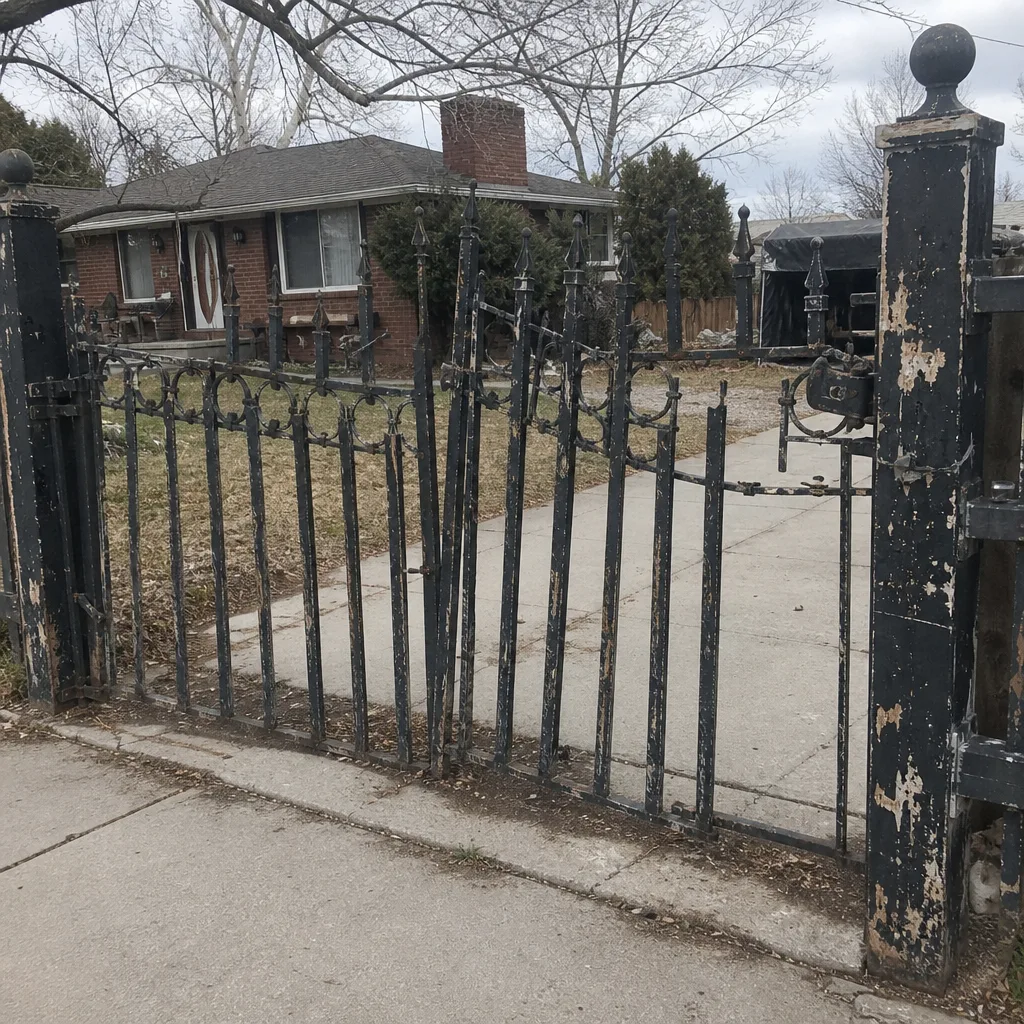
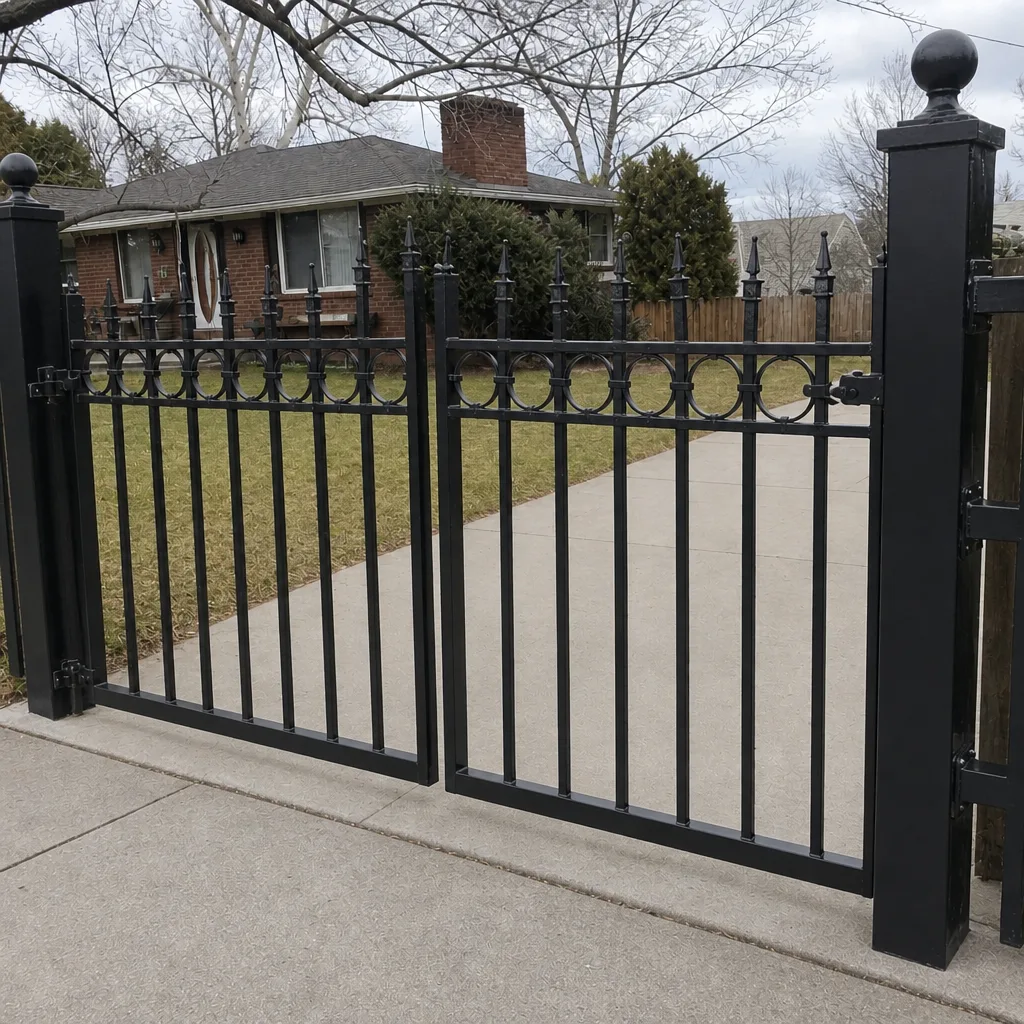
See the difference
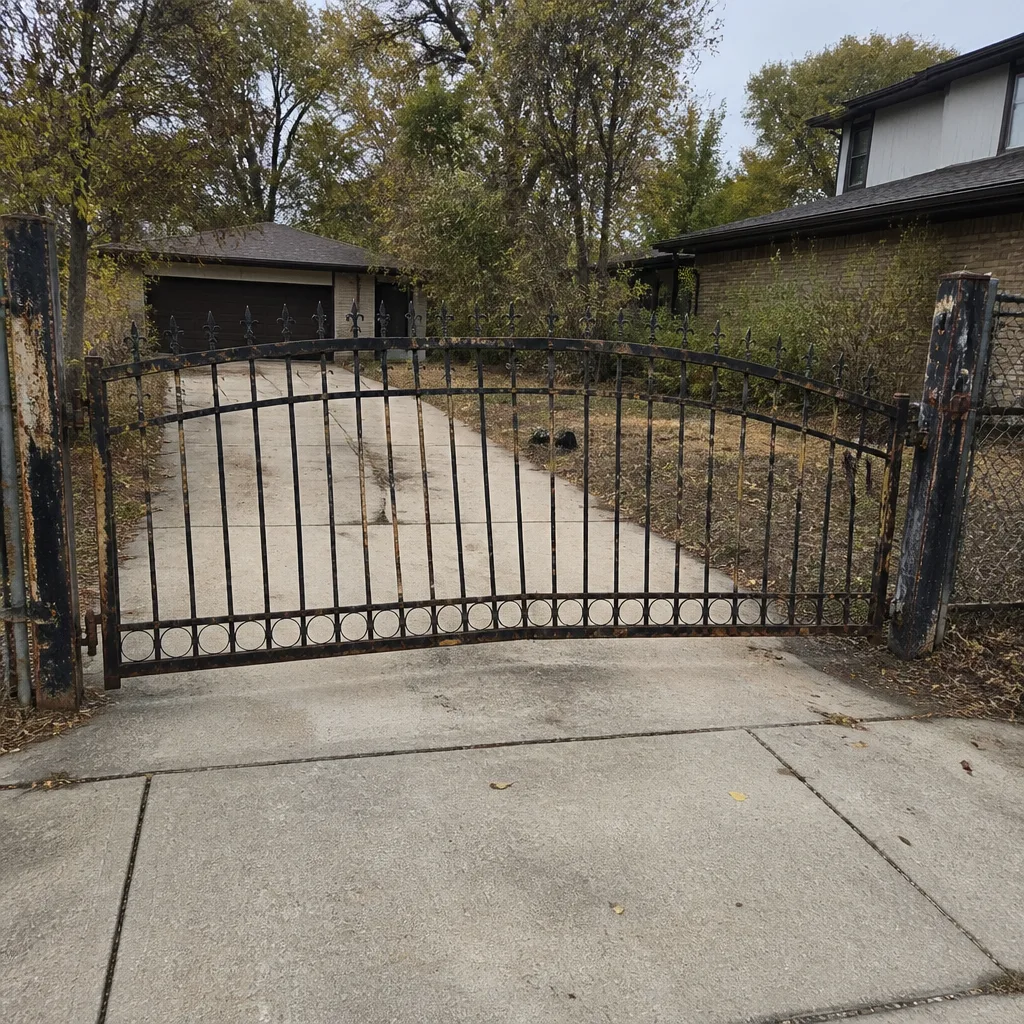 Before
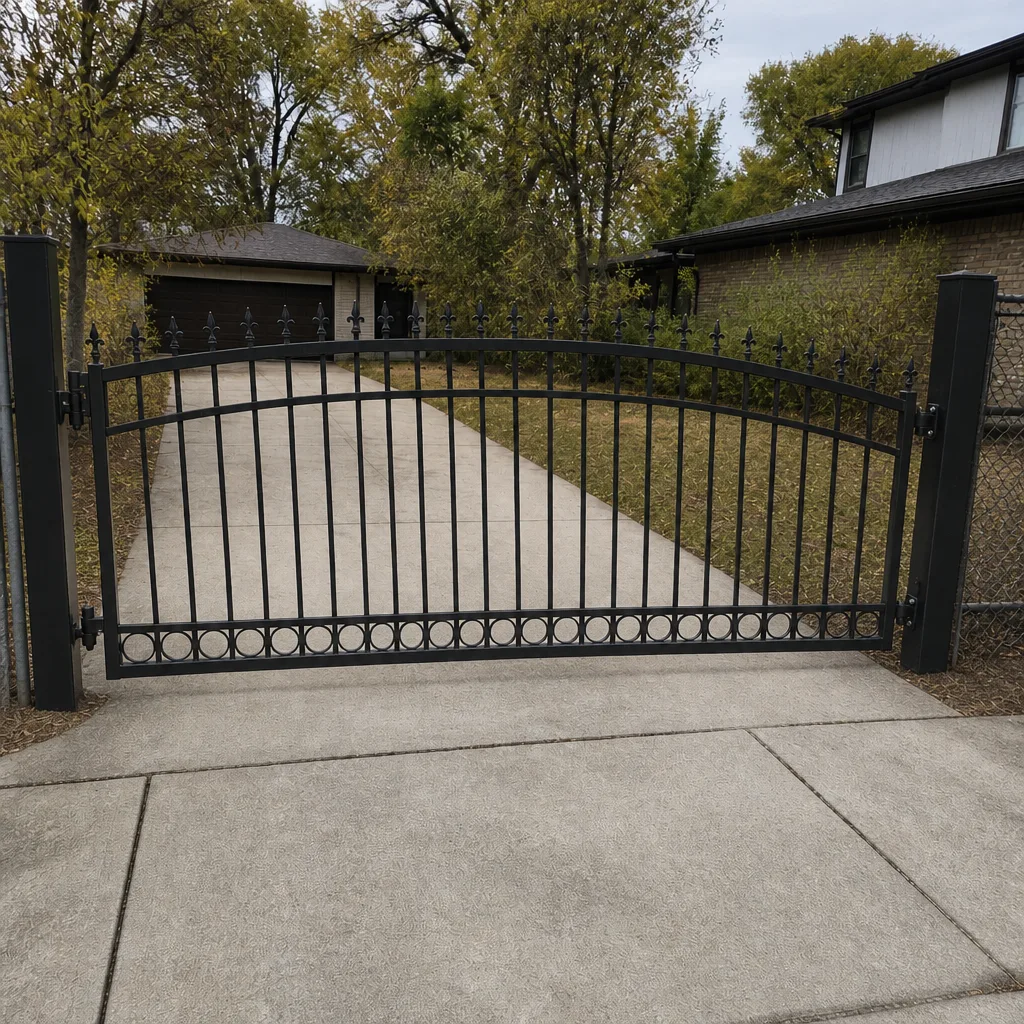 After
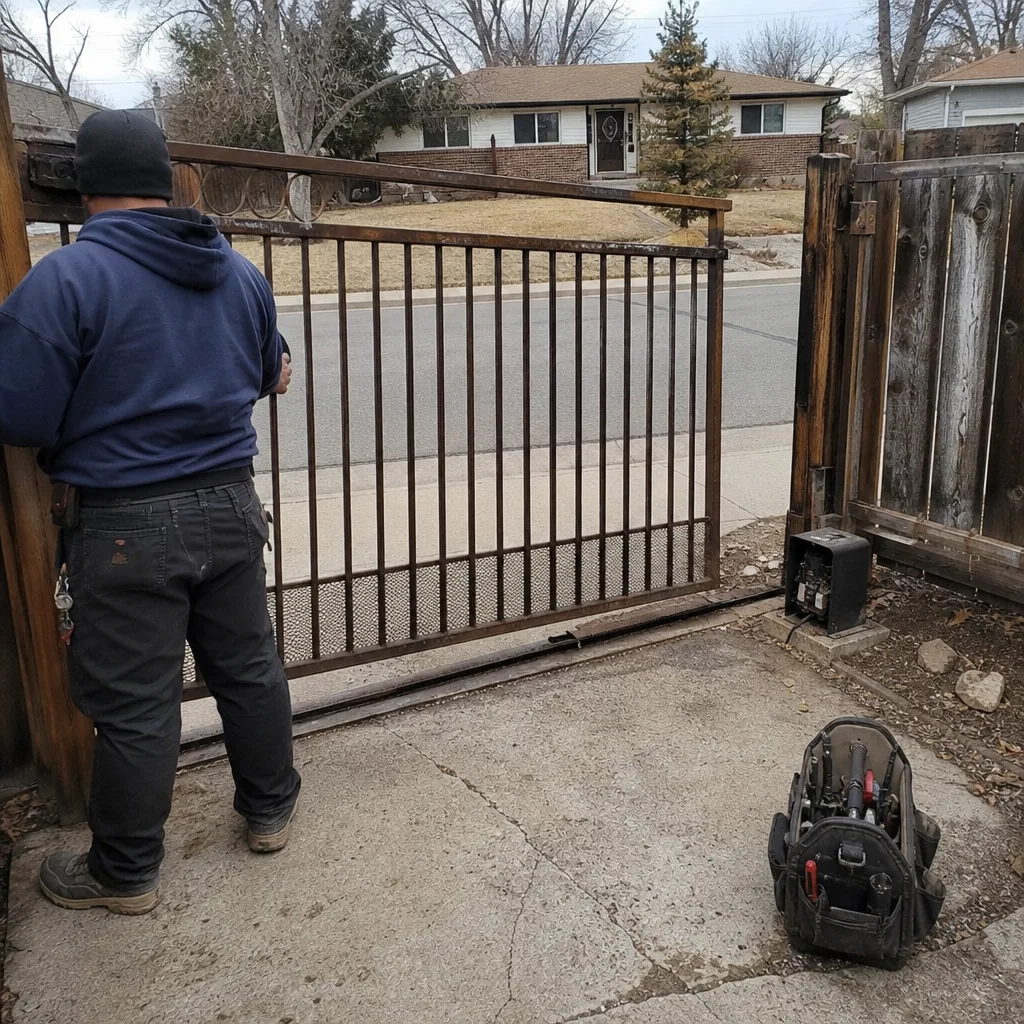 Before
 After
 Before
 After
When to Call a Professional
Call a professional when the gate fails a safety test, when the operator shows electrical symptoms, when the post or footing has moved, or when the same part fails twice in a year. Also call when you’re not sure: a gate that hesitates, reverses randomly, or runs past its limit has a clear cause, and it’s cheaper to diagnose it in one visit than to keep guessing. If you’re working with a brand you’re unfamiliar with, or an older system with no documentation, or an underground operator you’ve never opened, that’s exactly what gate repair is for.
We work exclusively on gates, so every call is one we’re equipped for. Gate Repair Centennial offers free estimates in Centennial. Call (866) 361-9624. We answer 24/7, with fast dispatch from 7am to 7pm, Sunday through Friday. If a gate fails outside dispatch hours, the call is booked into the next opening, Sunday through Friday, 7am to 7pm.
If you’d rather start with the site itself, our Gate Repair Centennial home page is the place. If the work is specifically electrical, electric gate repair covers that in more detail. If you’re not sure whether your gate needs repair or replacement, that’s the conversation to have before spending money. And if you’re nearby and want to see how we handle the local work, our Centennial page has more.
Frequently Asked Questions
Monthly visual checks, quarterly lubrication and hardware tightening, biannual safety-device testing, and a full annual inspection. Add the October pre-winter prep, the March and April post-freeze check, and the July and August drainage review. It sounds like a lot, but most monthly and quarterly tasks take ten to twenty minutes. The professional visits are the annual inspection and any repair the schedule turns up. Call (866) 361-9624 for a free estimate if you’d rather hand the whole schedule off.
Testing the safety devices is the most important single item. Photo eyes and force sensitivity protect people and property, and their failure isn’t visible until it’s tested. Everything else on the schedule protects the gate from wearing out. Safety devices protect the people who use it. If the safety reverse doesn’t work, stop using the automatic function and have it looked at.
The price is set per job by a written estimate before any work starts, and the estimate is free. That’s the fairest way to do it, because a worn roller and a failed control board aren’t remotely the same job. Call (866) 361-9624. We answer 24/7, with fast dispatch from 7am to 7pm, Sunday through Friday, and we’ll quote it before we touch anything.
Often, yes. Many gate failures are common adjustments or worn-part swaps that we can handle on a same-day visit. The dispatch window is 7am to 7pm, Sunday through Friday. If the job needs a specialized part, we’ll tell you so on the visit and schedule the return. Call (866) 361-9624 for a free estimate.
Most electric operator motors last ten to fifteen years with proper maintenance. The components inside them don’t. Batteries, photo eyes, limit switches, and rollers all have shorter lifespans, and replacing them on schedule keeps the motor alive for its full expected life. Skipping the small replacement windows is what shortens the motor’s life.
Call a gate specialist. A general contractor or a garage-door company handles gates on the side, and their diagnostics are usually structural, not electrical. We work exclusively on gates, we’re fluent in motor, operator, and access-control diagnostics, and we handle manual and electric systems from both residential and commercial properties. When your operator is a DoorKing, an Elite, a Viking, or another brand, we’re equipped to diagnose it rather than hand you off. Call (866) 361-9624 for a free estimate.
The Bottom Line
Gate maintenance isn’t a single checklist. It’s a layered schedule. Monthly visual checks keep the gate from surprising you in the middle of a cycle. Quarterly lubrication and hardware tightening prevent most of the repair calls. Biannual safety testing protects the people who use the gate. The annual inspection covers the structure and the operator and gives you a plan for the next twelve months. In Centennial, the seasonal work matters as much as the interval work: October pre-winter prep, March and April post-freeze inspection, and July and August drainage checks. Follow the schedule and gate repair becomes a managed cost instead of an emergency.
If you’d rather hand the calendar off to someone whose only job is gates, we’re here. Call (866) 361-9624 for a free estimate. We answer 24/7. Fast dispatch from 7am to 7pm, Sunday through Friday.
Written by the team at Gate Repair Centennial, serving Centennial since 2014.