
Last updated November 14, 2026
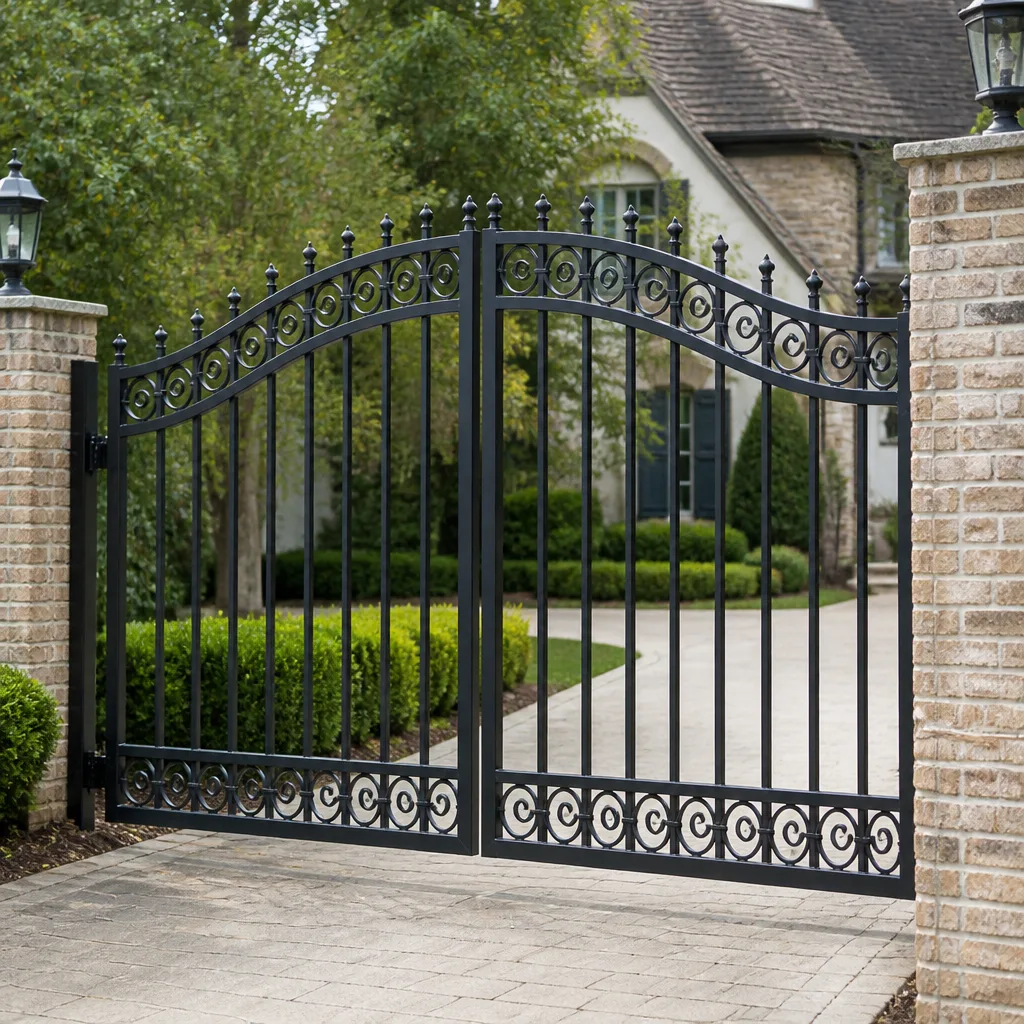 Wrought iron
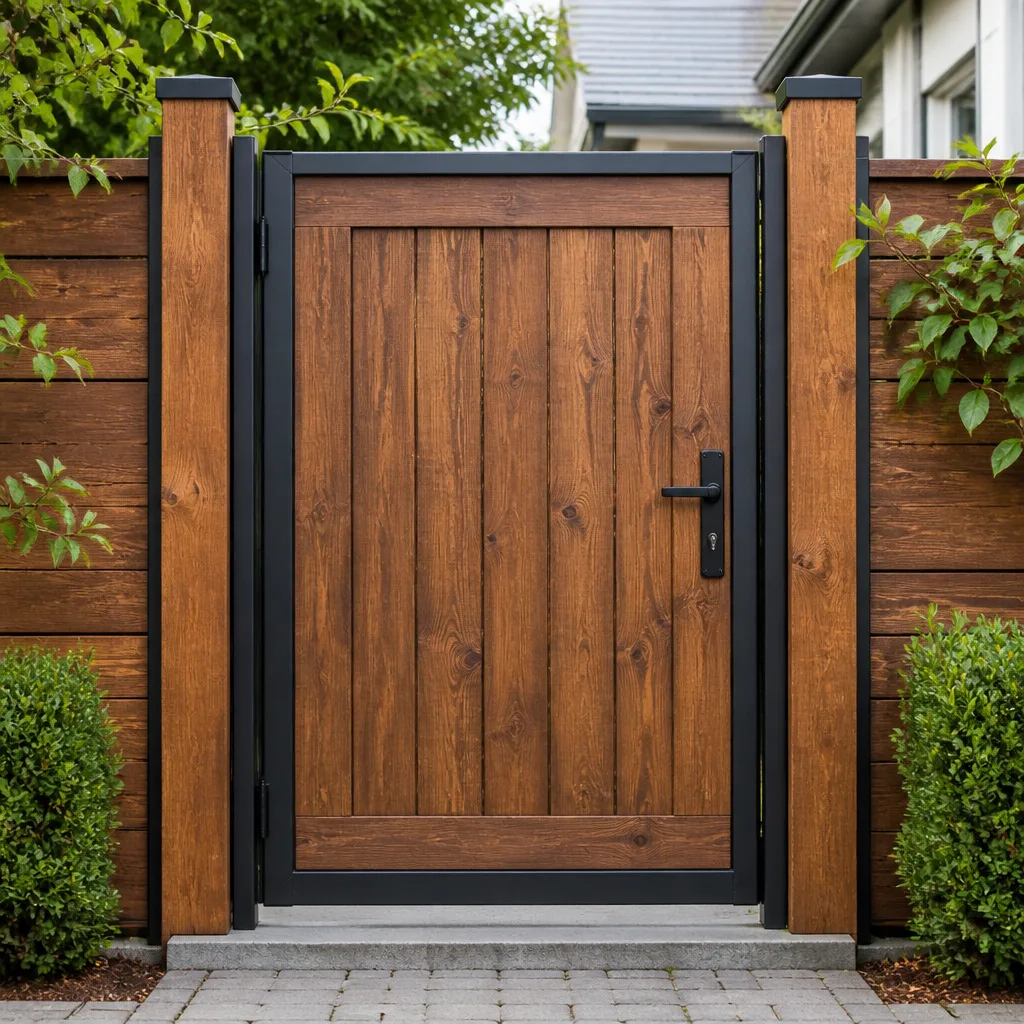 Wood & steel frame
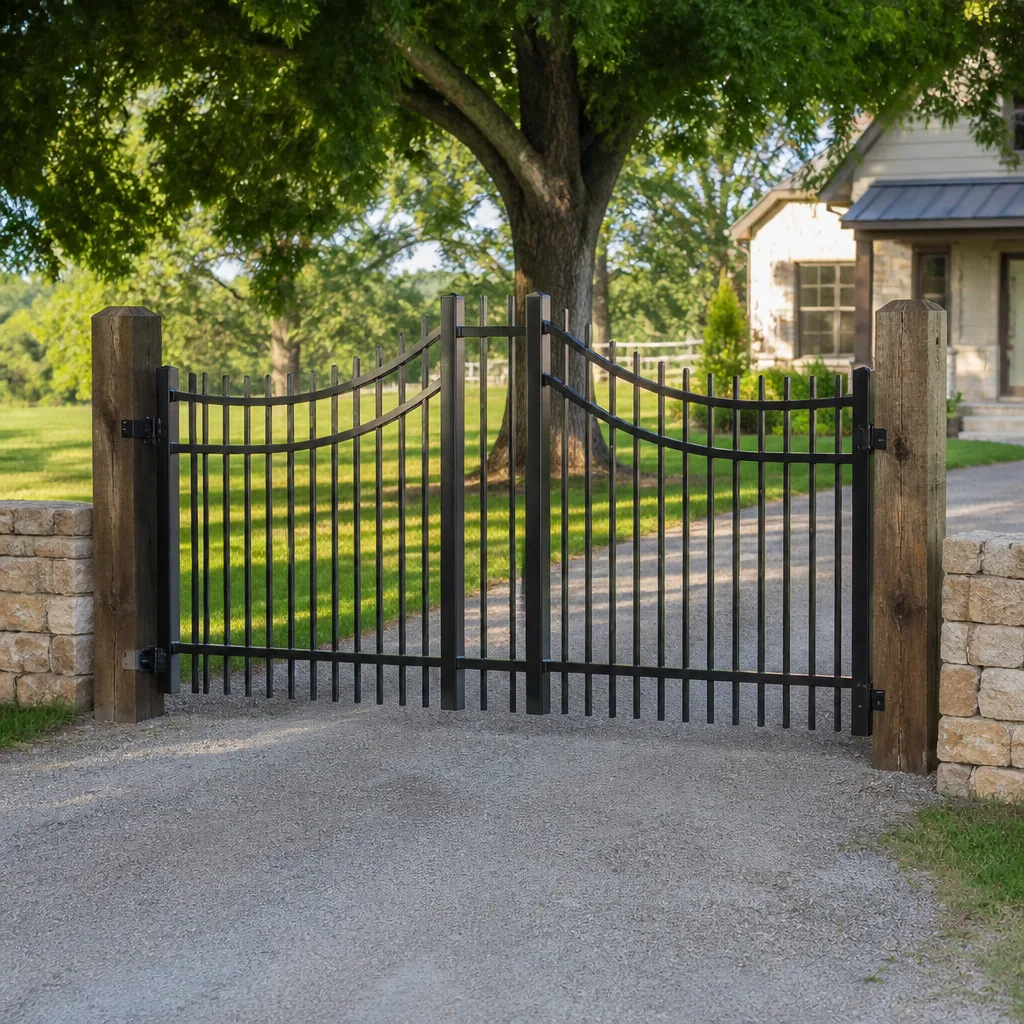 Farm & ranch
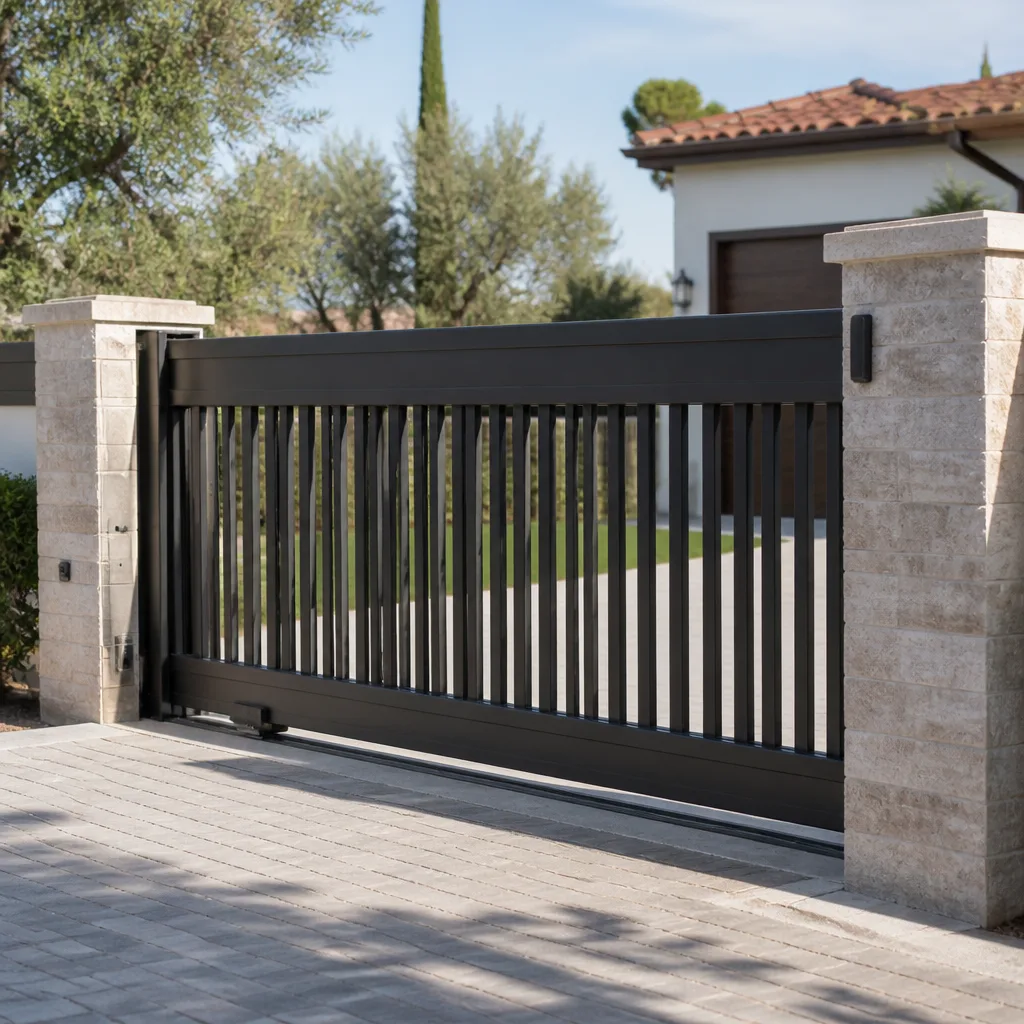 Sliding driveway gates
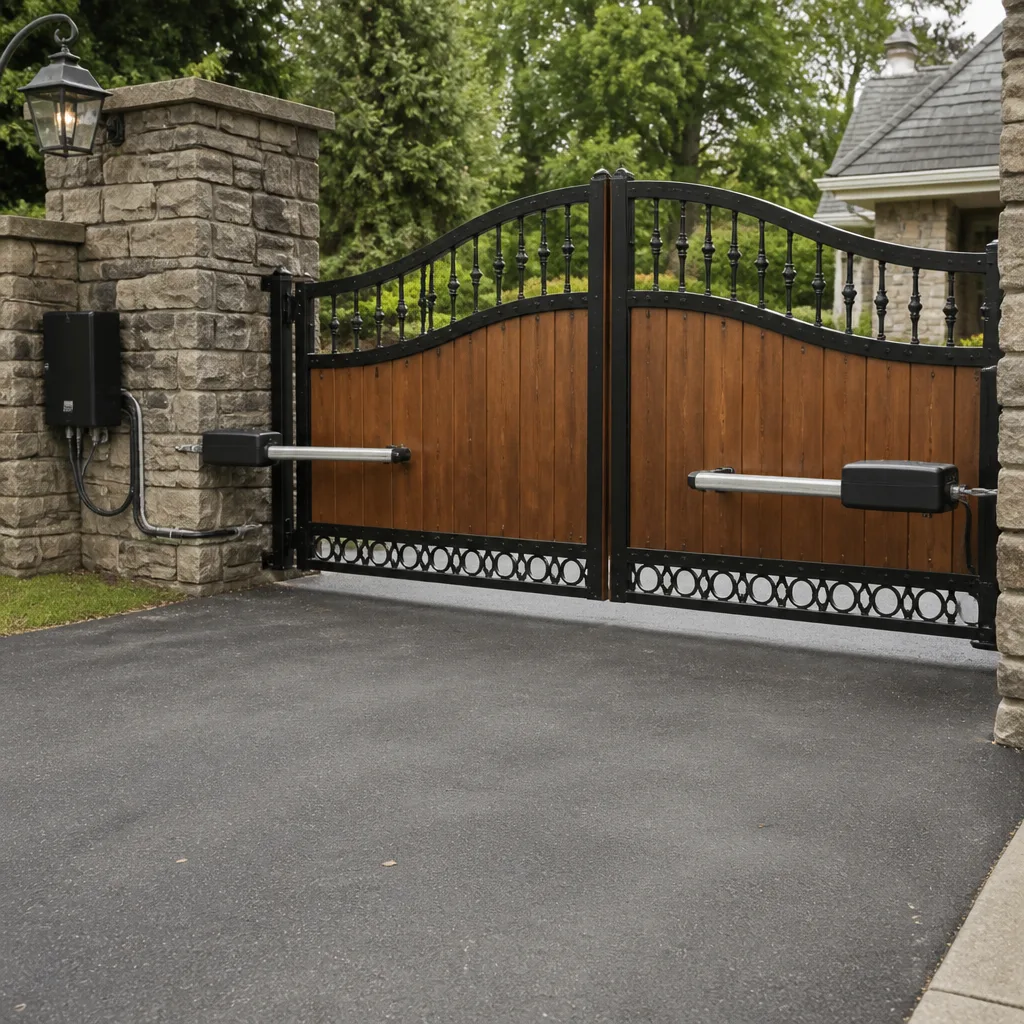 LiftMaster operators
Free on-site gate assessment - hinges, posts, and your LiftMaster or Nice gate operator checked before anything is quoted
The assessment is free and the quote is the invoice.
Get your free estimateGate Repair Permits, Codes & Inspections in Centennial, CO: What You Need to Know
Most people assume a gate is a gate: it swings, it slides, it opens, and when it breaks you fix it. No paperwork. No inspections. No phone calls to the city. That assumption holds up fine for a loose hinge or a sagging latch. It falls apart the moment you add a motor, replace a structural section, or wire an operator into your home’s electrical system. Here in Centennial, the trigger for a permit is almost never “new gate” – it’s scope. Add an electric operator to a gate that was previously manual and you’ve entered a category most handymen never mention. This guide walks through who governs what at your address, which jobs need paperwork, how UL 325 fits in, and what to do if unpermitted gate work shows up during a sale.
Quick Answer
In Centennial, CO, repairs that restore a gate to its original condition – a hinge, a latch, a bent bracket – generally don’t require a permit. Replacing a gate in kind usually doesn’t either, but enlarging it or changing its structural footprint can. Adding an electric operator to a previously manual gate may require an electrical permit, and full new installations with new wiring or new footings typically need review. Because Centennial spans unincorporated Arapahoe County addresses, the authority having jurisdiction depends on your exact parcel and whether your property sits inside an HOA. When in doubt, ask the City of Centennial building department and your county before work starts.
Styles & brands we work with
- Wrought iron
- Wood & steel frame
- Farm & ranch
- Sliding driveway gates
- LiftMaster operators
Table of Contents
- Arapahoe County vs. City of Centennial: Who Governs Your Address?
- The Four Triggers: Repair, Replacement, Electrification, Installation
- How to Check Whether Your Gate Job Needs a Permit
- UL 325 Safety Standards and Why They Matter for Insurance and Liability
- HOA Overlay Rules in Centennial Developments
- What Happens When Unpermitted Gate Work Surfaces at a Home Sale
- Repair or Replace? Where Permits Fit Into That Decision
- What to Ask a Contractor Before They Touch Your Gate
Arapahoe County vs. City of Centennial: Who Governs Your Address?
The first question isn’t “does this need a permit?” It’s “who would issue it?” Centennial is one of the few Colorado cities where the answer genuinely slows people down. The city incorporated in 2001, but a significant number of addresses with a Centennial mailing address sit in unincorporated Arapahoe County rather than inside city limits. Those two facts don’t match what most residents expect, and they change who reviews your gate project.
Here’s how we explain it to customers who call us confused:
- Inside Centennial city limits: the City of Centennial’s building and permitting office is your authority. They review electrical, structural, and site work associated with gate installation.
- Unincorporated Arapahoe County addresses: Arapahoe County handles the permit, not the city, even though your mail says Centennial.
- HOA-governed properties: your association’s architectural review committee adds another layer on top of whichever government body governs your lot.
- Commercial and multi-family parcels: often reviewed differently than a single-family driveway gate, especially where access control wiring and fire lane clearance come into play.
The practical takeaway: don’t guess. Look up your parcel. Call (866) 361-9624 if you want the short explanation, or call the city and county directly with your address. Whichever authority governs you, that’s the one that will be contacted if a sale inspector or insurance adjuster asks questions later. Getting this one fact wrong is the root of most unpermitted gate work in Centennial.
The Four Triggers: Repair, Replacement, Electrification, Installation
Permit requirements aren’t one rule applied uniformly. They’re four categories with different answers. Understanding the difference is what stops a homeowner from either skipping paperwork they needed or paying for a permit on a job that never required one.
1. Structural repair
Repairing a gate that already exists – hinging a sagging post back to plumb, replacing a rusted section of frame, straightening a slide track – is generally treated as maintenance. This is the kind of work we handle on a gate repair call without permit talk. It restores the gate to what it was, it doesn’t change what it is. That said, if your repair involves cutting into a concrete footing or extending a post into new ground, some jurisdictions want to see it. Confirm with your authority having jurisdiction if the repair is anything beyond hardware.
2. Replacement in kind
Taking down a gate and putting back an identical one in the same location, same size, same footprint, is usually a paperwork-free swap. Sizing up – making the gate higher, wider, or heavier than the original – can cross into structural territory because the load on the post and footing changes. An installer who never asks about size before quoting isn’t asking the right questions.
3. Electrification
This is the trigger most people miss. Adding an electric operator to a previously manual gate is a modification, not a repair. It changes how the gate operates, adds a powered device with its own electrical circuit, and introduces new safety obligations under UL 325. In Centennial, adding a motor to a manual gate may require an electrical permit. Most handymen installing operators won’t mention this because most handymen aren’t licensed to do electrical work at all. Our electric gate repair technicians ask about existing permits on every new call, because we’ve seen too many old installs with no paper trail behind them.
4. New installation
A brand-new gate with new posts, new footings, and new wiring almost always qualifies for permit review. This isn’t gate-specific – most cities require a permit for new structural and electrical site work. New gates at Centennial homes tend to hit this because the installer is pouring fresh footings and running conduit. Plan the timeline with that in mind. Installation is measured, ordered, and scheduled; it isn’t the same-day category.
How to Check Whether Your Gate Job Needs a Permit
Here’s the sequence we walk customers through when they call. It works for a residential driveway gate in Centennial just as well as it does for an HOA entrance or a small commercial lot.
- Identify your authority having jurisdiction. Pull up your parcel on the county assessor’s site. Note whether your address is inside city limits or unincorporated county. Write down the office and phone number.
- Describe the scope in plain language. Say “adding a motor to a manual sliding gate” or “replacing a 12-foot swing gate in kind.” Don’t say “gate work” – vague descriptions get vague answers.
- Ask specifically about electrical. If a motor, keypad, intercom, loop detector, or safety sensor is going in, ask whether an electrical permit is required and who is licensed to pull it.
- Check your HOA architectural review rules. Even with a clean municipal answer, your association may require an approval before installation. Get it in writing.
- Ask for the inspection sequence. Some electrical inspections happen before the operator gets closed up. Skipping that step can mean cutting sheet metal open later.
- Keep the paperwork. Permit number, final inspection sign-off, and any product documentation in a file with your home records. This matters at resale, and adjusters ask for it after a claim.
The whole process usually takes one phone call once you know who to call. The delay isn’t the paperwork – it’s the discovery after the fact that paperwork was skipped. If you’re not sure where to start, call (866) 361-9624 and we’ll point you at the right office for your Centennial address.
UL 325 Safety Standards and Why They Matter for Insurance and Liability
UL 325 is the safety standard for automated gate operators. It covers things like entrapment protection, sensor placement, reversing behavior, and warning signage. It’s been the reference standard in the industry, and every new operator sold in the US today is designed around it. That’s the technical side.
The practical side is what most homeowners only learn the hard way. When an automated gate causes injury or property damage, the first question asked by an insurance adjuster or attorney is: was this gate installed and maintained to UL 325? If the answer is unclear because there’s no documented installation, no inspection record, and no safety sensor visible, the claim gets messier than it needs to be. Where the powered gate fronts a street, a sidewalk, or a shared HOA drive, this matters even more.
What UL 325 compliance looks like in practice
- Photoelectric sensors (safety beams) or equivalent entrapment detection present and functioning on every automated gate that crosses a public or shared pedestrian path.
- Warning signage posted in a visible location near the gate’s travel path.
- The operator responds correctly when a sensor is tripped mid-travel – reversing or stopping as the standard requires.
- Installation was performed by someone who understands both the mechanical gate and the electrical circuit, not just one half.
This is where gate-exclusive work pays off. We work exclusively on gates – it’s the only thing we do – which means UL 325 electronics are routine. Whether your operator is a FAAC or a BFT or a Linear, we test entrapment behavior as part of the diagnosis. If your current gate has no safety sensors and no documentation, that’s a flag worth addressing before something goes wrong. Call (866) 361-9624 if you want us to look. Estimates are free.
HOA Overlay Rules in Centennial Developments
Most Centennial residential neighborhoods are governed by a homeowners association, and the HOA adds a parallel rulebook on top of the city or county permit. Even when no municipal permit is required, the HOA may still want an architectural review application, design consistency with the rest of the community, and advance notice of the work.
The interactions get tricky in a few predictable ways:
Design consistency vs. modernization
An HOA might have rules that predate electric operators – for example, a gate style that was fine for manual operation but doesn’t accommodate an operator housing cleanly. Replacing a manual gate with an automated one of the same style often requires HOA approval because the operator enclosure or sensor posts become visible additions. We see this on LiftMaster and Linear installs where the operator box needs to be tucked behind existing masonry. It’s manageable, but it needs a conversation before ordering equipment.
Shared entry systems
For HOA-controlled common-area gates, the association board is effectively the customer, and cleanup after a failure or replacement runs through the board. That means board approval, budget approval, then permit checks, then scheduling. Our commercial and HOA gate work runs on that same order. Everything gets easier if the HOA architectural review happens before the permit is filed, not after.
Deed restrictions that go beyond code
Some Centennial HOAs have restrictive covenants that go further than the municipal code. Height limits, setback rules, material requirements, even color specifications. A gate that passes permit inspection can still fail HOA review, and vice versa. Read your HOA documents before you sign a contract, not after.
If it helps, ask us for the technical details your HOA will want – operator model, sensor placement, and proposed footprint – so you can submit a clean application. If your HOA has never approved an electric operator before, we can walk through the safety elements with them. Call (866) 361-9624 with your community’s name and we’ll get the right information together.
What Happens When Unpermitted Gate Work Surfaces at a Home Sale
This is the part of gate permitting that actually gets expensive, and it has nothing to do with the gate. When you sell a Centennial home, your buyer’s inspector will open and close the gate, check the operator, and note anything that looks modified. If the operator was installed without a permit and there’s no inspection record, the buyer’s agent will ask for documentation. If there isn’t any, the sale can stall until it’s resolved.
What remediation typically involves:
- Disclosure first. If you know the operator was installed without a permit, disclose it on the seller’s property disclosure. Buyers accept unpermitted work that’s been properly permitted after the fact. They push back on surprises.
- Retroactive permit application. Most jurisdictions allow a homeowner to apply for a permit after the fact. The application triggers an inspection of the existing installation.
- Bring the work up to current standards. That may mean adding safety sensors that weren’t part of the original install, repairing wiring that wasn’t done to code, or replacing an operator that isn’t UL 325 compliant. In most cases these are the exact parts that should have been there the first time.
- Final inspection sign-off. Once the installation passes inspection, you get a record that closes the loop for the buyer’s lender and inspector.
- Document everything in the sale file. Permit number, inspection sign-off, and operator model documentation all go into the disclosure packet.
Timeline-wise, moving through this during escrow is possible if you start early. Starting after the inspection report comes back is a scramble. If a prospective buyer’s inspector flagged your Centennial gate and you need the electrical work corrected quickly, call (866) 361-9624. Same-day service on electrical gate issues is often possible. We answer 24/7 and dispatch from 7am to 7pm, Sunday through Friday, closed Saturday.
Repair or Replace? Where Permits Fit Into That Decision
Permitting is one of several inputs to the repair-or-replace decision. The other inputs are the age of the gate, the age of the operator, whether parts are still available for the existing brand, and what the whole assembly is going to cost to bring into compliance. Here’s how permit questions shift depending on the answer.
When repair is usually the right call
- The gate structure itself is sound – posts, tracks, and panels all in good condition.
- The problem is a single component: a failed operator board, a stuck solenoid, a snapped hinge, a dead sensor.
- No structural or electrical scope change is on the table. Repair-and-restore jobs almost never trigger a permit.
- The existing installation was permitted originally, so the paper trail is already there.
When replacement tends to make more sense
- The gate is nearing the end of its service life and the operator is a model that’s hard to source parts for.
- The gate is undersized for how it’s actually used, so it needs a structural change anyway – another reason to sort out the permit path first.
- The current install lacks UL 325 safety sensors and needs them added regardless.
- The operator brand is one we can still service (we handle LiftMaster, FAAC, BFT, Linear, Viking, Ghost Controls, DoorKing, Elite, and Mighty Mule) but the surrounding structure is beyond saving.
Where we see homeowners get this wrong is treating replacement as a way to avoid a permit. It runs the other way. Repair-restore usually runs under the radar. Replacement runs into the inspection queue. Ask your contractor which category your job falls into before you sign, and if they can’t say, that’s the wrong contractor. We’re happy to look at Centennial gates of any age and tell you which direction makes more sense for your situation. Call (866) 361-9624 and estimates are free.
What to Ask a Contractor Before They Touch Your Gate
Permits are the easy part once you have the right contractor. The hard part is finding one who actually knows the process and treats gate work as their specialty rather than a side project between fence installs and garage door tune-ups. Here’s the checklist we tell customers to run through before signing anything.
- Ask what they specialize in. A gate-exclusive company understands the permit triggers. A general contractor or garage-door company doing gates “on the side” usually doesn’t. There’s a difference between an operator install by someone who wires gates professionally and one by someone who wires gates once a month.
- Ask who pulls the electrical permit. If the answer is “we’ll handle it” but the person installing the motor isn’t licensed for electrical work, walk. If the answer is “you’ll need to hire an electrician separately,” that’s fine as long as it’s said up front.
- Ask how they diagnose a failure. “The gate won’t open” has a dozen causes. A brand-agnostic diagnostic means the technician checks the gate mechanically, the operator, the safety sensors, and the control board before recommending a part. If they can only troubleshoot one brand, they’ll blame the brand when the real problem is elsewhere.
- Ask for the estimate in writing, with scope spelled out. Before any work begins, the price is quoted and agreed. Any company that won’t put scope in writing is asking you to trust an invoice later.
- Ask what documentation you’ll get. UL 325 sensor placement diagram, operator model number, and any permit paperwork. All of that ends up in your home file.
The good news is that gate work in Centennial has a fairly narrow pool of specialists who can answer these five questions confidently. If you’re not sure, call (866) 361-9624 and we’ll talk through the job. We work exclusively on gates – it’s the only thing we do. From a bent hinge to a failed motor board, diagnosed and repaired.
Common Mistakes to Avoid
- Assuming a Centennial mailing address means Centennial city limits. A meaningful number of Centennial addresses are unincorporated Arapahoe County. Filing with the wrong office means your permit gets kicked back and your install timeline slips. Confirm the parcel before you apply.
- Letting a handyman install the operator. Most handymen who install gates don’t carry the electrical licensing to pull the permit that electrification requires. It works fine until an inspector or a buyer’s agent asks for the paperwork.
- Skipping HOA review because the city didn’t require a permit. HOA rules and municipal permits are two separate gates. Passing one doesn’t mean you cleared the other. Architectural review committees have their own timelines.
- Installing an operator with no safety sensors or signage. UL 325 entrapment protection isn’t optional. A powered gate that crosses a pedestrian path or shared driveway needs photoelectric sensors. Skipping them puts you in a weak position on both liability and insurance claims.
- Cutting corners on the post footing. A larger or heavier gate needs a deeper footing, not just a bigger post. Footing changes can turn a repair into a scope that needs permit review, which most homeowners don’t realize until the inspector asks.
- Waiting until the home sale to gather documentation. If the operator was installed without a permit, the right time to file a retroactive permit is now, not the week before closing. Escrow timelines don’t care about inspection queues.
- Letting a contractor “handle” the paperwork without a copy in your hand. You need the permit number and the inspection sign-off. It goes in your home file the day the job is done, not the day of the sale.
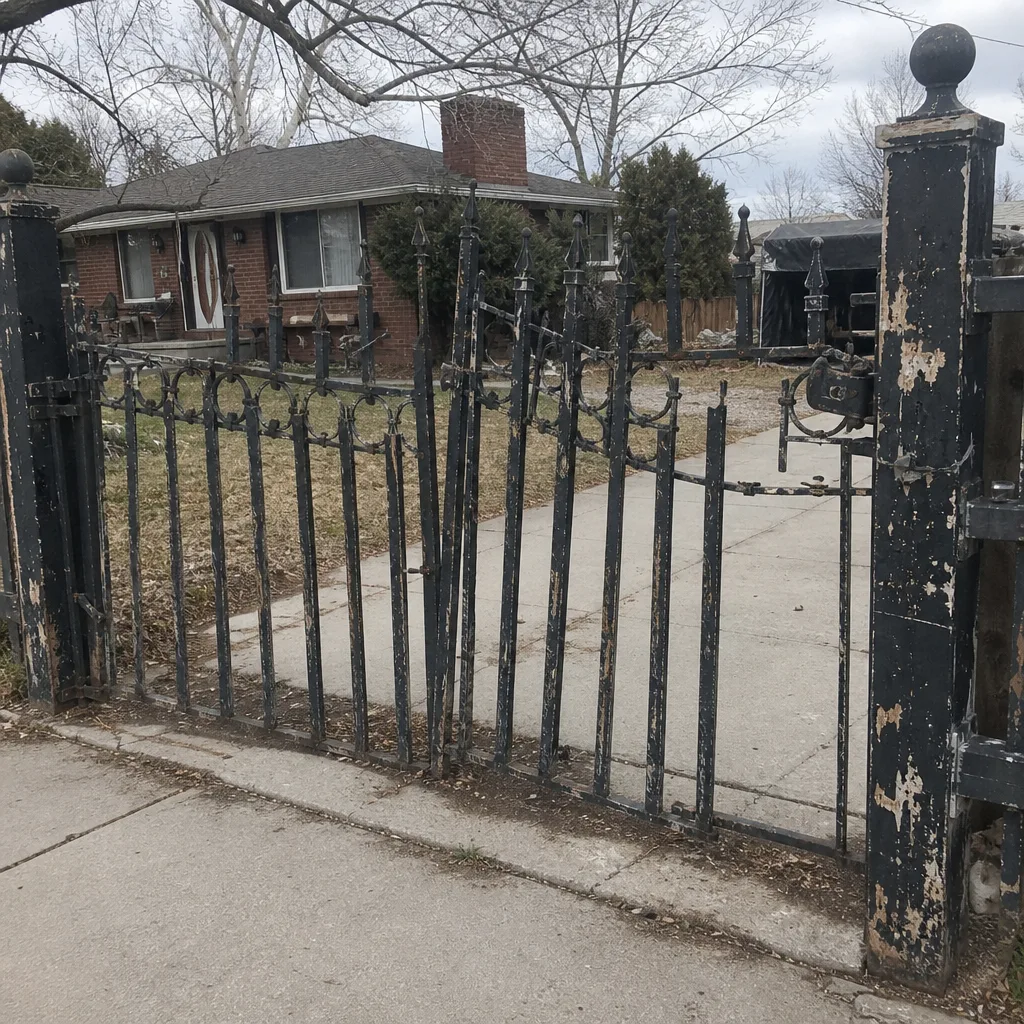
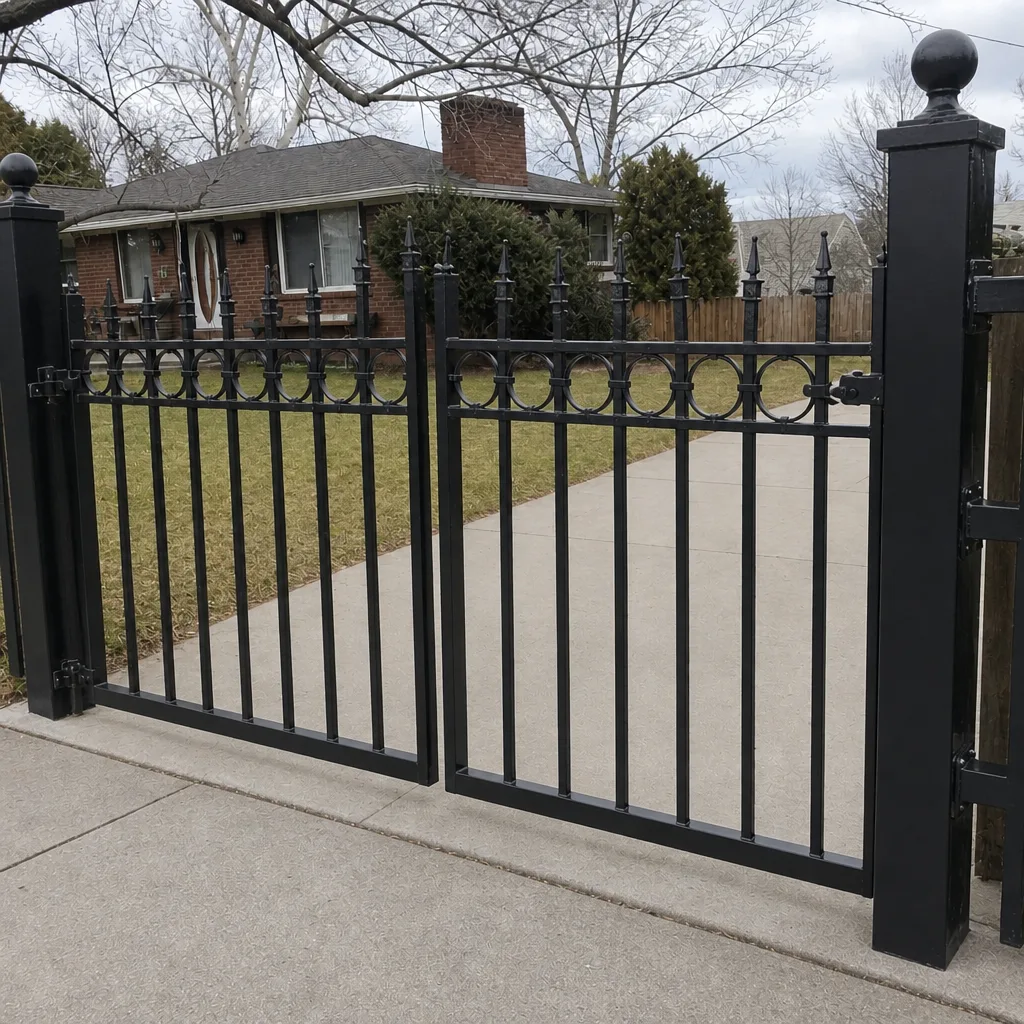
See the difference
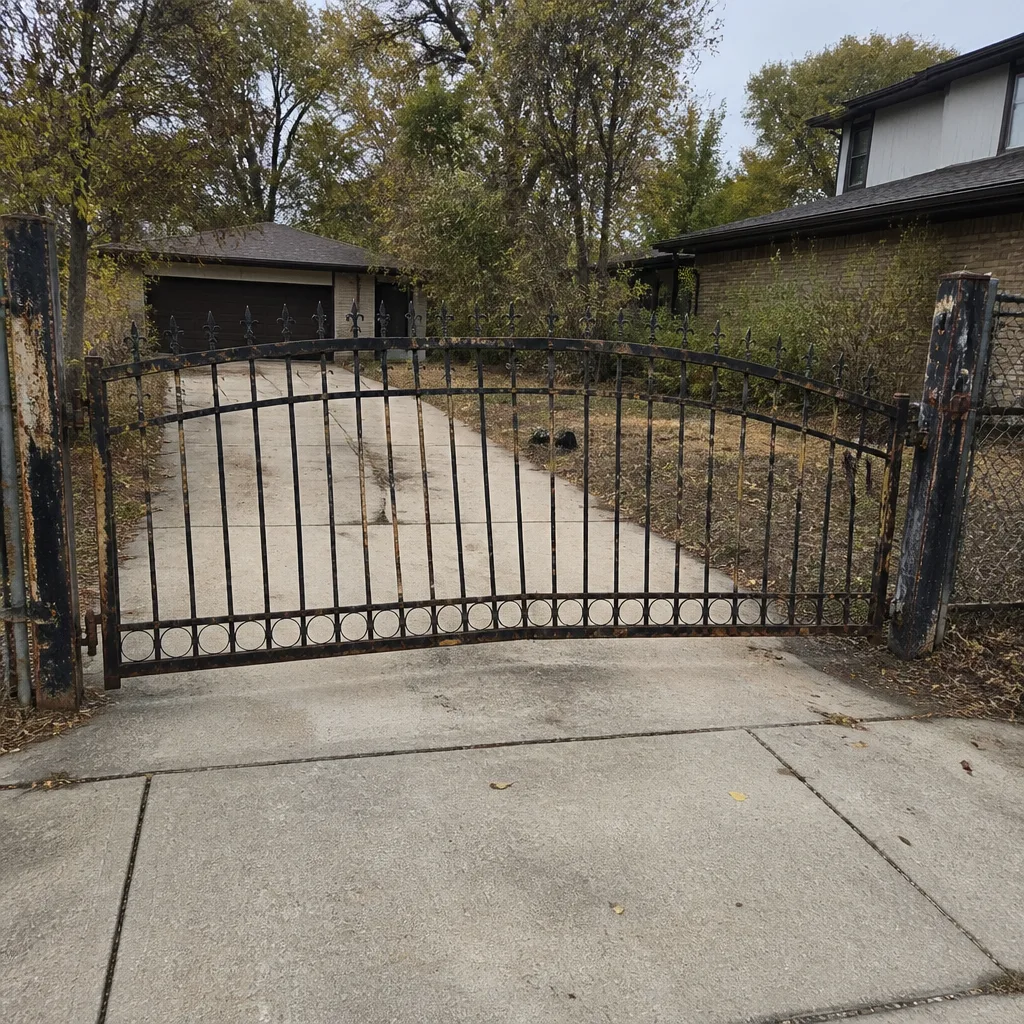 Before
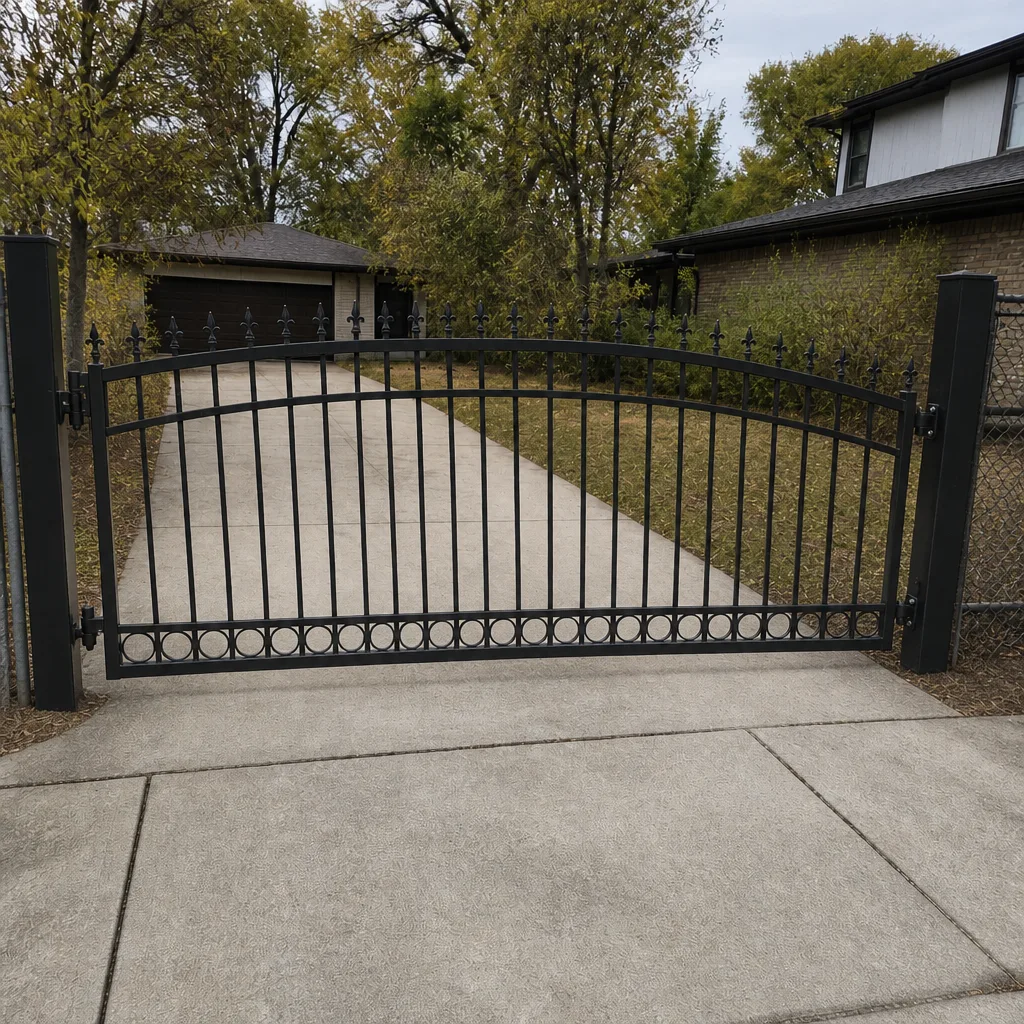 After
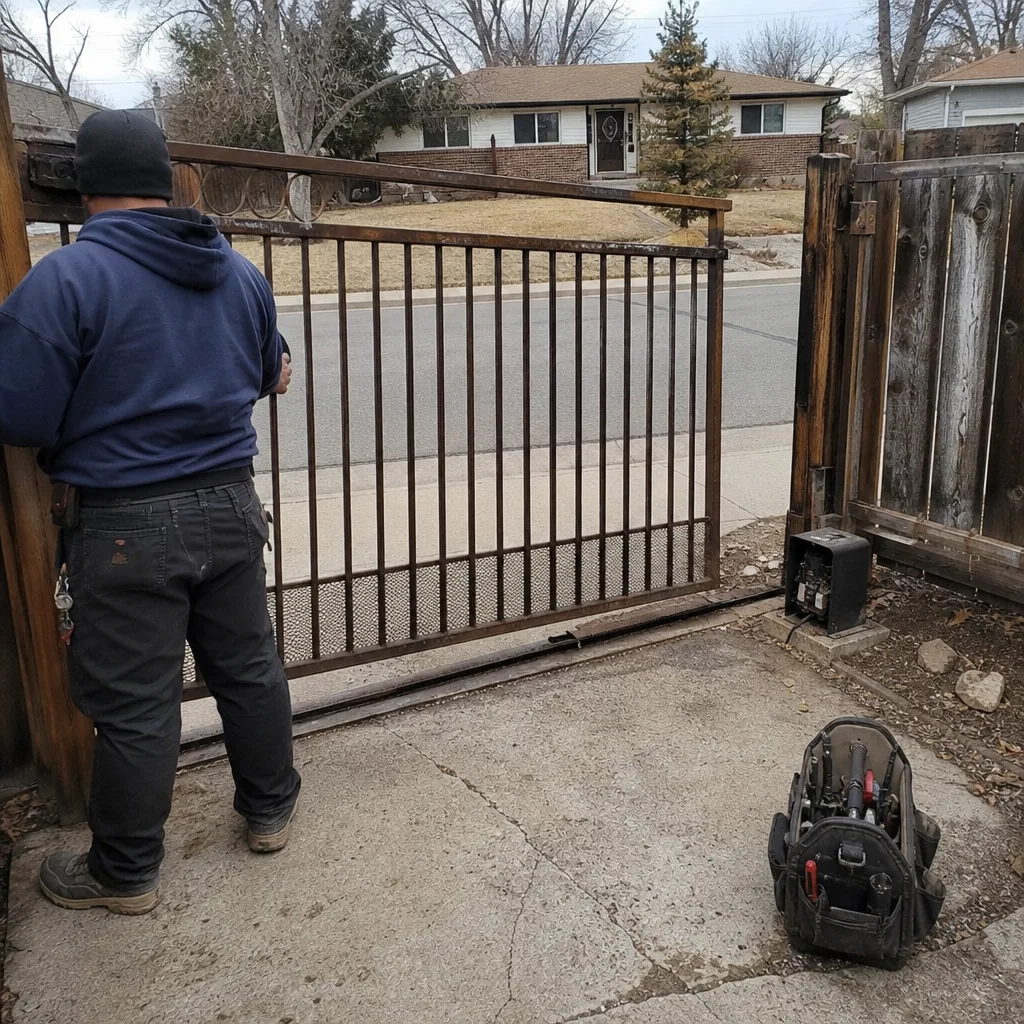 Before
 After
 Before
 After
When to Call a Professional
Most gate problems are worth a phone call rather than a trip to the hardware store. The clearest cases: your gate stops mid-open and stays there; the operator runs but the gate doesn’t move; a sensor trips and can’t be reset; the gate comes off the track; a manual gate has started behaving like it’s on a light timer. On the install side, adding an electric operator to a manual gate, replacing a gate with a structurally different one, and adding access control wiring are all jobs where paperwork, licensed electrical work, and safety sensors all come into play at once. Gate Repair Centennial offers free estimates in Centennial – call (866) 361-9624. We answer 24/7. Fast dispatch from 7am to 7pm, Sunday through Friday, closed Saturday. Whether your operator is LiftMaster, FAAC, Viking, or anything in between, we know it.
Frequently Asked Questions
Usually not. Repairs that restore a gate to its existing condition – hinges, latches, brackets, tracks – are generally maintenance and don’t require a permit in Centennial. The trigger for permitting is a change in scope: electrification, structural sizing changes, or new installation. Call (866) 361-9624 for a free estimate if you’re not sure which category your job falls into.
Often yes, because adding a motor to a manual gate is a modification, not a repair, and it introduces new electrical work. Most cities require an electrical permit for that scope, and Centennial is no different in principle, though the exact requirement depends on your authority having jurisdiction. The safe move is to confirm with the city or county before installation starts. Call (866) 361-9624 and we’ll tell you what the process typically involves.
It depends on whether your address is inside Centennial city limits or in unincorporated Arapahoe County. The mailing address alone doesn’t tell you – a lot of Centennial addresses sit in the county. Look up your parcel or call the city and county directly with your address. We can point you at the right office, but the authority itself has to answer. Call (866) 361-9624 for guidance.
UL 325 is the safety standard for automated gate operators, covering entrapment protection, sensors, and reversing behavior. Powered gates in Centennial should comply, both because it’s the safe and defensible standard and because insurance claims and legal exposure hinge on it. Any automated gate crossing a pedestrian path or shared driveway needs photoelectric sensors and warning signage. Call (866) 361-9624 for a free estimate to check yours – we work with FAAC, BFT, Linear, and Viking operators routinely.
Yes, HOA architectural review can hold up a gate project even when no municipal permit is required. Most Centennial HOAs want an application, design consistency with the community, and advance notice. The key is to run HOA review in parallel with – not after – your permit path so neither one becomes a surprise. Call (866) 361-9624 and we’ll help you put together the technical details your board will want.
The buyer’s inspector will likely flag it, and the sale can stall until it’s resolved. The usual remedy is a retroactive permit, a correction to bring the install up to current safety standards (often adding UL 325 sensors and signage), and a final inspection sign-off. Do it now rather than during escrow. Call (866) 361-9624 if your current install needs to be brought into compliance – we’ll look at it and give you a written estimate.
The Bottom Line
Gate permitting in Centennial isn’t complicated once you know the four triggers. Structural repair and in-kind replacement usually skip the permit. Electrification and new installation usually cross into paperwork territory. The one fact that trips up almost everyone is jurisdiction – – Centennial mailing addresses don’t all sit inside the city, and filing with the wrong office wastes weeks. Beyond the permit itself, UL 325 safety sensors and warning signage belong on every automated gate, both for the people who use it and for the paper trail you’ll want at resale. Get HOA review and permit review running in parallel, ask your contractor the five questions in this guide, and keep the paperwork in your home file.
If your Centennial gate job touches any of this and you want someone who does gates and only gates, call (866) 361-9624 for a free estimate. From a bent hinge to a failed motor board, diagnosed and repaired. Whether your operator is LiftMaster, FAAC, BFT, Linear, Viking, or another brand entirely, we’ve worked on it. We answer 24/7. Fast dispatch from 7am to 7pm, Sunday through Friday, closed Saturday. Our technicians look at the mechanical gate and the electronics together, because that’s what the job actually requires. Gate Repair Centennial handles repair, electric gate repair, and full installation – one company for every stage of a gate’s life.
Written by the team at Gate Repair Centennial, serving Centennial since 2014.