
Last updated November 14, 2026
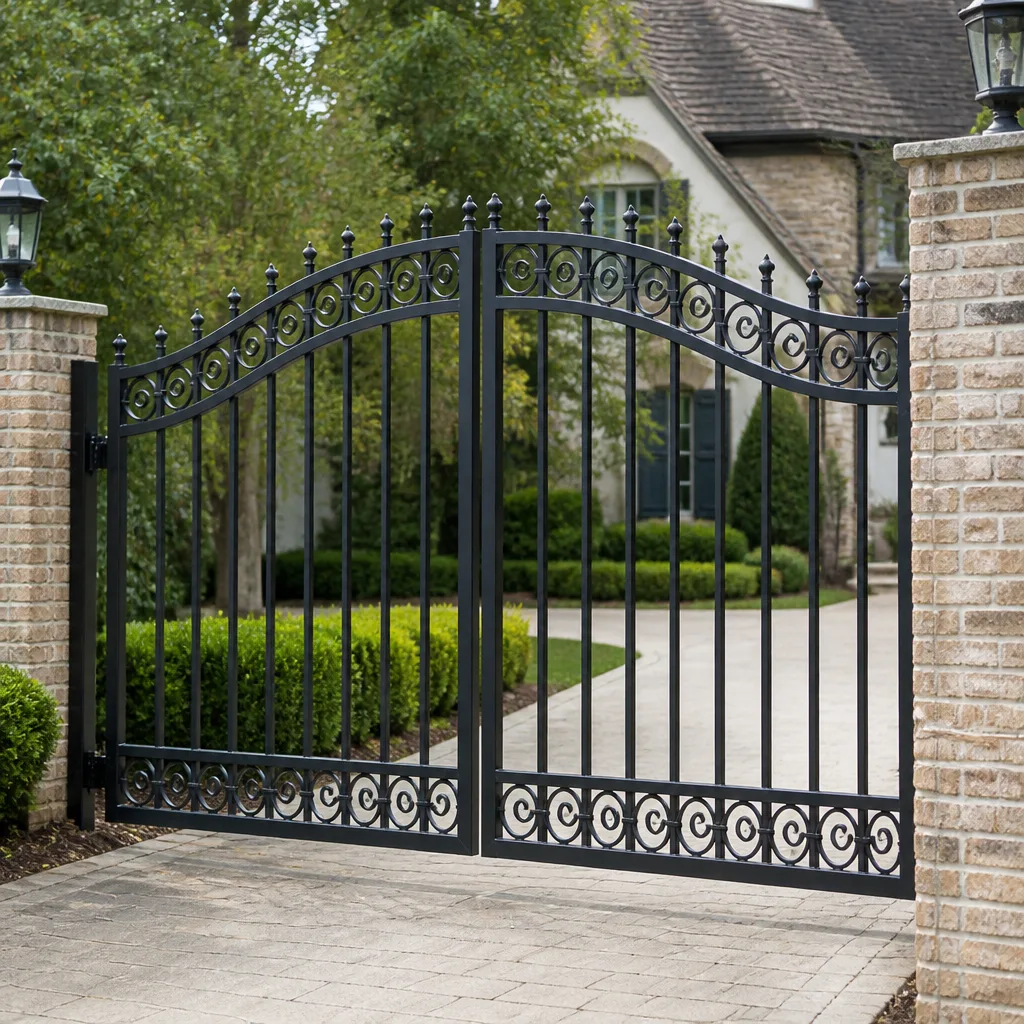 Wrought iron
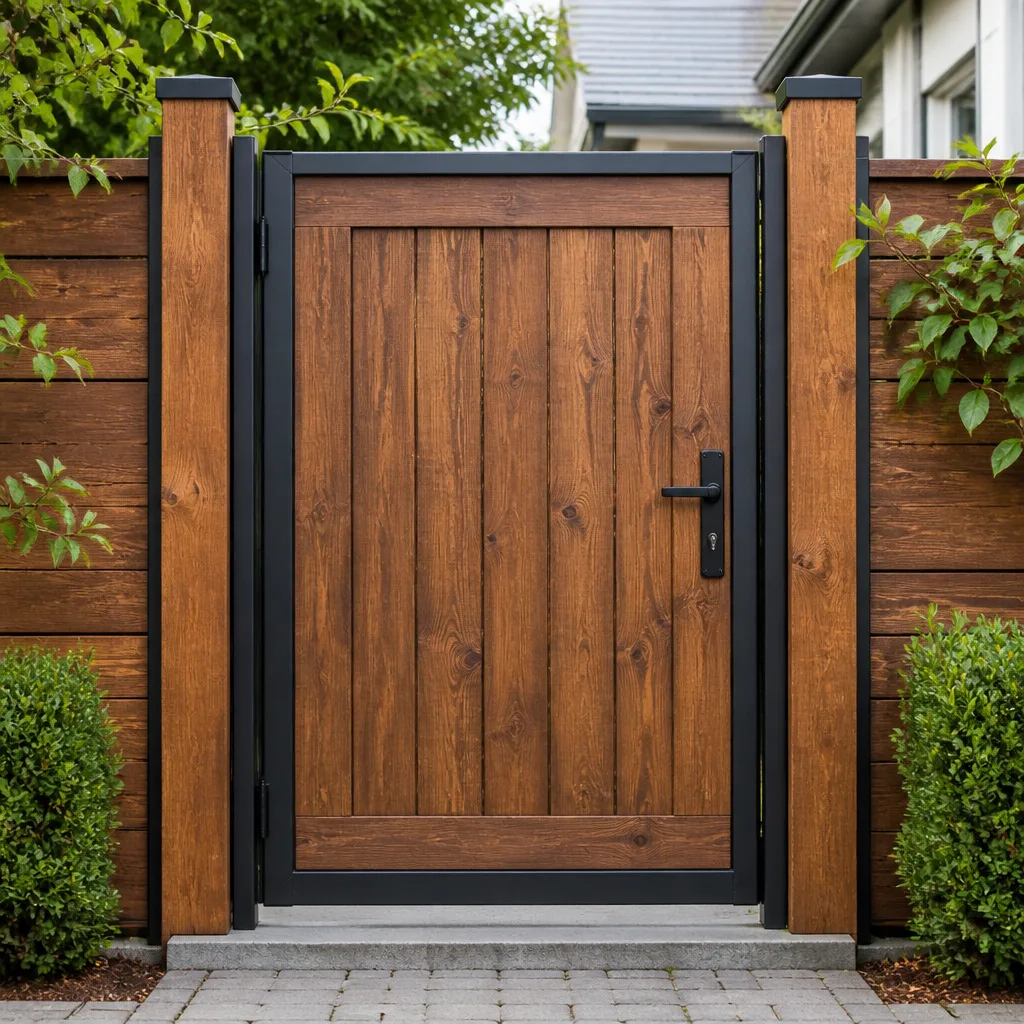 Wood & steel frame
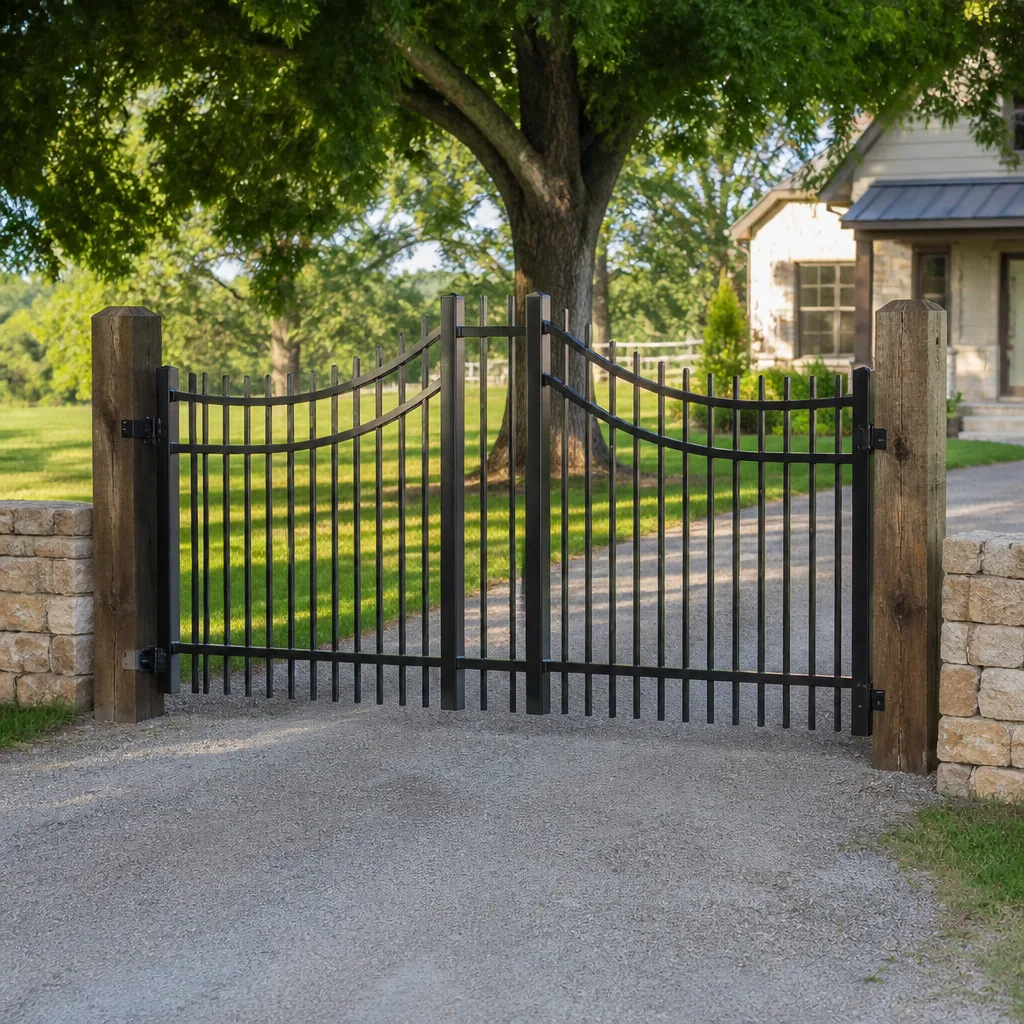 Farm & ranch
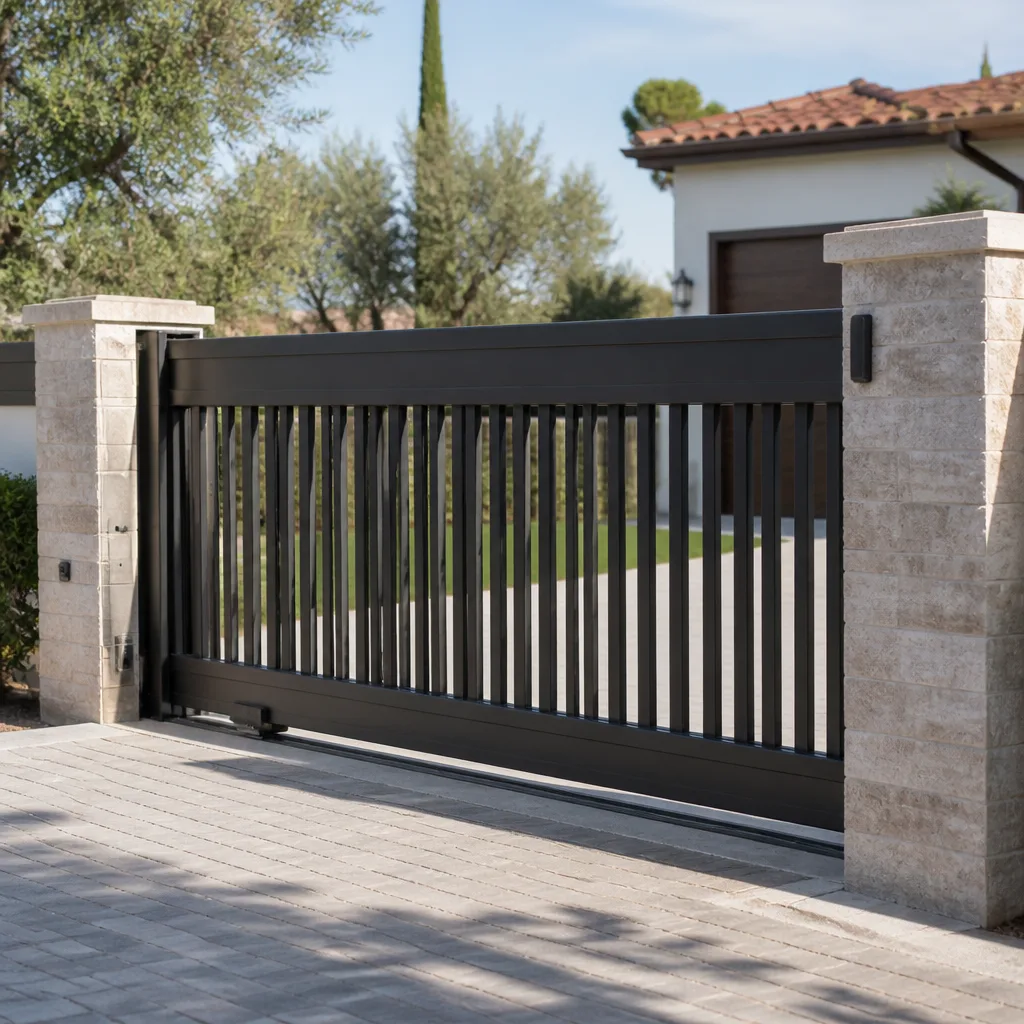 Sliding driveway gates
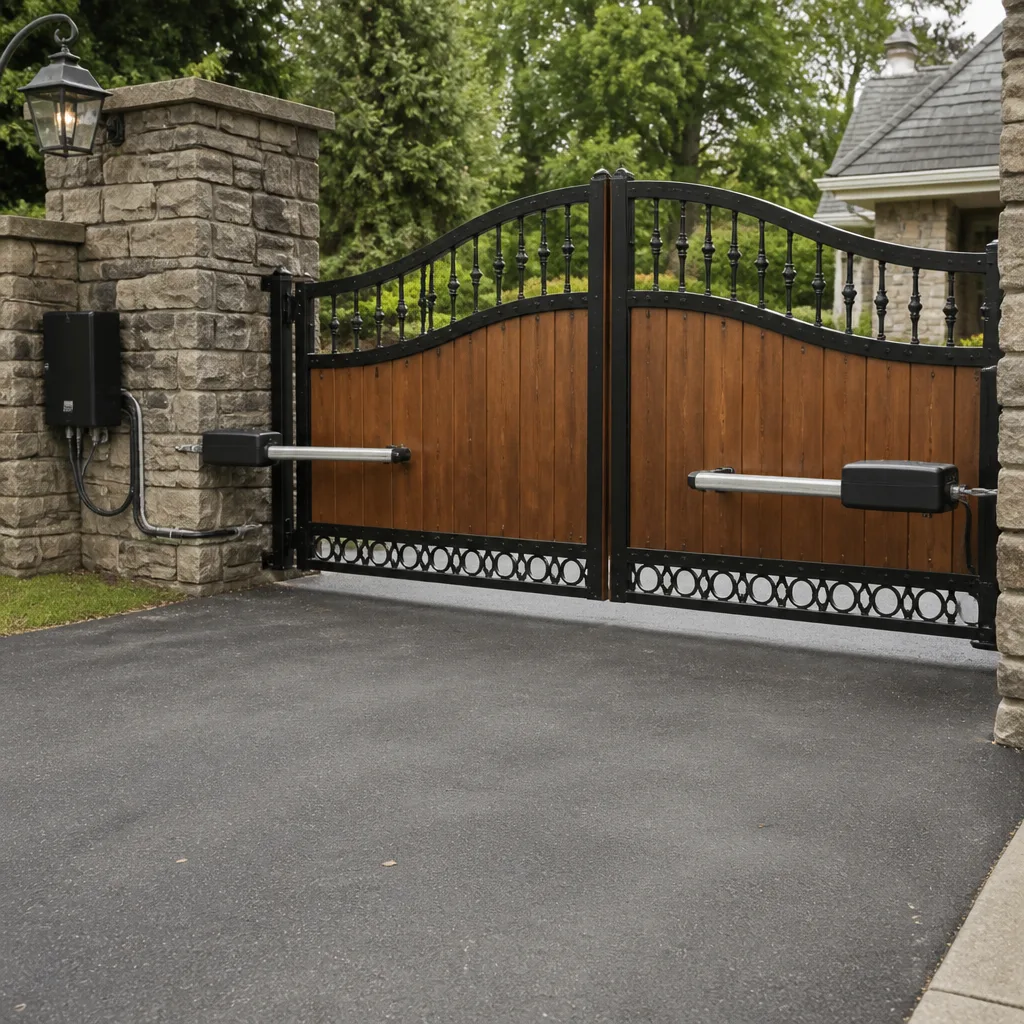 LiftMaster operators
Free on-site gate assessment - hinges, posts, and your LiftMaster or Nice gate operator checked before anything is quoted
The assessment is free and the quote is the invoice.
Get your free estimateGate Repair Warning Signs: A Centennial Homeowner’s Reference Guide
A gate that hesitates for two seconds before it moves is not warming up. That pause is a motor working against misalignment, or a battery that can no longer deliver the amperage the operator needs at startup. Both conditions get worse, not better, and both announce themselves weeks before the gate stops completely. Most homeowners in Centennial read that pause as normal because the gate still opens and the day moves on. This reference guide is about reading the signals before they turn into a dead gate blocking your driveway. We’ll cover what each sound points to, which movements mean the mechanism is fighting itself, what you can check from the driveway without touching anything, and which warnings mean watch it versus call today.
Quick Answer
Gates almost never fail without warning. They telegraph trouble through sound, timing and movement weeks before a breakdown, and the earliest signs are usually a hesitation before movement, new grinding or clicking, a gate that opens partly or reverses, or an operator that needs frequent resets. Signs of mechanical drag or battery decline warrant a call within days; signs of a sagging heavy panel, exposed wiring or a slide gate leaving its track are safety hazards that warrant a call the same day.
Styles & brands we work with
- Wrought iron
- Wood & steel frame
- Farm & ranch
- Sliding driveway gates
- LiftMaster operators
Table of Contents
- What the Sounds Tell You: Grinding, Clicking, Humming and Chain Slap
- Movement Anomalies and What Each One Means
- What You Can Check From the Driveway Without Tools
- Electrical Warning Signs: Resets, Remote Range and Error Codes
- Urgency Triage: Watch It Versus Call Today
- How Centennial Weather and Soil Treat a Gate
- A Simple Inspection Routine
- Repair or Replace: How to Decide
What the Sounds Tell You: Grinding, Clicking, Humming and Chain Slap
Sound is the earliest and most reliable diagnostic signal a gate gives you, and it’s the one homeowners most often tune out because it’s easier to ignore than a gate that won’t move. A gate that’s running healthy has a steady, low hum from the operator and almost nothing else. Any new noise is a message, and each type points to a different component.
- Grinding. Usually a worn gear, a dry or damaged roller, or metal-on-metal contact where a hinge or track has shifted. Grinding worsens with every cycle because the two surfaces keep wearing each other. If the grind is coming from the operator housing, it’s internal; if it’s coming from the gate itself, the mechanical side is dragging.
- Clicking. A rhythmic click as the gate moves often means a slipping clutch, a loose chain, or a relay in the control board pulsing instead of holding. A single click at the start of each cycle can be a limit switch making contact. Repeated clicking without movement points at the control board or the start capacitor.
- Humming with no movement. This is the classic locked-rotor sound. The motor is receiving power and trying to turn, but something downstream won’t let it: a jammed wheel, a seized bearing, a bent track, or a gate that’s out of level. Humming with no movement should never be left running; it builds heat fast and can burn out a motor that was otherwise fine.
- Chain slap. On chain-drive slide gates, a chain that slaps or slaps hard as it moves has stretched beyond its adjustment range, or the sprockets are worn. Left alone, a slack chain can jump the sprocket and leave the gate stranded mid-track.
When you call, tell us what the gate sounds like and where it comes from: the operator box, the hinge side, the track. That one detail shortens diagnosis, whether your operator is a DoorKing, an Elite, or a LiftMaster. We work exclusively on gates, so the sounds are familiar.
Movement Anomalies and What Each One Means
The way a gate moves, or fails to move, is a second diagnostic layer that sits alongside sound. Movement problems fall into four recognizable patterns, and each one points at a different part of the system.
Slow operation. A gate that’s become noticeably slower over a season is fighting added resistance. Common causes are a battery that’s no longer holding a full charge, a motor under load from misaligned tracks, or cold or dry bearings. In Centennial, the swing from warm afternoons to freezing nights works on bearings and hinges, so a gate that runs fine in summer can start dragging in winter.
Partial opening. A gate that stops partway through its arc is usually hitting a limit that’s drifted out of position, or the operator is sensing too much resistance and stopping itself. On some operators, an obstruction sensor that’s tripped can cause this. Partial opening is also the first sign that a battery-driven operator is losing capacity, because it draws down and shuts off before finishing.
Reversed direction. A gate that travels the wrong way, or opens when it should close, is almost always an operator logic or sensor problem rather than a mechanical one. Reversed direction can happen after a power interruption has scrambled the operator’s travel limits, or after a sensor has been bumped out of alignment. On access-control systems like those from DoorKing, reversing can come from a loop detector or a stuck input.
Inconsistent response. Sometimes the remote works, sometimes it doesn’t. This is the most frustrating sign to chase because it seems random. It usually points to a marginal battery in the remote, an operator receiver affected by interference from nearby equipment, or a connection on the control board that’s loosening. Inconsistent response is worth a call before it becomes a gate that won’t respond at all.
What You Can Check From the Driveway Without Tools
You don’t need to touch anything to do a useful visual inspection. Stand back and look, then look again from the other side. You’re looking for changes from how the gate normally sits, not for anything you need to fix yourself.
- Gap changes. Look at the gap between the gate and the post, and between the gate and the ground. If the gap has widened on one side and closed on the other, the hinge or post is moving. A gate that used to clear the ground by inches and now scrapes is a swing gate whose hinges have sagged.
- Rust patterns. Uniform surface rust is cosmetic. Localized, bubbling rust at a weld or hinge is a stress point telling you where the metal is working. Rust lines running down from the top of a post suggest water is getting in where it shouldn’t.
- Weld stress marks. Cracks or bright stress marks near a weld on a gate frame are a structural warning. A heavy gate panel that’s been stressed at a weld is a mechanism that can fail suddenly, and that’s a hazard, not a nuisance.
- Leaning or wobble. A post that’s leaning slightly, or a gate that rocks when it stops, points to footing or hinge movement. Our freeze-thaw cycle in Centennial is hard on posts set in soil that expands and contracts, so check your posts after a cold snap.
- Sagging rails and tracks. On a slide gate, look along the track for a dip or a bend. The gate follows the track, so any dip becomes a drag point that turns into a stall.
While you’re looking, note where the gate sits at rest. A gap you can measure with your eye is a gap that’s already moved further than it should. Don’t tighten or adjust the hinge or weld yourself; frame a heavy panel is not a driveway task for a homeowner.
Electrical Warning Signs: Resets, Remote Range and Error Codes
On an electric gate, the operator’s electronics often warn you before the mechanical side does, and those warnings show up as changes in behavior that have nothing to do with the gate’s movement. A healthy operator is boring: it responds at the same distance, it doesn’t trip breakers, and it starts cleanly every time. Any deviation is data.
Frequent resets. If you’ve started resetting the operator more often, or unplugging and replugging it to get it going, the control board is likely losing its logic. Frequent resets can come from a failing battery, a loose connection, a sensor that’s intermittently shorting, or a board that’s degrading. Each reset gets less effective as the underlying fault deepens.
Remote range reduction. A remote that used to work from the end of the driveway and now only works up close is telling you the receiver or antenna is degrading. On battery-powered operators, it can also be the operator’s own battery sagging. This is one of the earliest electrical signs, and one of the easiest to dismiss as the remote wearing out.
Error code patterns. Most operators flash an LED or show a code pattern when they fault. The exact meaning differs by brand, but the pattern itself is the clue. A code that appears once and clears is worth watching. A code that shows up on the same part of every cycle is a fault you should have looked at. Because we work across nine major brands, including Mighty Mule and Elite, we can read the pattern rather than guess at it. We’re not a garage-door company handling gates on the side; we do this on gate systems every working day.
Burned or discolored wiring. If you can see the wiring at the operator or along the power run without opening anything, look for discoloration, chew marks, or loose conduit. Do not open an operator housing or touch exposed electrical connections. Operator wiring carries live voltage and can cause serious injury; that diagnosis belongs to a trained technician.
Urgency Triage: Watch It Versus Call Today
Not every warning sign has the same clock running on it. Some signs mean a component is wearing and you have time. Others mean a failure or a safety hazard is close enough that you shouldn’t use the gate until it’s checked. This is the ranking we use when we look at a gate, and it’s how you should judge what you’re seeing.
Watch it (call within weeks, don’t wait forever):
- A slight hesitation before movement
- New or mild grinding or a dry hinge squeal
- Remote range that’s shortened a little
- A single error code that cleared
- Slow operation that hasn’t stopped the gate
Call today (use the phone, not the gate):
- Humming with no movement
- A gate that stops partway or reverses repeatedly
- A heavy panel that’s sagged, wobbled or shown stress marks at a weld
- Exposed or damaged wiring at the operator or power run
- A slide gate that’s come off or is riding on the edge of its track
- Resets that no longer get the gate to run at all
The distinction matters because a heavy gate panel is a mass of steel that can crush, and a slide gate that’s come off its track can fall on a person or a vehicle. Those aren’t jobs for a homeowner with a wrench. Get your own call in and leave the panel alone. For anything on the second list, call (866) 361-9624. We answer 24/7. A call outside dispatch hours is booked into the next opening, Sunday through Friday, 7am to 7pm.
How Centennial Weather and Soil Treat a Gate
A gate in Centennial lives through a specific set of conditions, and knowing them tells you what to watch and when. We get dry, warm summers and cold winters with repeated freeze-thaw swings. The ground moves, the air dries out, and the gate’s hardware feels both.
The biggest local factor is the freeze-thaw cycle. Water gets into a hinge, a post footing, or a track joint, then freezes and expands, then thaws and contracts. Over a season, that movement loosens hinges and shifts posts. That’s why the gap changes and the wobble we covered earlier show up most often after a cold snap. The dry summer air is the other half: wood components dry out and shrink, metal stays put, and the joints between them loosen.
Sun exposure matters too. A gate on a south-facing drive gets baked for most of the year, and plastic and rubber parts on the operator and the gate hardware degrade faster under that load than on a shaded gate. It’s the same mechanism that ages the seal on a car parked outside. There’s no need to get technical about it; just know that a gate in full sun will show electrical and hardware wear earlier than one under a tree.
None of this means a Centennial gate is doomed. It means the signs arrive on a schedule tied to the seasons, and if you check the gate after the first hard freeze and again at the end of summer, you’ll catch most wear before it becomes a repair. Our Gate Repair Centennial team works on these gates year-round and sees the same seasonal pattern repeat.
A Simple Inspection Routine
You don’t need to know how to repair a gate to keep it running longer. You need a short, repeatable routine that catches problems while they’re still minor. This is the routine we suggest to homeowners and HOA managers, and most of it is looking and listening.
- Watch one complete cycle at normal speed. Start it from the remote and watch the gate go through a full open and close. Watch for hesitation at the start, pauses mid-travel, and how it stops. A healthy gate moves steadily and stops cleanly at the end of travel.
- Listen for the sounds we covered. Grinding, clicking, humming without movement, chain slap. If the gate is quiet and steady, that’s a good cycle.
- Check the gaps and the level. Look at the space between the gate and post, and the gate and ground. Look along the track on a slide gate. Note anything that’s changed.
- Run the safety devices. With the gate closing, test that the safety edges or photo eyes stop and reverse the gate as they should. These are the parts that protect people, and they should be tested deliberately.
- Watch for remote symptoms. Notice the distance at which the remote works. When it starts shrinking, that’s an early electrical sign.
- Note anything new and write it down. A short log of dates and symptoms helps a technician diagnose faster, and it stops you from wondering whether a noise is new or something you’ve just started noticing.
Skip the manual lubrication of the operator or the adjustment of the travel limits unless you know exactly what you’re doing. A wrong adjustment on a limit switch or a sensor can make the gate behave worse, and on a heavy panel it can create a hazard. If your gate has an automated operator and you want the mechanical side checked properly, our electric gate repair team handles both the mechanism and the electronics.
Repair or Replace: How to Decide
When a gate starts showing signs, the question that follows is whether to fix it or replace it. There’s no single rule, but there is a pattern to how we think about it, and it comes down to what’s actually failing and how far the wear has gone.
A single component failing on an otherwise sound gate is a repair. A worn hinge, a failed operator board, a bad battery, a sensor out of alignment, a stretched chain: these are fixable, and the rest of the gate keeps the value of that repair. This is the most common situation, and it’s why most of what we see gets fixed rather than replaced.
Replacement starts to make sense when the failure is structural or when the repair starts adding up. A gate frame with multiple stress points at the welds, posts that have shifted badly, or an operator that’s at the end of its life on a gate whose hardware is also failing are situations where repeated repairs stop making sense. On a slide gate, a track that’s badly deformed and a frame that’s out of square can push the cost of repair toward the cost of a new gate.
The honest answer is that no one can tell you which way to go without looking at the gate. We look at the mechanism and the operator together, because a gate’s life is the mechanical side and the electronic side working as one system. We’ve been serving Centennial since 2014, and we’ll tell you which route actually makes sense for your situation rather than defaulting to whichever is more expensive. Repair or replace is a decision you should understand before you agree to it, and that’s how we present it.
Common Mistakes to Avoid
- Ignoring the hesitation. The two-second pause before movement is the earliest sign of misalignment or a failing battery, and it’s the easiest to dismiss. Waiting until the gate stops altogether turns a small repair into a stranded gate, and a stranded gate on a Centennial driveway is a day you didn’t plan for.
- Lubricating everything you can reach. Lubricant in the wrong place attracts grit and grinds metal faster. Track rollers and hinges have specific lubrication needs, and the operator very often needs none. When in doubt, ask before you spray.
- Adjusting travel limits by guesswork. Turning the limit screws until the gate seems to stop where you want it can push the mechanism against its own stops, which is how motors and gearboxes get ruined. A limit adjustment is a technician’s task, because the gate has to be watched through the full cycle to confirm it.
- Treating a heavy panel as a DIY job. A swing or slide gate panel weighs far more than it looks, and a panel that’s come off its track or lost a hinge can fall. Don’t prop it, don’t lift it, and don’t try to hold it in place.
- Ignoring a warning code because the gate still opens. An operator that clears its own fault after a reset is hiding a fault that will come back, and often come back mid-cycle. Note the code and get it read.
- Assuming the brand matters more than the diagnosis. We’ve been called after customers were told their operator brand was unsupported. That’s a limit of the company, not of the equipment. We diagnose across a wide range of brands, and the fix usually depends on the fault, not the nameplate.
- Fixing symptoms and skipping the cause. A grinding noise isn’t caused by a lack of grease; it’s usually a misalignment that’s wearing a roller. Treat the alignment and the noise goes away. Grease the noise and the roller still wears out.
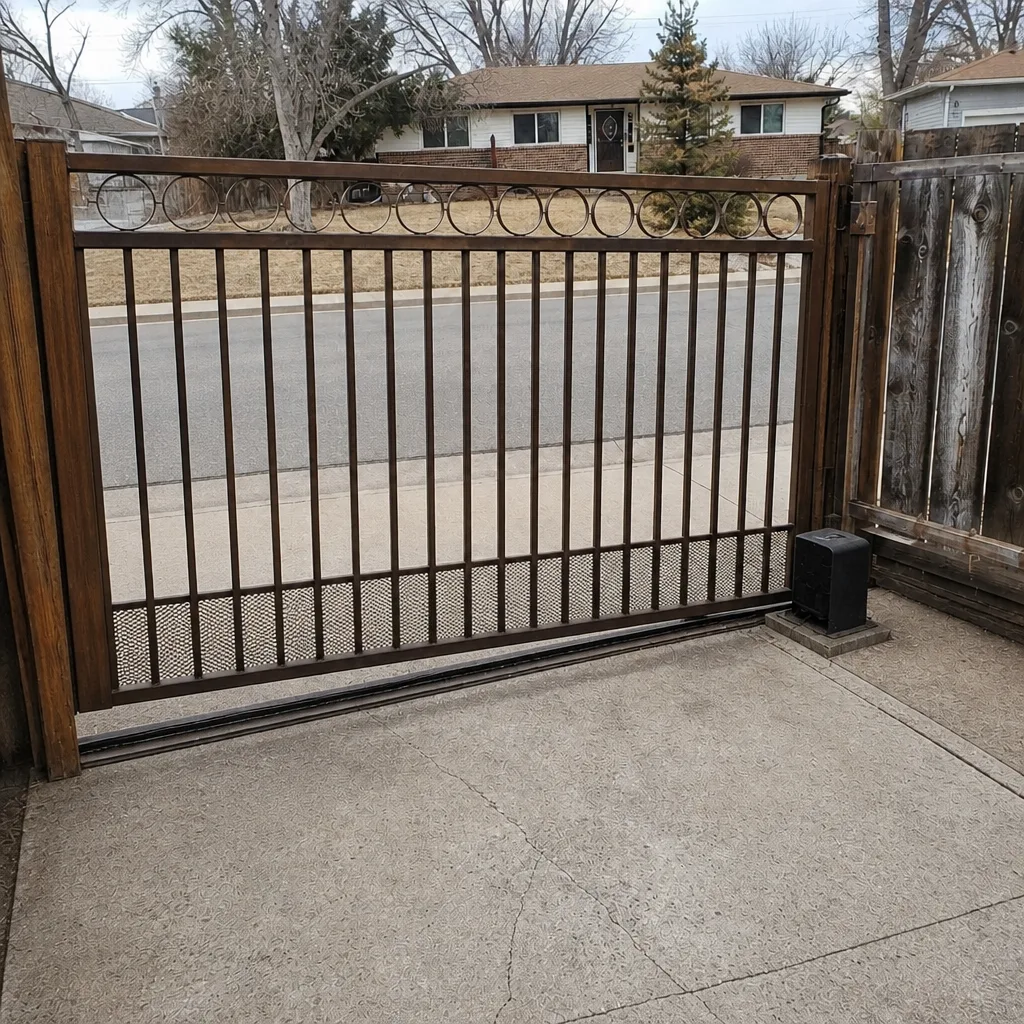
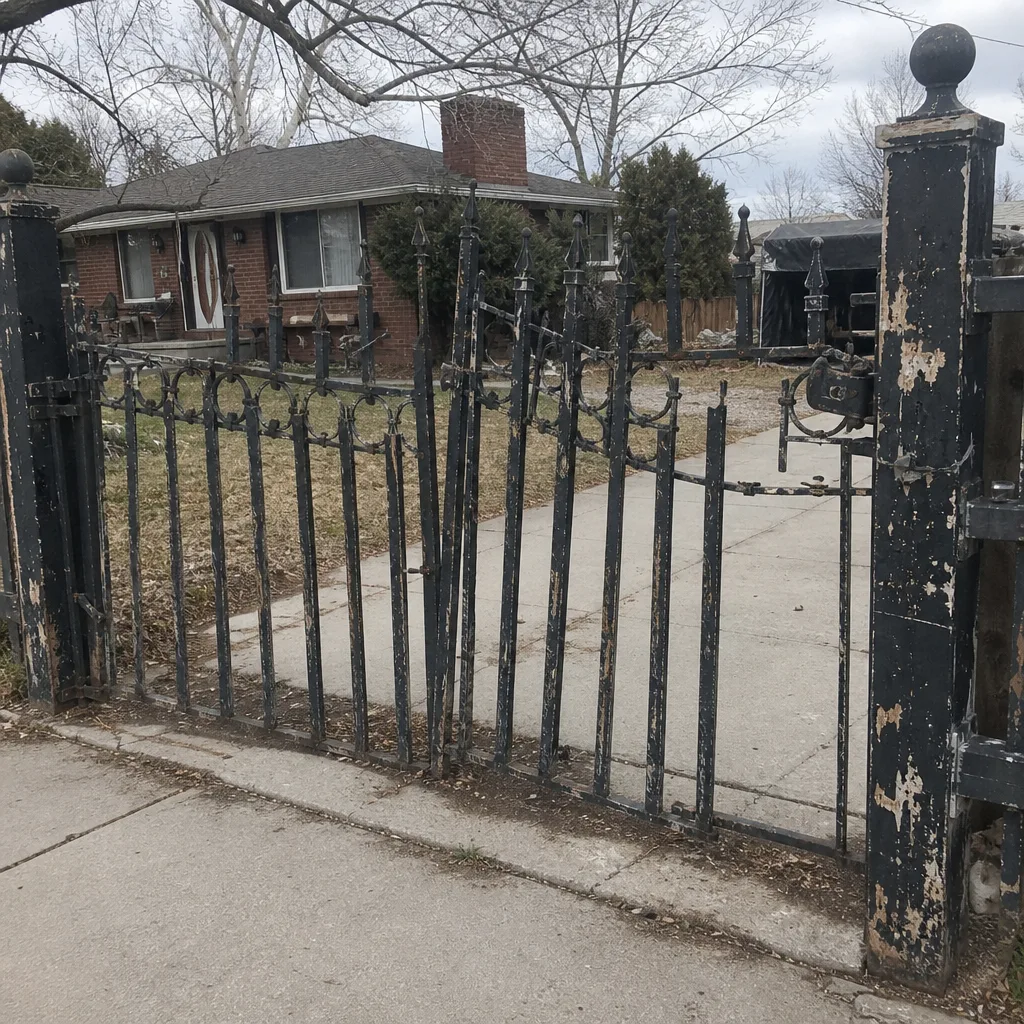
See the difference
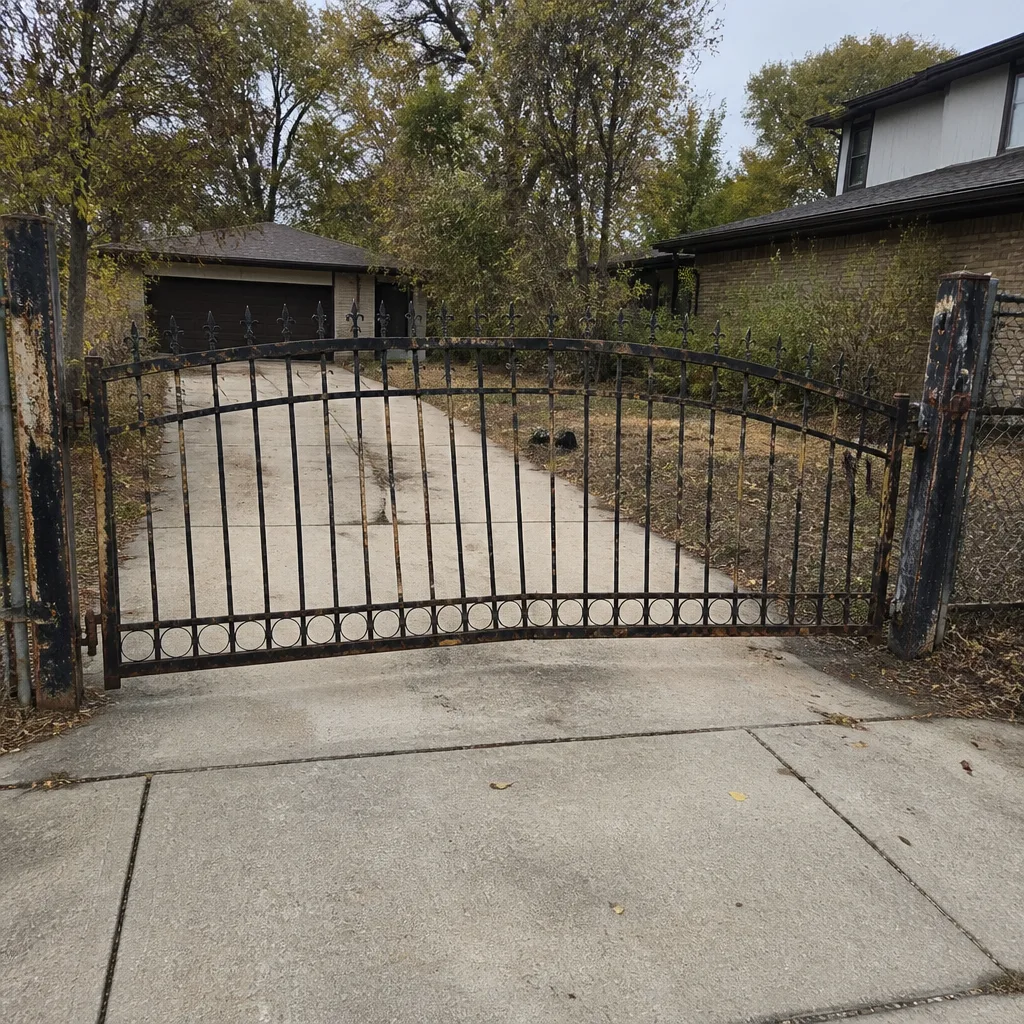 Before
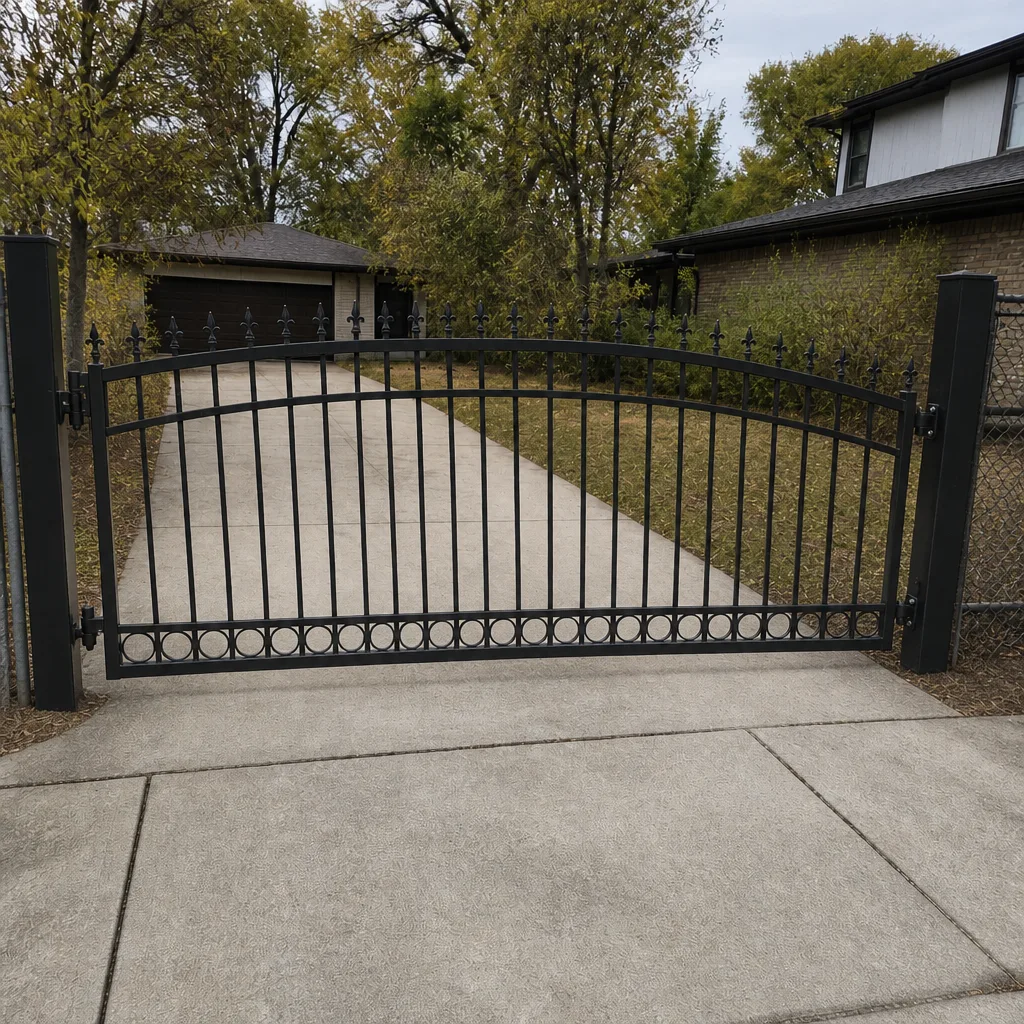 After
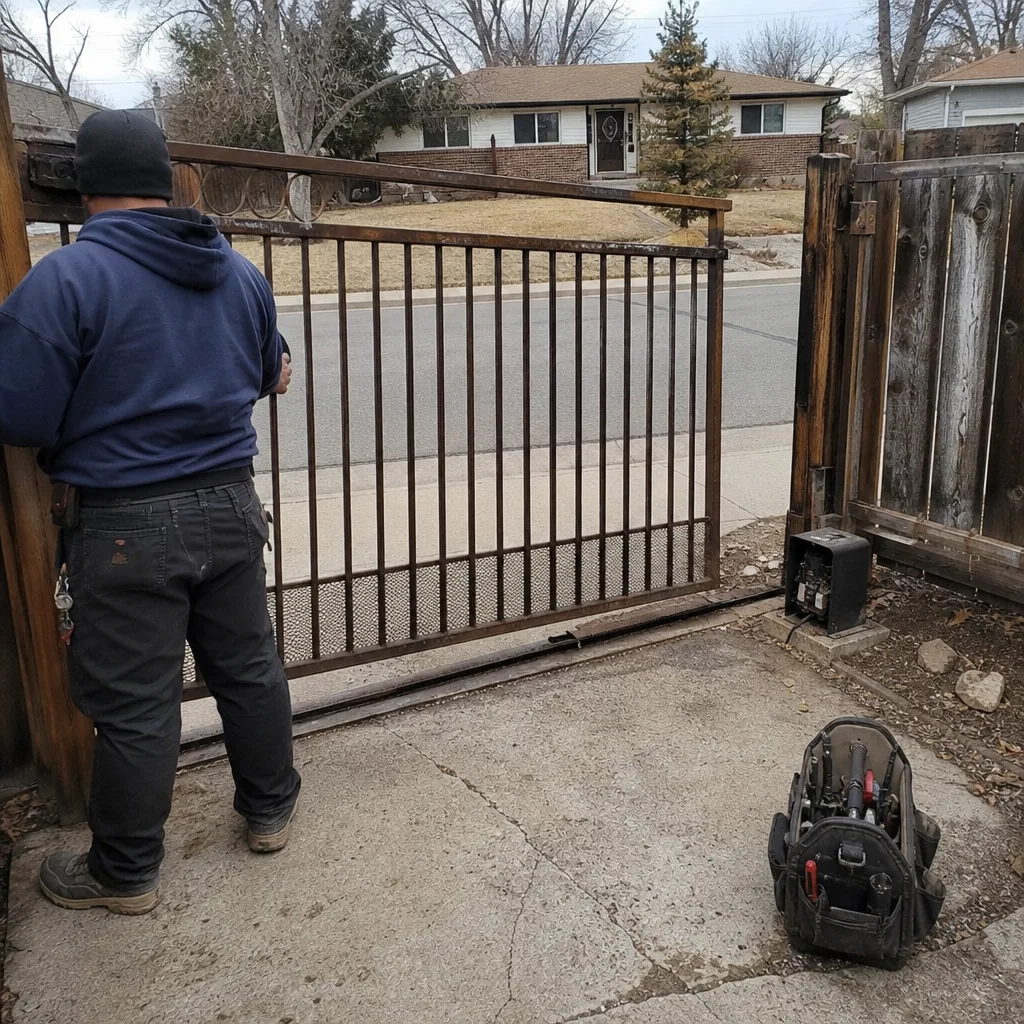 Before
 After
 Before
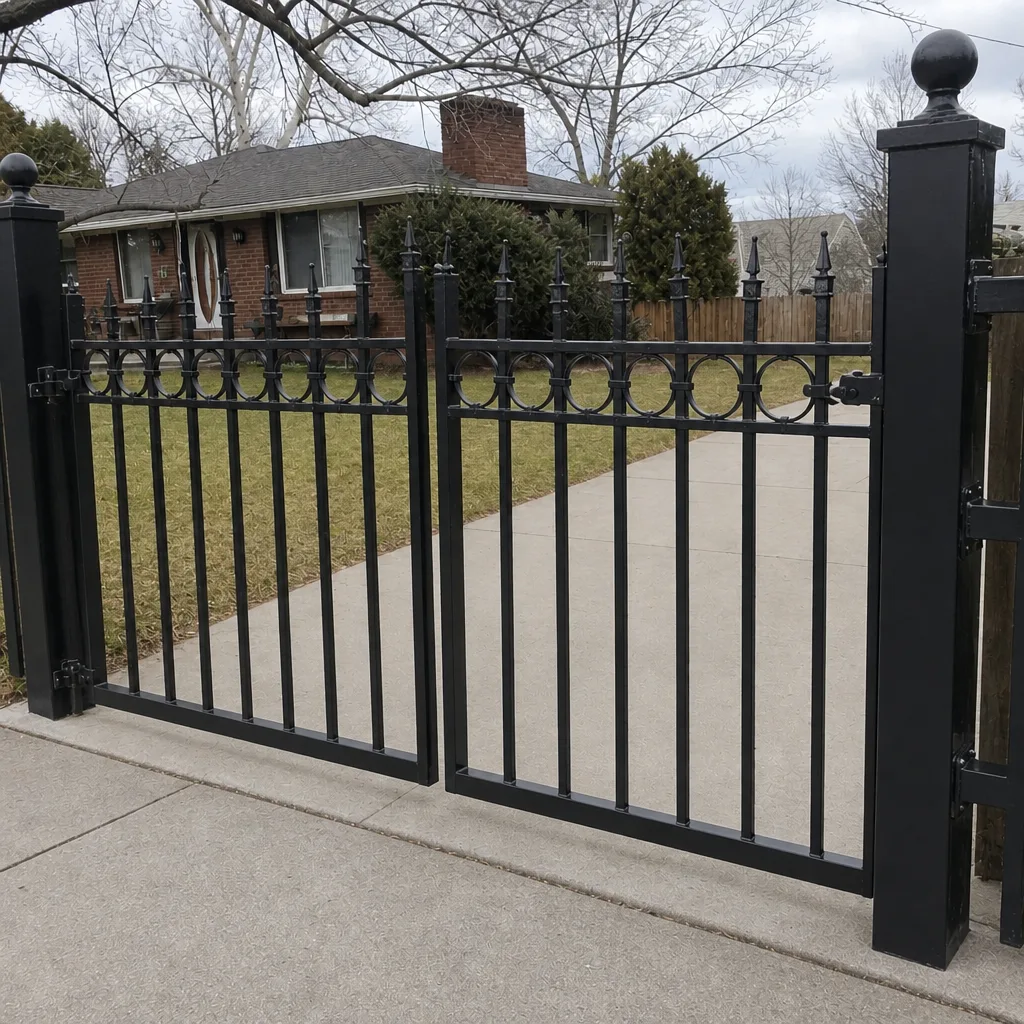 After
When to Call a Professional
Call a professional when the sign is on the safety list, when you’ve watched a symptom for a few cycles and it’s getting worse rather than settling, or when you find yourself resetting the operator more than once in a season. Also call if the gate is on a shared or commercial drive where a failure blocks multiple properties, and if you’re an HOA or property manager who needs the gate back to full function rather than patched. Humming with no movement, a sagging panel, a slid-off track, and exposed operator wiring are same-day calls. For anything on the watch list, a look now saves a bigger repair later. Gate Repair Centennial offers free estimates in Centennial. Call (866) 361-9624 for a free estimate. We answer 24/7. Fast dispatch from 7am to 7pm, Sunday through Friday.
Frequently Asked Questions
The most common early signs are a hesitation before the gate moves, new grinding or clicking, slower operation, partial opening, and shortened remote range. Any one of these usually means a component is wearing, and more than one together means the wear is further along than it looks. Call (866) 361-9624 for an exact quote. Estimates are free.
There’s no fixed number, but Centennial’s freeze-thaw cycle tends to loosen hinges, posts and track joints on a seasonal rhythm, so a gate here shows wear based on its exposure and use rather than a set age. A gate checked after each cold snap and at the end of summer tends to stay ahead of the big repairs. Our team serving Centennial can look at your gate and tell you where it stands.
No. Stop using the gate when it hums without moving. That sound means the motor is trying to turn against a jam or a seized part, and running it builds heat that can burn out a motor that might otherwise just need a mechanical fix. Call (866) 361-9624 and we’ll book it in. We answer 24/7, and dispatch runs Sunday through Friday, 7am to 7pm.
No. A gate panel is a heavy mass of steel, and a sagging or wobbling panel can fail suddenly and cause a serious crush injury. Keep clear of the swing path or the slide track and have it looked at by a technician. The structural and electrical diagnosis belongs with a trained professional.
Yes. We work across nine major brands, and the brand is usually less important than the fault you’re describing. Tell us what the gate sounds like, when it hesitates, and what the operator lights do, and we’ll take it from there. Our gate repair team diagnoses the mechanical and electronic sides together.
Twice a year is a practical starting point for a Centennial gate: once after the first hard freeze and once at the end of summer. That schedule lines up with the freeze-thaw movement and the dry season, which are when the common signs show up. More often for a commercial gate or one in constant use. If you’re not sure whether a symptom is on the watch list or the call-today list, the phone is a faster answer than guessing. Call (866) 361-9624 for a free estimate.
The Bottom Line
A gate tells you it’s in trouble long before it stops, and the signs show up in a predictable order: sound first, then movement, then the visual changes you can spot from the driveway, then electrical behavior. Read those signs early and a small repair stays small. Ignore them and a worn hinge becomes a strained motor, or a loose post becomes a gate that won’t run. In Centennial, the freeze-thaw swing makes that schedule move faster, so check your gate after each cold snap. If a sign puts your gate on the call-today list, don’t use the gate and don’t try to fix it. Repair or replace is a decision a specialist should explain to you, not one you should have to guess at. If you’re not sure which list your gate belongs on, call (866) 361-9624. We answer 24/7. Fast dispatch from 7am to 7pm, Sunday through Friday. Free estimates, and the price is agreed before any work starts. From gate repair to Centennial gate installation, one company covers the whole life of your gate.
Written by the team at Gate Repair Centennial, serving Centennial since 2014.