
Last updated November 14, 2026
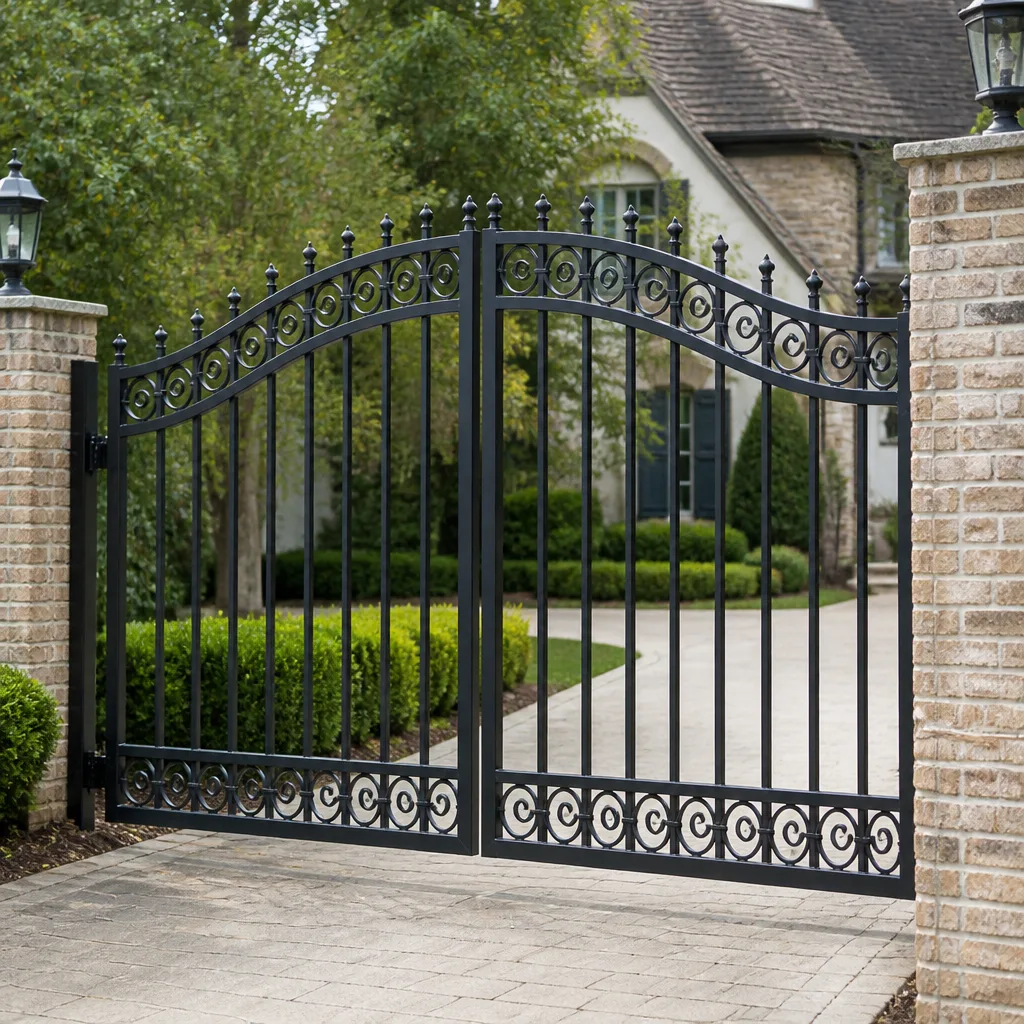 Wrought iron
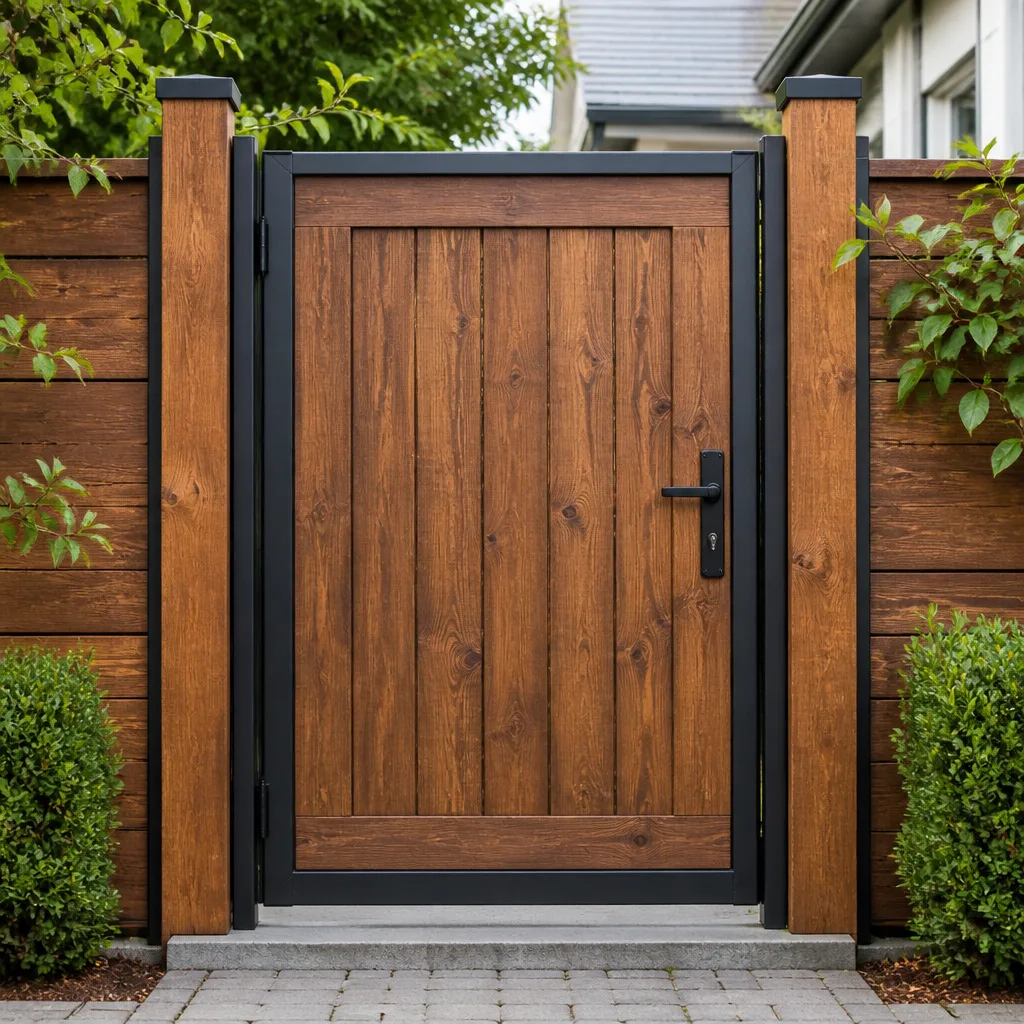 Wood & steel frame
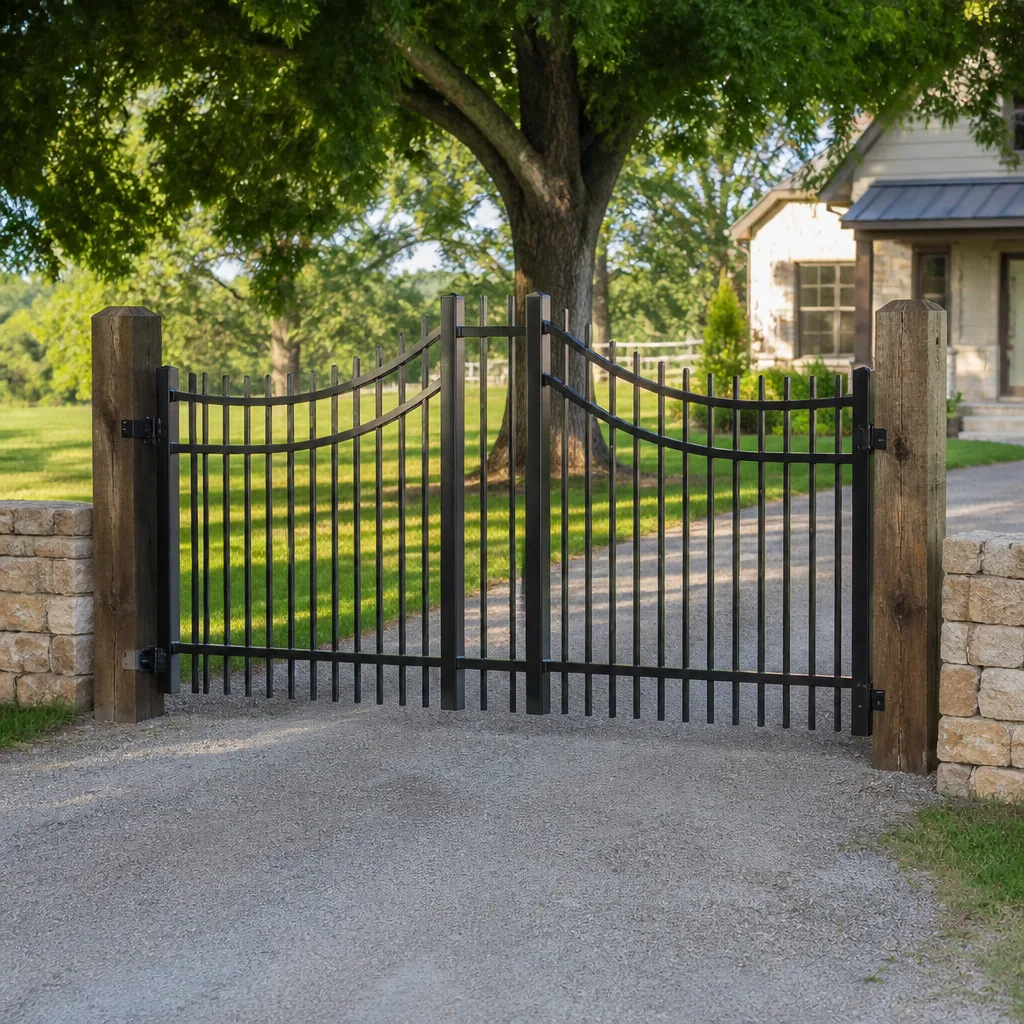 Farm & ranch
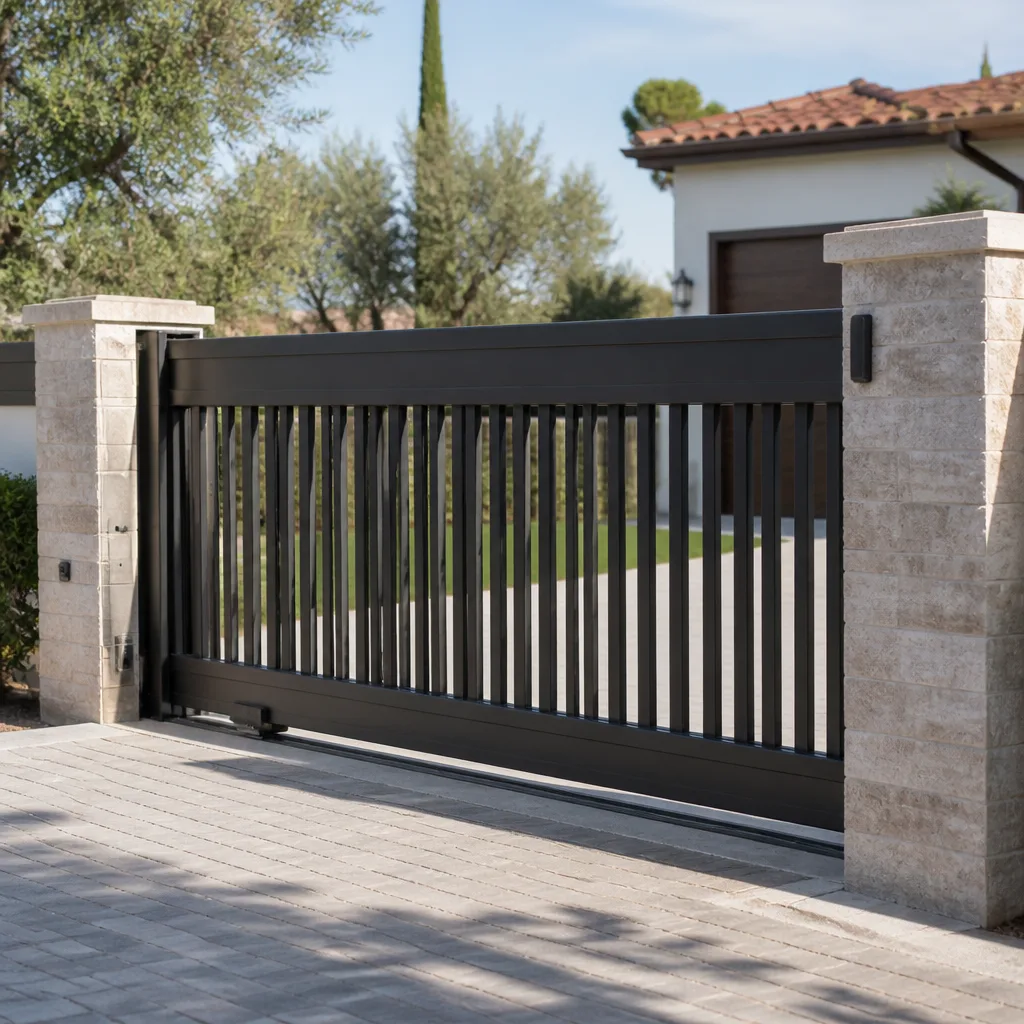 Sliding driveway gates
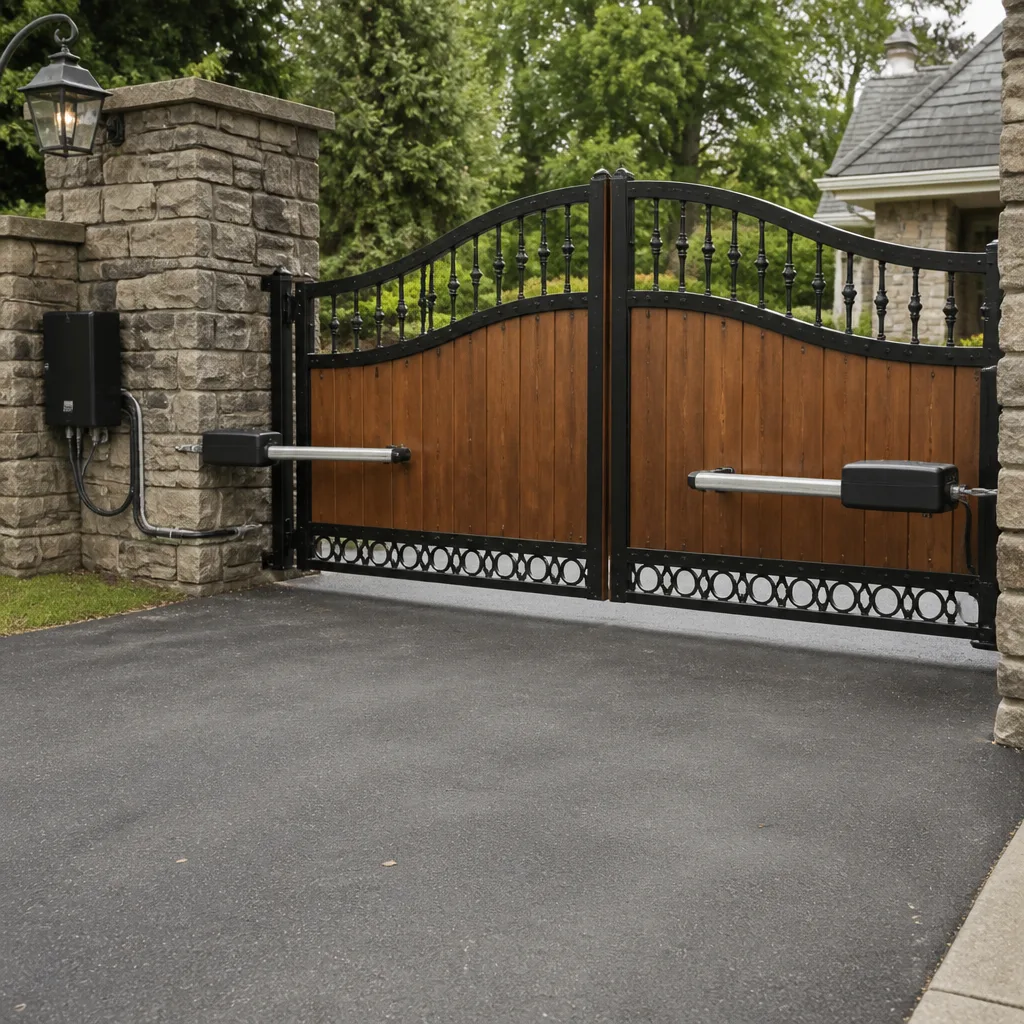 LiftMaster operators
Free on-site gate assessment - hinges, posts, and your LiftMaster or Nice gate operator checked before anything is quoted
The assessment is free and the quote is the invoice.
Get your free estimateGate Repair Cost Breakdown: The Centennial Homeowner’s Reference for 2026
Most gate repair quotes don’t fail because the price is high. They fail because nobody tells you what the price is made of. A homeowner in Centennial can receive two estimates for the same failing operator and see numbers hundreds of dollars apart, with no explanation of where the gap comes from. It’s rarely the parts. It’s labor rates, parts markup, and whether the technician actually knows the brand on your gate. This reference lays out real 2026 price ranges by repair type, shows you where quotes get padded, and explains when replacement beats repair. Read it before the truck pulls in, not after.
Quick Answer
Gate repair in Centennial typically runs $150 to $650 for mechanical fixes and $250 to $1,200 for electric operator repairs, depending on the component and brand. Full operator replacement commonly lands between $380 and $950, and complete new gate installation starts around $2,500 and climbs with size, material, and automation. The written estimate sets the final price, and every quote should break out parts and labor separately.
Styles & brands we work with
- Wrought iron
- Wood & steel frame
- Farm & ranch
- Sliding driveway gates
- LiftMaster operators
Table of Contents
- Component-by-Component Price Ranges for 2026
- Labor Rates in Centennial and How to Spot Parts Markup
- Repair or Replace the Operator? Finding the Break-Even Point
- How Gate Type and Material Change the Cost
- The Hidden Cost Categories Most Quotes Leave Out
- How to Read a Gate Repair Quote Line by Line
- Why Brand Knowledge Changes the Price
- Common Mistakes to Avoid
Component-by-Component Price Ranges for 2026
Gate repairs aren’t priced as one lump. They’re priced by the part that failed plus the time to reach and replace it. Here’s what the individual pieces look like in the Centennial market this year, installed:
- Hinges (swing gates): $40 to $150 per hinge installed, higher for heavy wrought iron or welded hinges that need cutting and re-welding.
- Rollers and tracks (slide gates): $75 to $250 per roller assembly, including track adjustment or partial track replacement.
- Posts and post reinforcement: $200 to $800 depending on depth, concrete, and whether the post is sagging or leaning.
- Operator/motor replacement: $380 to $950 for residential swing or slide operators, more for heavy-duty commercial units.
- Control board replacement: $180 to $450, depending on brand and whether the board is still in production.
- Safety sensors and photo-eyes: $120 to $300 per pair, including alignment and wiring check.
- Remote and receiver pairing: $60 to $180, depending on whether the receiver needs replacing too.
- Battery backup: $150 to $400, depending on capacity and brand compatibility.
Notice how wide some of those ranges are. That spread is real, and it usually traces back to brand availability and part sourcing, not to a contractor trying to squeeze you. A common operator with wide distribution is cheap to fix. An older or less common unit can mean a special-order board and a longer job. In our experience, brand-agnostic diagnosis matters here: when your gate brand is electric gate repair territory from the operator side, the first question isn’t “what’s wrong” but “what system are we working on.”
One caution: a low quote on a component often means a low-grade part. Ask what brand and model goes back in, and whether it’s rated for your gate’s weight and cycle count. That single question separates a repair that lasts from one that comes back in a year.
Labor Rates in Centennial and How to Spot Parts Markup
Labor in the south Denver metro typically runs $90 to $150 per hour for gate-specific work, and a repair visit is usually billed as a minimum of one hour plus additional time. In our experience, most single-component repairs fall in the one-to-two hour range, while operator diagnostics and control board swaps can run longer. Centennial’s mix of older established neighborhoods and newer HOA communities means we see everything from aging manual swing gates to recently installed automated systems, and the labor profile differs a lot between them. Older gates often need more adjustment and fitting time on site; newer automated gates tend to need more time on the electronics side.
The markup question trips up more homeowners than any other part of the quote. A fair markup on parts covers sourcing, stocking, and warranty liability. When markup pushes a part well above what you can find at retail, ask why. There are legitimate reasons: rush sourcing, custom fabrication, or a part that comes factory-matched to the operator. There are also lazy reasons.
Here’s how to check a quote in under five minutes:
- Search the exact part number on the quote. Compare what you find to the quoted parts line.
- Ask whether the part is new, refurbished, or aftermarket. Each has a different fair price.
- Confirm the labor hours quoted and the hourly rate. A high rate with honest hours is fairer than a low rate padded to four hours.
- Ask what happens if the job runs longer than quoted. The written estimate should protect you from surprise overruns.
The price is quoted and agreed before any work starts. If a contractor won’t commit to that, treat the number as a guess, not an estimate. As a gate-exclusive shop, we work to that standard because the diagnosis and the quote come from the same person who’ll do the work.
Repair or Replace the Operator? Finding the Break-Even Point
Here’s the question that saves homeowners the most money: at what point does pouring money into a failing operator stop making sense? Repair is usually the right call when the gate itself is sound and one clear part failed. Replacement starts to win when failures compound or when the operator is simply past its service life.
Work through these signs in order:
- Age of the operator. If it’s well into its second decade and the control board has already been replaced once, the next repair is money into a dying system.
- Parts availability. A discontinued board or motor means the next failure could be a dead end. Replacement is a preemptive call.
- Repeat failures. Three repairs in 18 months signals the system is telling you something. That’s usually the break-even point.
- Load mismatch. An operator working near its limit on a heavier gate will keep failing on the same part. A properly rated replacement ends the cycle.
- Repair cost versus replacement cost. When a single repair hits 40 to 50 percent of a full operator replacement, replacement usually pays back sooner.
That 40 to 50 percent rule is a guideline, not a law. What we tell a customer is plain: repair or replace, we’ll tell you which one makes sense for the situation. We don’t push replacement when a hinge and a sensor fix the problem, and we don’t prop up a failing operator just to avoid a bigger conversation.
One more thing specific to Centennial: modern operators include safety reverse and sensor features that older units don’t, and that matters more on a driveway gate than most people realize. Sometimes a “repair” conversation becomes a genuine safety upgrade conversation. We’ll explain why if that’s the case.
How Gate Type and Material Change the Cost
Two factors drive labor on almost every gate job: how the gate moves, and what it’s made of. A swing gate and a slide gate with the same fault can be entirely different jobs underneath.
Gate type:
- Swing gates rely on hinges, posts, and operator arms. Hinge wear is the most common failure in our experience, and older posts can sag with the gate’s weight.
- Slide gates ride on rollers and a track. Roller replacement is usually cheaper than a full track rebuild, but track alignment takes more time. A gate that’s come off the track is a heavier job.
- Cantilever gates have no track and no rollers on the ground, so the operator and the gate’s own balance carry more of the load. Diagnosing a cantilever failure often means checking the gate structure and the operator together.
Material:
- Wrought iron is heavy. It needs a heavier operator and sturdier hinges, which bumps parts cost, and welds or cut repairs add time.
- Aluminum is lighter and easier to work with. The operator load is lower and repairs move faster.
- Wood expands and shifts with the seasons, so alignment and hinging take extra adjustment.
- Vinyl is light and predictable but harder to weld when a panel or hinge mount fails. Component swaps or bracket reinforcement are common.
We work exclusively on gates, so we diagnose the mechanical structure and the operator together. That matters when the “fail” isn’t the motor at all but a gate that’s dragging because a post has shifted. Fixing the operator without fixing the gate behind it means the same repair comes back. That kind of diagnosis is what separates a gate specialist from a general handyman who handles gates on the side.
The Hidden Cost Categories Most Quotes Leave Out
The number on the bottom of a quote isn’t always the number you pay. Some line items that show up later are legitimate, some are avoidable, and some are just a contractor covering their own uncertainty. Here’s what to watch for, and what’s fair to ask about before work starts.
- Disposal of removed hardware. An old steel gate panel or a failed operator has to go somewhere. Ask whether disposal is included or billed separately.
- Permits. Most cities require a permit for structural gate or new electrical work, so ask your city’s building department what applies to your project. Permit costs vary and should be stated upfront if they’re part of the job.
- Digging and concrete. Replacing a post or setting a new operator anchor can require digging and concrete work that doesn’t show up until the technician is on site. That’s a conversation to have at the estimate, not mid-job.
- Electrical work for new operators. If your operator is automated, reaching a power source is often the biggest budget swing on the job. Be clear on whether a power run is included, who handles it, and whether the safety edges are part of the quote.
- Re-wiring and sensor runs. An operator replacement sometimes needs fresh wiring for sensors and safety edges, and that’s time and material that should be itemized.
A written estimate that lists the scope and the exclusions is a fair estimate. One that lists a flat total and nothing else is a question to ask.
How to Read a Gate Repair Quote Line by Line
A good gate repair quote tells you everything in one page. A bad one makes you guess. Here’s the structure we think a quote should follow, and the structure you should hold any contractor to:
- Diagnosis in plain language. What failed, why it failed, and whether anything else is at risk.
- Parts list with brand and model. No vague “operator” line. The part has a name for a reason.
- Labor hours and rate, itemized. You should be able to multiply and check.
- Explicit scope. What’s included, what’s excluded, and what would change the price.
- Permit responsibility. Who’s pulling any required permit and who’s paying for it.
- Disposal and cleanup. Stated, not implied.
- Written price, agreed before work starts. Signed or acknowledged by both sides.
If your gate is electric, add one more line: power. Confirm how the operator gets power, whether new wiring is needed, and who addresses the safety edges. Those are the items that turn a clean quote into a phone call halfway through the job. When it comes to onboarding a new operator or a replacement system, bring the brand and model of your existing unit to the estimate. That one detail shortens the diagnostic and cuts the quote.
Why Brand Knowledge Changes the Price
Here’s the part homeowners rarely hear: the contractor in front of you either knows your brand or they don’t, and it shows up on the invoice. A technician who’s fluent in your operator diagnoses faster, orders the right part first, and doesn’t burn extra hours on the phone with a factory support line.
We work on at least nine manufacturers, including LiftMaster, FAAC, BFT, Linear, Viking, Ghost Controls, DoorKing, Elite, and Mighty Mule. That range matters because a gate failure doesn’t come with a brand preference. Whether your operator is a BFT from a newer HOA install or a Linear unit that’s been working for years, we know it. We’re independent, which means we’re not tied to one brand’s parts pipeline, and we never tell a customer their brand is “unsupported” just because it’s not one we stock the most of.
Two direct questions to ask any contractor before booking:
- Have you worked on this brand and model before?
- If the part is special-order, what’s the expected timeline and is that reflected in the quote?
If the answers are vague, you’re paying for someone’s learning experience. A specialist shop answers both without hesitating.
Same-Day Repair and What Happens When You Call
When a gate stops mid-open on a driveway in Centennial, the first question is usually how fast someone can look at it. We answer 24/7. Fast dispatch from 7am to 7pm, Sunday through Friday. Saturday is closed, and a call outside dispatch hours is booked into the next opening.
The dispatch process is straightforward:
- You call (866) 361-9624. We answer 24/7 and gather the basics: gate type, brand, and what the gate is doing or not doing.
- We book a visit during dispatch hours and confirm the gate system details.
- A technician arrives, diagnoses the fault, and gives you a written price before any work starts.
Same-day service is often possible for repair jobs, depending on the schedule and the parts needed. Electric operator work and installation are measured, ordered, and scheduled rather than rushed. For those, the promise is a free estimate and a written price, not a same-day arrival.
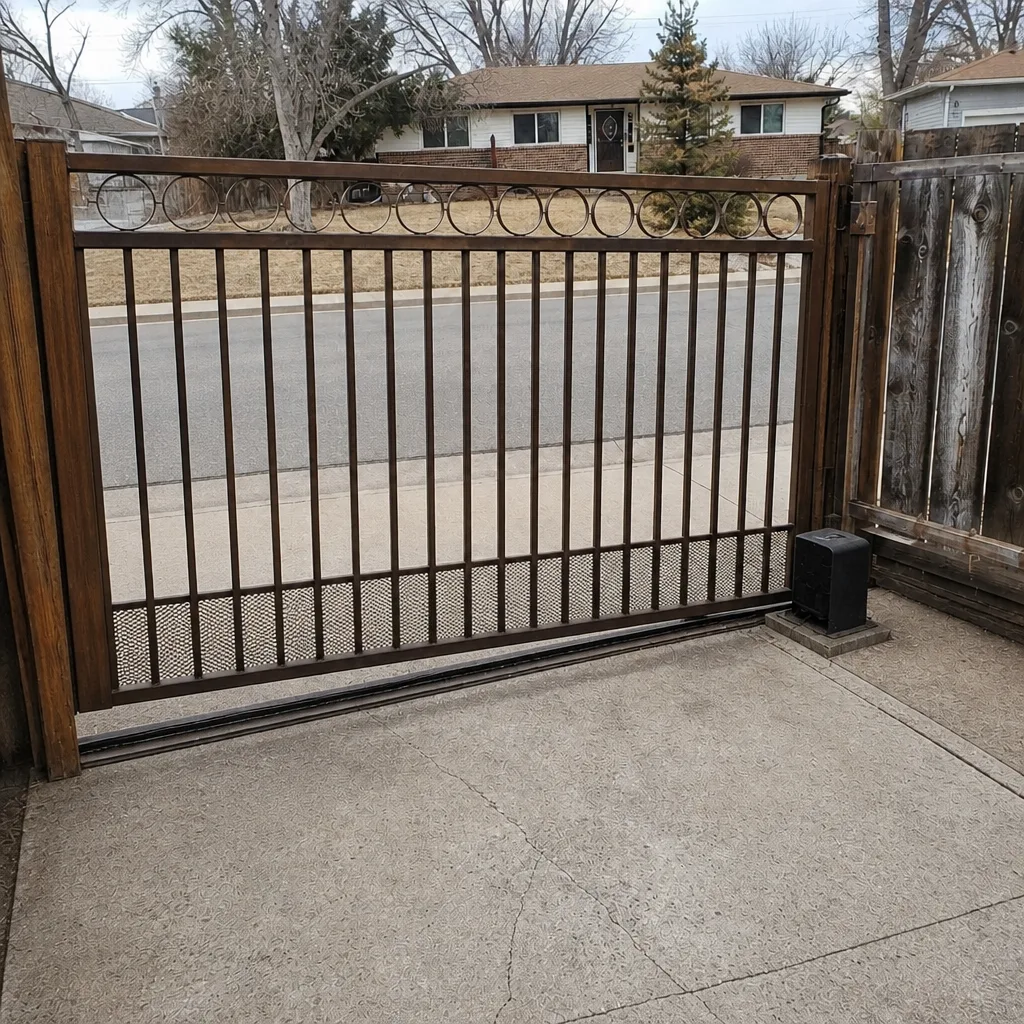
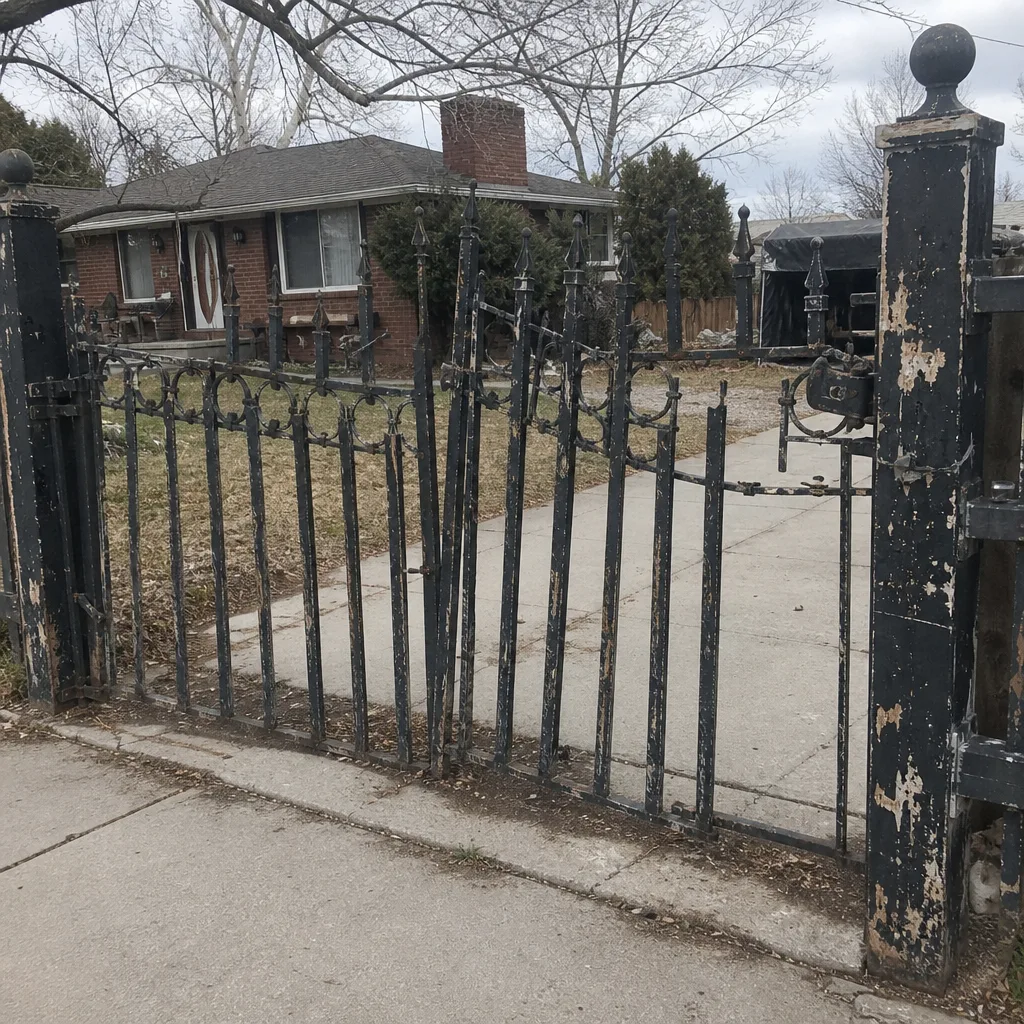
See the difference
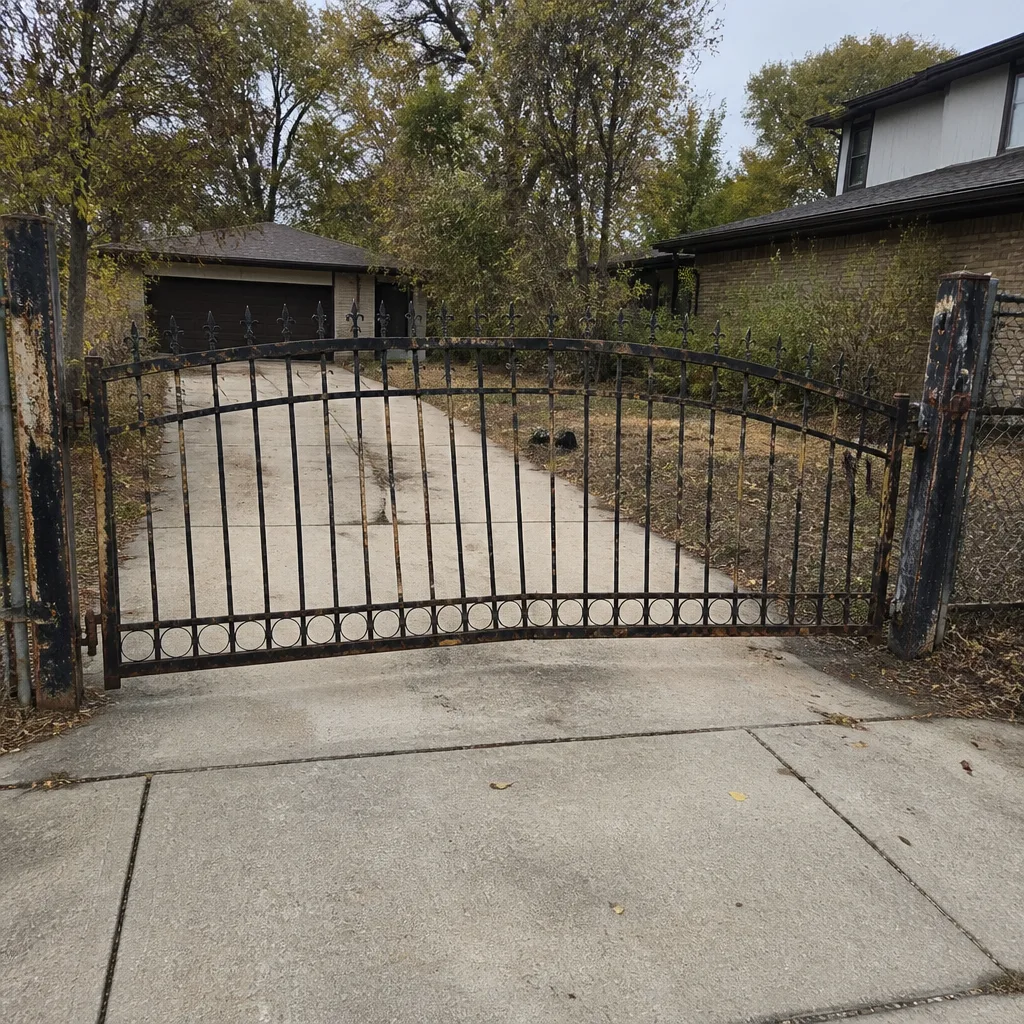 Before
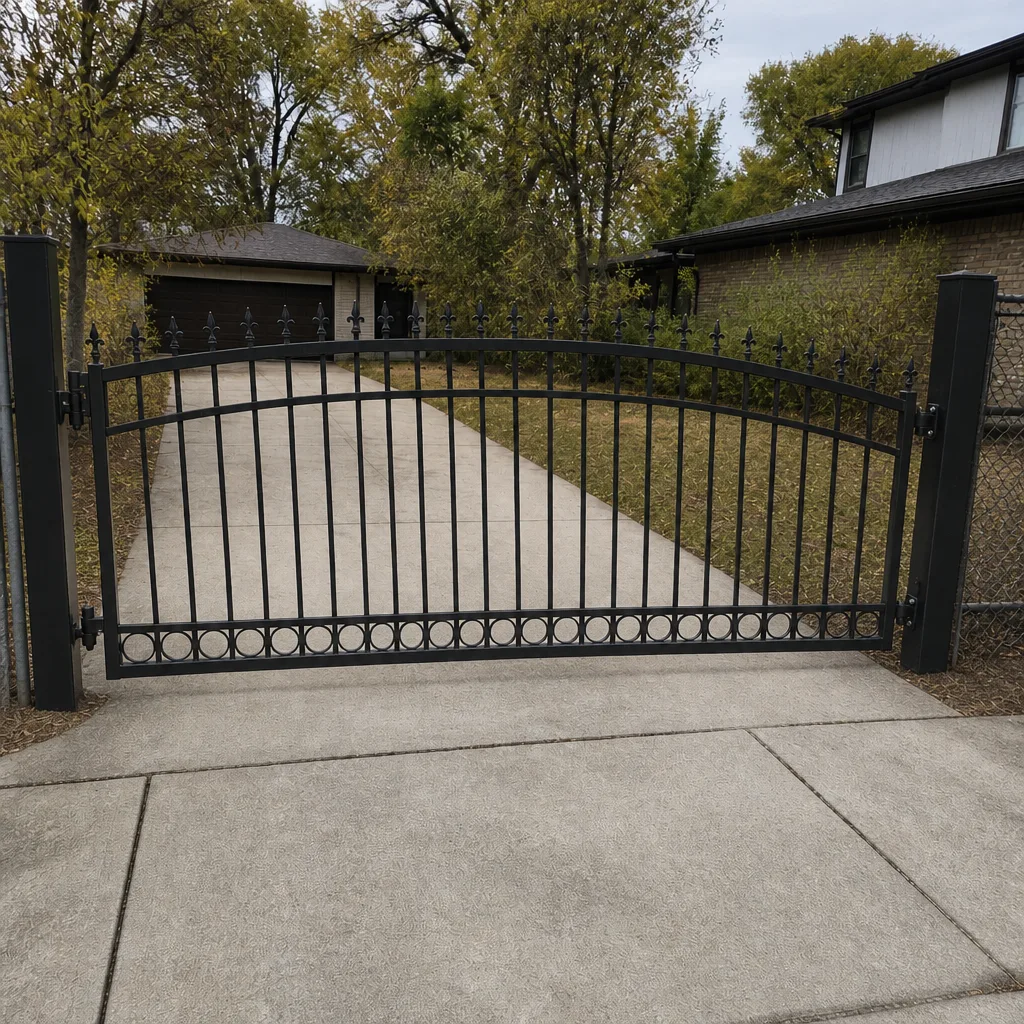 After
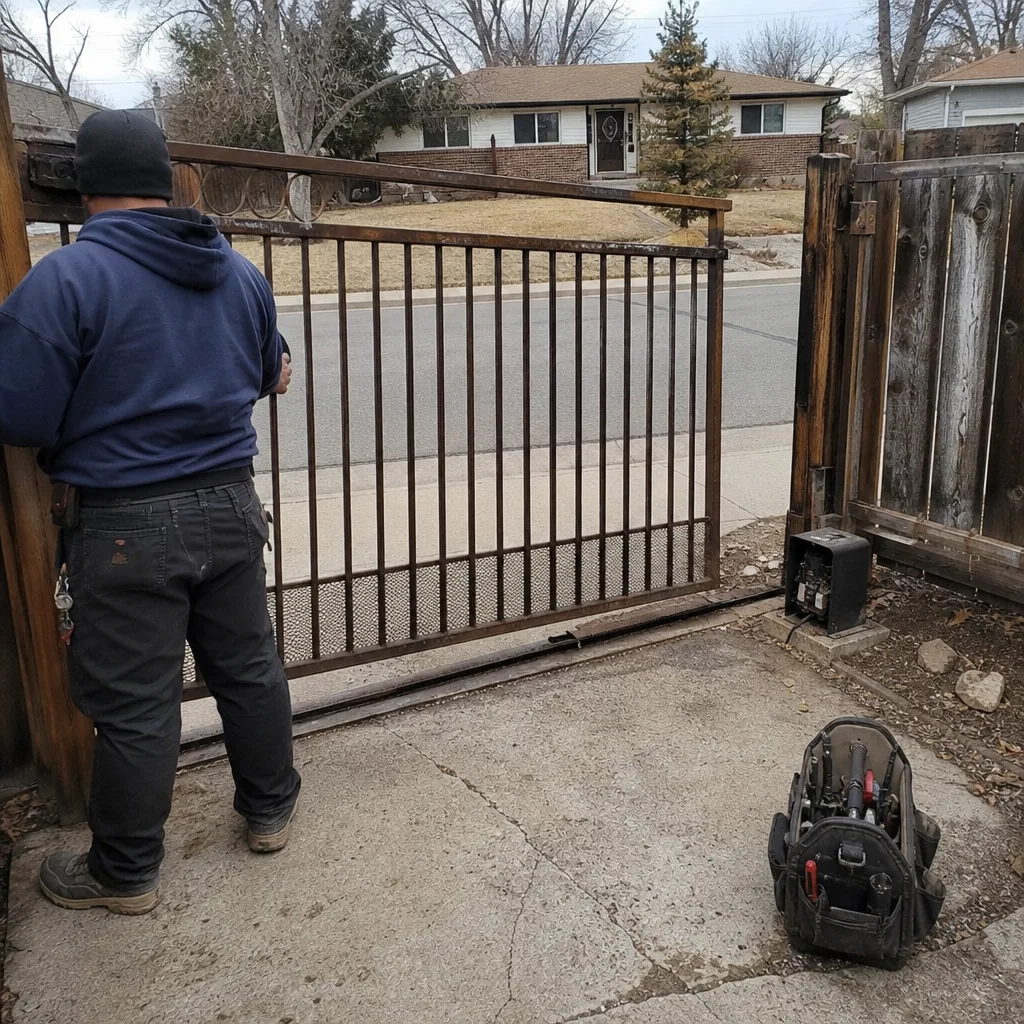 Before
 After
 Before
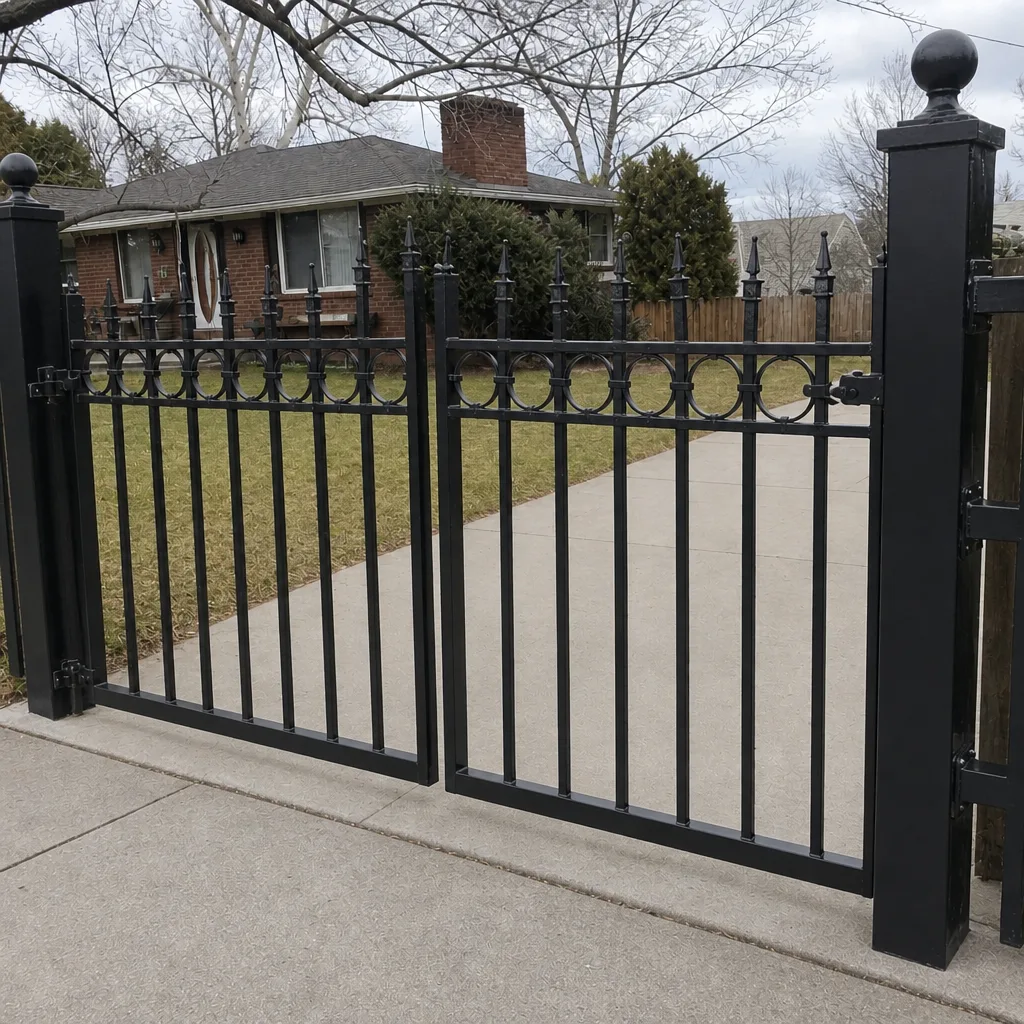 After
Common Mistakes to Avoid
- Accepting the first verbal number. A verbal quote and a written estimate are different commitments. Get the number in writing, itemized, before a technician starts.
- Skipping the brand question. If a contractor can’t tell you whether they’ve worked on your operator before, you’re likely paying for a first-time learning curve.
- Ignoring the gate behind the operator. A dragging or misaligned gate can cause an operator to fail repeatedly. Fix the gate, not just the motor.
- Letting a quote omit the power run. On a new automated gate, that omission is often the single biggest surprise on the final invoice. Ask about it before the work begins.
- Buying the cheapest part. On gates that cycle many times a day, a low-grade part wears out faster and costs more over time than a properly rated component.
- Waiting until total failure. A gate that’s sticking or slow is telling you something. Diagnosing it early usually costs less than replacing a gate component that’s already been damaged by a failing operator.
When to Call a Professional
Some gate problems are genuinely dangerous. Electric gate operators carry high-voltage wiring, the safety sensors and edges are what protect people from being crushed by a moving gate, and heavy gate panels can swing or slide with a lot of force if they come loose from their track. If your gate has hit something, come off track, or if the operator is behaving unpredictably, stop using it and call a trained technician. Don’t attempt to bypass a safety edge or disconnect the sensors to “make it work” – those devices exist for a reason.
Call when the gate won’t open or close, when it stops and reverses, when a hinge or post has shifted, when the operator clicks but doesn’t move, or when the safety device has failed. If your gate is electric and the issue is control board, sensor, or motor related, that’s a specialist’s call. Gate Repair Centennial offers free estimates in Centennial, and we work on both manual and automated systems. Call (866) 361-9624. We answer 24/7. Fast dispatch from 7am to 7pm, Sunday through Friday. Saturday is closed.
Frequently Asked Questions
Gate repair in Centennial typically runs $150 to $650 for mechanical fixes and $250 to $1,200 for electric operator repairs, depending on the component and brand. The written estimate sets the final price and should break out parts and labor. Call (866) 361-9624 for an exact quote. Estimates are free.
Often, yes, for repair jobs. We answer 24/7, with fast dispatch from 7am to 7pm, Sunday through Friday. Same-day service depends on the schedule and whether parts are on hand. For installation or operator replacement, the visit is scheduled and quoted in writing first. Call (866) 361-9624 to check availability.
A full gate installation includes the gate structure, posts and footings, the operator and automation if applicable, the safety sensors and edges, and the electrical connection to the operator. Disposal of removed hardware and permit responsibility should be itemized. The written estimate is what sets the final price, and we work with you to confirm the scope before ordering. Call (866) 361-9624 for a free on-site estimate.
Yes. For automated gates, we handle the operator, control board, and sensor work as part of the job, and we discuss the power connection and the scope of the electrical work in the written estimate. Safety edges and photo-eyes aren’t an add-on, they’re part of what makes a power gate safe. We’ll explain exactly what’s included before work begins. Call (866) 361-9624 for a free estimate.
Because the gap is usually labor rate, parts markup, and brand familiarity rather than the hardware itself. A specialist who knows your operator is faster and orders the right part the first time, while a general contractor may burn hours diagnosing. The best move is to compare itemized written estimates, not verbal totals. We provide itemized quotes with brand and model on each part. Call (866) 361-9624 for a free estimate.
Repair usually wins when one clear part failed on an otherwise sound operator, and replacement wins when the operator is old, the part is discontinued, or the system has failed repeatedly. If a repair would cost 40 to 50 percent of a full replacement, replacement is usually the better investment. We’ll tell you which one makes sense after diagnosis. Call (866) 361-9624 for a free estimate.
The Bottom Line
Gate repair costs in Centennial in 2026 land in a predictable range when you know what the job contains. Mechanical repairs typically run $150 to $650, electric operator repairs $250 to $1,200, and a full operator replacement $380 to $950, with new installations higher. The real difference between a fair quote and an inflated one is labor transparency, parts markup, and whether the technician knows your brand. Get everything itemized in writing, confirm whether the power run is included on any automated gate, and watch for the hidden categories: disposal, permits, digging, and wiring. If you’re facing a gate that’s failing or a quote you’re not sure about, call Gate Repair Centennial at (866) 361-9624 for a free estimate. We answer 24/7. Fast dispatch from 7am to 7pm, Sunday through Friday. Saturday is closed.
Written by the team at Gate Repair Centennial, serving Centennial since 2014.